Currencies36641
Market Cap$ 2.95T-5.08%
24h Spot Volume$ 73.84B+39.7%
DominanceBTC56.99%-0.60%ETH11.45%-2.02%
ETH Gas0.20 Gwei
/

South Korean Officials Crypto Holdings: Shocking 25% Investment Rate Reveals Digital Asset Mainstreaming


by Sofiya
for Bitcoin World

Share:

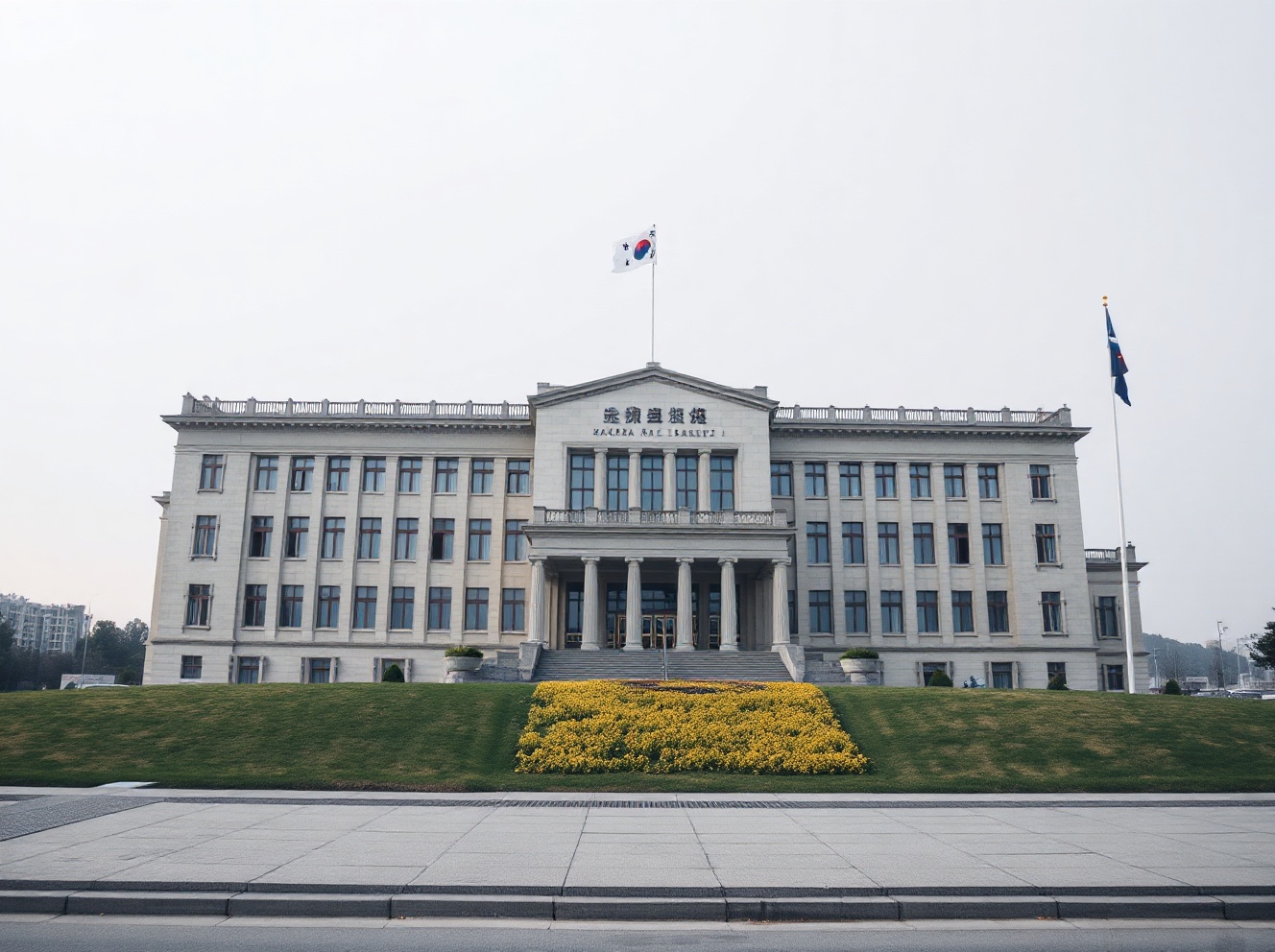
South Korean officials crypto holdings transparency in government financial disclosures

BitcoinWorld

South Korean Officials Crypto Holdings: Shocking 25% Investment Rate Reveals Digital Asset Mainstreaming

SEOUL, South Korea – November 2025: A groundbreaking property disclosure report reveals that one in four senior public officials in the Lee Jae-myung administration holds cryptocurrency investments, marking a significant moment for digital asset adoption within government circles. This unprecedented transparency initiative, reported by Money Today, provides the first comprehensive look at virtual asset ownership among South Korea’s political leadership. The disclosure follows recent regulatory changes mandating greater financial transparency for public officials. Consequently, this data offers valuable insights into how digital assets permeate even the highest levels of government. The findings have already sparked important conversations about ethics, regulation, and financial modernization.

South Korean Officials Crypto Holdings: The Data Breakdown

The Ministry of Personnel Management released detailed statistics showing 25% of senior officials reported cryptocurrency investments. This percentage represents a substantial portion of the administration’s leadership. Ministry head Choi Dong-seok disclosed the largest portfolio at 2.6 billion won (approximately $1.9 million). His holdings included more than 11 Bitcoin, 5,000 XRP, and nine other cryptocurrencies like Solana and Ethereum. Choi clarified that he sold his tradable assets after taking office, retaining only non-tradable assets. Meanwhile, former presidential secretary Kim Nam-kuk reported the second-largest holdings. His portfolio contained dozens of altcoins valued at 1.217 billion won (around $882,000).

This disclosure represents South Korea’s first major property report under new transparency rules. The government implemented these regulations to increase public trust. Officials must now declare all virtual assets alongside traditional holdings. Previously, such disclosures focused primarily on real estate and stocks. The inclusion of cryptocurrencies reflects their growing importance in national finance. South Korea ranks among the world’s most active cryptocurrency markets. Therefore, government participation mirrors broader societal trends. The data provides concrete evidence of digital asset integration into mainstream investment strategies.

Government Crypto Investment Trends and Patterns

Analysis reveals several important patterns in official cryptocurrency holdings. First, diversification appears common among investing officials. Portfolios typically include multiple cryptocurrency types. Major assets like Bitcoin and Ethereum dominate many holdings. However, officials also invest significantly in altcoins like Solana and XRP. This diversification suggests sophisticated investment strategies. Second, investment amounts vary considerably between officials. Some reports show modest holdings under 10 million won. Others, like Choi’s portfolio, reach billions of won. This variation reflects different risk tolerances and investment timelines.

Third, the timing of investments reveals important context. Many officials purchased cryptocurrencies before assuming their current positions. Some have held assets for several years. This timing suggests investments began during previous market cycles. Fourth, disclosure methods show evolving transparency standards. Officials must now provide specific cryptocurrency amounts and values. Previous systems allowed more general financial reporting. The current framework enables precise tracking of digital asset ownership. These patterns help researchers understand cryptocurrency’s role in official finances.

Comparative Analysis: South Korea vs. Global Standards

South Korea’s cryptocurrency disclosure requirements now exceed many international standards. The United States, for instance, has inconsistent crypto reporting rules for officials. Some American states mandate disclosure while others don’t. European Union countries show similar variability in reporting standards. Japan recently strengthened its cryptocurrency disclosure rules too. However, South Korea’s system appears particularly comprehensive. The country’s approach reflects its position as a cryptocurrency innovation hub. Seoul hosts numerous blockchain companies and exchanges. Government officials naturally engage with this economic sector.

Comparative data from other Asian governments shows interesting contrasts. Singapore officials face strict cryptocurrency disclosure requirements. Hong Kong has implemented similar transparency measures recently. China maintains prohibitions against cryptocurrency ownership for officials. These differing approaches reflect varied regulatory philosophies. South Korea’s system balances transparency with practical recognition of cryptocurrency’s economic role. The 25% ownership rate among officials seems high compared to some nations. However, it aligns with South Korea’s generally high cryptocurrency adoption rates. Approximately 10% of South Korean adults own digital assets according to recent surveys.

Regulatory Framework and Ethical Considerations

South Korea’s cryptocurrency disclosure system operates within specific legal parameters. The Act on the Prevention of Conflict of Interest establishes the basic framework. Recent amendments specifically address virtual asset reporting. Officials must declare holdings exceeding certain value thresholds. The system aims to prevent conflicts of interest in policy-making. Cryptocurrency regulations directly affect asset values sometimes. Officials with large holdings might face perceived or actual conflicts. The disclosure system helps manage these ethical challenges through transparency.

Ethical guidelines continue evolving alongside cryptocurrency markets. The Public Service Ethics Committee provides ongoing guidance to officials. Rules address both ownership and trading activities. Some positions face additional restrictions on cryptocurrency transactions. These measures aim to maintain public confidence in government integrity. The high ownership rate among officials presents both challenges and opportunities. On one hand, it demonstrates government engagement with innovative technologies. On the other hand, it requires robust ethical safeguards. South Korea’s approach emphasizes transparency as the primary solution.

Market Impact and Financial Implications

The disclosure of official cryptocurrency holdings affects financial markets in several ways. First, it provides validation for cryptocurrency as a legitimate asset class. Government officials traditionally favor conservative investments. Their participation signals growing mainstream acceptance. Second, the data offers insights into investment patterns among sophisticated investors. Officials often have access to financial expertise and information. Their portfolio choices might influence broader market sentiment. Third, the disclosures could affect cryptocurrency regulation development. Officials with personal experience might better understand market dynamics.

Financial analysts note several implications from the reported data. The diversity of holdings suggests officials view cryptocurrency as a long-term investment. Many portfolios include both established and emerging digital assets. This approach indicates confidence in cryptocurrency’s continued evolution. The substantial investment amounts demonstrate significant financial commitment. Some officials have allocated considerable portions of their wealth to digital assets. This allocation pattern reflects strong belief in cryptocurrency’s future value. Market observers will monitor how these holdings evolve alongside regulatory changes.

Transparency Mechanisms and Reporting Systems

South Korea’s property disclosure system for officials employs specific mechanisms for cryptocurrency reporting. The Ministry of Personnel Management oversees the entire process. Officials must submit detailed declarations annually. The system captures various types of virtual assets including:

  • Exchange-traded cryptocurrencies like Bitcoin and Ethereum
  • Altcoins and tokens on various blockchain platforms
  • Non-fungible tokens (NFTs) with significant value
  • Staked or delegated assets earning rewards
  • Cryptocurrency in decentralized finance protocols

Valuation methods follow specific guidelines to ensure consistency. Officials typically use exchange prices at reporting dates. The system requires documentation of wallet addresses sometimes. This verification helps prevent underreporting of holdings. The process represents a significant administrative advancement. Previous systems struggled to track digital assets effectively. Current methods leverage blockchain transparency while protecting privacy appropriately. The system continues evolving alongside technological developments.

Public Response and Political Implications

Public reaction to the cryptocurrency disclosures has been generally positive. Transparency advocates praise the increased visibility into official finances. Many citizens appreciate knowing about officials’ cryptocurrency engagements. Some concerns have emerged about potential conflicts of interest. Opposition politicians have questioned certain large holdings. However, most responses acknowledge the disclosure system’s value. The data enables better public oversight of government officials. Citizens can now assess whether holdings influence policy decisions.

Political implications extend beyond immediate reactions. The disclosure system might influence future election campaigns. Candidates might highlight or downplay their cryptocurrency investments. Voters could consider digital asset positions when evaluating candidates. The data also informs legislative discussions about cryptocurrency regulation. Officials with personal experience might contribute differently to debates. Their insights could improve regulatory frameworks through practical knowledge. The transparency initiative represents a significant step in government modernization. It acknowledges cryptocurrency’s growing role in national economics.

Conclusion

The revelation that 25% of senior South Korean officials hold cryptocurrency investments marks a pivotal moment for digital asset transparency. This unprecedented disclosure provides valuable insights into government engagement with emerging technologies. The data demonstrates cryptocurrency’s mainstream acceptance within influential circles. South Korea’s comprehensive reporting system sets important precedents for official transparency. These South Korean officials crypto holdings reports will likely influence global standards for government financial disclosures. The information enables better public understanding of digital asset integration into national economics. Future developments will show how transparency affects both policy-making and market evolution.

FAQs

Q1: What percentage of South Korean officials reported cryptocurrency holdings?
Exactly 25% of senior public officials in the Lee Jae-myung administration disclosed cryptocurrency investments according to the first property disclosure report.

Q2: Which official reported the largest cryptocurrency portfolio?
Choi Dong-seok, head of the Ministry of Personnel Management, declared the largest holdings at 2.6 billion won (approximately $1.9 million), including Bitcoin, XRP, Solana, and Ethereum.

Q3: When did South Korea implement cryptocurrency disclosure rules for officials?
The government implemented enhanced disclosure requirements as part of recent transparency initiatives, with the first comprehensive reports appearing in 2025 under the Lee Jae-myung administration.

Q4: How do South Korea’s disclosure rules compare internationally?
South Korea’s cryptocurrency disclosure requirements for officials are among the world’s most comprehensive, exceeding standards in many other developed nations including the United States and European Union countries.

Q5: What types of cryptocurrencies do officials typically hold?
Portfolios commonly include major assets like Bitcoin and Ethereum alongside altcoins such as Solana and XRP, with many officials holding multiple cryptocurrency types for diversification.

This post South Korean Officials Crypto Holdings: Shocking 25% Investment Rate Reveals Digital Asset Mainstreaming first appeared on BitcoinWorld.

Read the article at Bitcoin World

In This News

Coins

$ 83.96K

-6.05%

$ 2.79K

-7.25%

$ 1.79

-6.73%

$ 116.72

-7.43%

Share:

In This News

Coins

$ 83.96K

-6.05%

$ 2.79K

-7.25%

$ 1.79

-6.73%

$ 116.72

-7.43%

Share:

Read More

Upbit FLOW Withdrawal Suspension: Essential Update on Flow’s Crucial Network Upgrade

Upbit FLOW Withdrawal Suspension: Essential Update on Flow’s Crucial Network Upgrade

BitcoinWorld Upbit FLOW Withdrawal Suspension: Essential Update on Flow’s Crucial Ne...
Bithumb’s Crucial Maintenance: Temporary Suspension of IP and ARIAIP Services Sparks Network Upgrade

Bithumb’s Crucial Maintenance: Temporary Suspension of IP and ARIAIP Services Sparks Network Upgrade

BitcoinWorld Bithumb’s Crucial Maintenance: Temporary Suspension of IP and ARIAIP Se...

South Korean Officials Crypto Holdings: Shocking 25% Investment Rate Reveals Digital Asset Mainstreaming


by Sofiya
for Bitcoin World

Share:

South Korean officials crypto holdings transparency in government financial disclosures

BitcoinWorld

South Korean Officials Crypto Holdings: Shocking 25% Investment Rate Reveals Digital Asset Mainstreaming

SEOUL, South Korea – November 2025: A groundbreaking property disclosure report reveals that one in four senior public officials in the Lee Jae-myung administration holds cryptocurrency investments, marking a significant moment for digital asset adoption within government circles. This unprecedented transparency initiative, reported by Money Today, provides the first comprehensive look at virtual asset ownership among South Korea’s political leadership. The disclosure follows recent regulatory changes mandating greater financial transparency for public officials. Consequently, this data offers valuable insights into how digital assets permeate even the highest levels of government. The findings have already sparked important conversations about ethics, regulation, and financial modernization.

South Korean Officials Crypto Holdings: The Data Breakdown

The Ministry of Personnel Management released detailed statistics showing 25% of senior officials reported cryptocurrency investments. This percentage represents a substantial portion of the administration’s leadership. Ministry head Choi Dong-seok disclosed the largest portfolio at 2.6 billion won (approximately $1.9 million). His holdings included more than 11 Bitcoin, 5,000 XRP, and nine other cryptocurrencies like Solana and Ethereum. Choi clarified that he sold his tradable assets after taking office, retaining only non-tradable assets. Meanwhile, former presidential secretary Kim Nam-kuk reported the second-largest holdings. His portfolio contained dozens of altcoins valued at 1.217 billion won (around $882,000).

This disclosure represents South Korea’s first major property report under new transparency rules. The government implemented these regulations to increase public trust. Officials must now declare all virtual assets alongside traditional holdings. Previously, such disclosures focused primarily on real estate and stocks. The inclusion of cryptocurrencies reflects their growing importance in national finance. South Korea ranks among the world’s most active cryptocurrency markets. Therefore, government participation mirrors broader societal trends. The data provides concrete evidence of digital asset integration into mainstream investment strategies.

Government Crypto Investment Trends and Patterns

Analysis reveals several important patterns in official cryptocurrency holdings. First, diversification appears common among investing officials. Portfolios typically include multiple cryptocurrency types. Major assets like Bitcoin and Ethereum dominate many holdings. However, officials also invest significantly in altcoins like Solana and XRP. This diversification suggests sophisticated investment strategies. Second, investment amounts vary considerably between officials. Some reports show modest holdings under 10 million won. Others, like Choi’s portfolio, reach billions of won. This variation reflects different risk tolerances and investment timelines.

Third, the timing of investments reveals important context. Many officials purchased cryptocurrencies before assuming their current positions. Some have held assets for several years. This timing suggests investments began during previous market cycles. Fourth, disclosure methods show evolving transparency standards. Officials must now provide specific cryptocurrency amounts and values. Previous systems allowed more general financial reporting. The current framework enables precise tracking of digital asset ownership. These patterns help researchers understand cryptocurrency’s role in official finances.

Comparative Analysis: South Korea vs. Global Standards

South Korea’s cryptocurrency disclosure requirements now exceed many international standards. The United States, for instance, has inconsistent crypto reporting rules for officials. Some American states mandate disclosure while others don’t. European Union countries show similar variability in reporting standards. Japan recently strengthened its cryptocurrency disclosure rules too. However, South Korea’s system appears particularly comprehensive. The country’s approach reflects its position as a cryptocurrency innovation hub. Seoul hosts numerous blockchain companies and exchanges. Government officials naturally engage with this economic sector.

Comparative data from other Asian governments shows interesting contrasts. Singapore officials face strict cryptocurrency disclosure requirements. Hong Kong has implemented similar transparency measures recently. China maintains prohibitions against cryptocurrency ownership for officials. These differing approaches reflect varied regulatory philosophies. South Korea’s system balances transparency with practical recognition of cryptocurrency’s economic role. The 25% ownership rate among officials seems high compared to some nations. However, it aligns with South Korea’s generally high cryptocurrency adoption rates. Approximately 10% of South Korean adults own digital assets according to recent surveys.

Regulatory Framework and Ethical Considerations

South Korea’s cryptocurrency disclosure system operates within specific legal parameters. The Act on the Prevention of Conflict of Interest establishes the basic framework. Recent amendments specifically address virtual asset reporting. Officials must declare holdings exceeding certain value thresholds. The system aims to prevent conflicts of interest in policy-making. Cryptocurrency regulations directly affect asset values sometimes. Officials with large holdings might face perceived or actual conflicts. The disclosure system helps manage these ethical challenges through transparency.

Ethical guidelines continue evolving alongside cryptocurrency markets. The Public Service Ethics Committee provides ongoing guidance to officials. Rules address both ownership and trading activities. Some positions face additional restrictions on cryptocurrency transactions. These measures aim to maintain public confidence in government integrity. The high ownership rate among officials presents both challenges and opportunities. On one hand, it demonstrates government engagement with innovative technologies. On the other hand, it requires robust ethical safeguards. South Korea’s approach emphasizes transparency as the primary solution.

Market Impact and Financial Implications

The disclosure of official cryptocurrency holdings affects financial markets in several ways. First, it provides validation for cryptocurrency as a legitimate asset class. Government officials traditionally favor conservative investments. Their participation signals growing mainstream acceptance. Second, the data offers insights into investment patterns among sophisticated investors. Officials often have access to financial expertise and information. Their portfolio choices might influence broader market sentiment. Third, the disclosures could affect cryptocurrency regulation development. Officials with personal experience might better understand market dynamics.

Financial analysts note several implications from the reported data. The diversity of holdings suggests officials view cryptocurrency as a long-term investment. Many portfolios include both established and emerging digital assets. This approach indicates confidence in cryptocurrency’s continued evolution. The substantial investment amounts demonstrate significant financial commitment. Some officials have allocated considerable portions of their wealth to digital assets. This allocation pattern reflects strong belief in cryptocurrency’s future value. Market observers will monitor how these holdings evolve alongside regulatory changes.

Transparency Mechanisms and Reporting Systems

South Korea’s property disclosure system for officials employs specific mechanisms for cryptocurrency reporting. The Ministry of Personnel Management oversees the entire process. Officials must submit detailed declarations annually. The system captures various types of virtual assets including:

  • Exchange-traded cryptocurrencies like Bitcoin and Ethereum
  • Altcoins and tokens on various blockchain platforms
  • Non-fungible tokens (NFTs) with significant value
  • Staked or delegated assets earning rewards
  • Cryptocurrency in decentralized finance protocols

Valuation methods follow specific guidelines to ensure consistency. Officials typically use exchange prices at reporting dates. The system requires documentation of wallet addresses sometimes. This verification helps prevent underreporting of holdings. The process represents a significant administrative advancement. Previous systems struggled to track digital assets effectively. Current methods leverage blockchain transparency while protecting privacy appropriately. The system continues evolving alongside technological developments.

Public Response and Political Implications

Public reaction to the cryptocurrency disclosures has been generally positive. Transparency advocates praise the increased visibility into official finances. Many citizens appreciate knowing about officials’ cryptocurrency engagements. Some concerns have emerged about potential conflicts of interest. Opposition politicians have questioned certain large holdings. However, most responses acknowledge the disclosure system’s value. The data enables better public oversight of government officials. Citizens can now assess whether holdings influence policy decisions.

Political implications extend beyond immediate reactions. The disclosure system might influence future election campaigns. Candidates might highlight or downplay their cryptocurrency investments. Voters could consider digital asset positions when evaluating candidates. The data also informs legislative discussions about cryptocurrency regulation. Officials with personal experience might contribute differently to debates. Their insights could improve regulatory frameworks through practical knowledge. The transparency initiative represents a significant step in government modernization. It acknowledges cryptocurrency’s growing role in national economics.

Conclusion

The revelation that 25% of senior South Korean officials hold cryptocurrency investments marks a pivotal moment for digital asset transparency. This unprecedented disclosure provides valuable insights into government engagement with emerging technologies. The data demonstrates cryptocurrency’s mainstream acceptance within influential circles. South Korea’s comprehensive reporting system sets important precedents for official transparency. These South Korean officials crypto holdings reports will likely influence global standards for government financial disclosures. The information enables better public understanding of digital asset integration into national economics. Future developments will show how transparency affects both policy-making and market evolution.

FAQs

Q1: What percentage of South Korean officials reported cryptocurrency holdings?
Exactly 25% of senior public officials in the Lee Jae-myung administration disclosed cryptocurrency investments according to the first property disclosure report.

Q2: Which official reported the largest cryptocurrency portfolio?
Choi Dong-seok, head of the Ministry of Personnel Management, declared the largest holdings at 2.6 billion won (approximately $1.9 million), including Bitcoin, XRP, Solana, and Ethereum.

Q3: When did South Korea implement cryptocurrency disclosure rules for officials?
The government implemented enhanced disclosure requirements as part of recent transparency initiatives, with the first comprehensive reports appearing in 2025 under the Lee Jae-myung administration.

Q4: How do South Korea’s disclosure rules compare internationally?
South Korea’s cryptocurrency disclosure requirements for officials are among the world’s most comprehensive, exceeding standards in many other developed nations including the United States and European Union countries.

Q5: What types of cryptocurrencies do officials typically hold?
Portfolios commonly include major assets like Bitcoin and Ethereum alongside altcoins such as Solana and XRP, with many officials holding multiple cryptocurrency types for diversification.

This post South Korean Officials Crypto Holdings: Shocking 25% Investment Rate Reveals Digital Asset Mainstreaming first appeared on BitcoinWorld.

Read the article at Bitcoin World

In This News

Coins

$ 83.96K

-6.05%

$ 2.79K

-7.25%

$ 1.79

-6.73%

$ 116.72

-7.43%

Share:

In This News

Coins

$ 83.96K

-6.05%

$ 2.79K

-7.25%

$ 1.79

-6.73%

$ 116.72

-7.43%

Share:

Read More

Upbit FLOW Withdrawal Suspension: Essential Update on Flow’s Crucial Network Upgrade

Upbit FLOW Withdrawal Suspension: Essential Update on Flow’s Crucial Network Upgrade

BitcoinWorld Upbit FLOW Withdrawal Suspension: Essential Update on Flow’s Crucial Ne...
Bithumb’s Crucial Maintenance: Temporary Suspension of IP and ARIAIP Services Sparks Network Upgrade

Bithumb’s Crucial Maintenance: Temporary Suspension of IP and ARIAIP Services Sparks Network Upgrade

BitcoinWorld Bithumb’s Crucial Maintenance: Temporary Suspension of IP and ARIAIP Se...