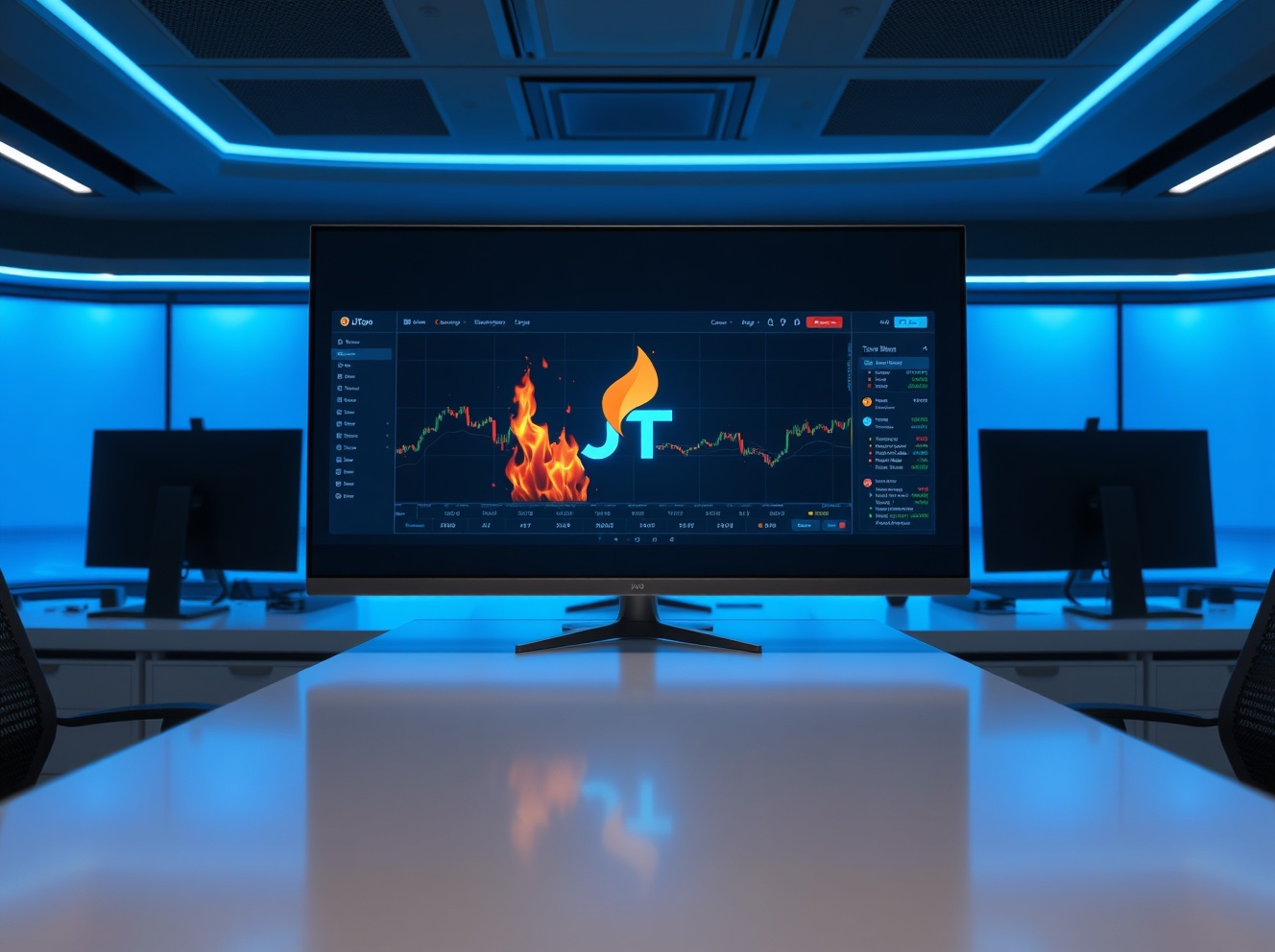
Jito to Redirect All JTX Platform Fees to JTO Buybacks and Burns for One Year
Share:
Predictions Markets
See what traders are focused on

BitcoinWorld
Jito to Redirect All JTX Platform Fees to JTO Buybacks and Burns for One Year
Jito (JTO) has announced a significant tokenomics update that will see 100% of the fees generated from its upcoming trading platform, JTX, redirected toward JTO buybacks and burns over the next twelve months. The move, revealed by the Jito team, is designed to align platform revenue directly with tokenholder value and reduce the circulating supply of JTO.
How the JTX Fee Mechanism Will Work
The JTX platform, still in development, is expected to serve as a decentralized trading venue within the Solana ecosystem, leveraging Jito’s existing infrastructure for liquid staking and MEV (maximal extractable value) management. Under the new plan, all transaction fees, trading fees, and any other revenue generated by JTX will be collected and used exclusively to purchase JTO tokens on the open market. Those tokens will then be permanently removed from circulation through a burn mechanism.
This approach is similar to buyback-and-burn models used by other crypto projects, but Jito’s commitment to allocate 100% of platform fees — rather than a fixed percentage — represents a particularly aggressive token value strategy. The initiative is set to last for one year, after which the Jito DAO may vote on whether to extend, modify, or discontinue the program.
Implications for JTO Holders and the Solana Ecosystem
For current JTO holders, the announcement signals a direct link between platform adoption and token value. If JTX gains traction and generates meaningful fee volume, the buyback pressure could significantly reduce the available supply of JTO over time. This could create upward price pressure independent of broader market conditions, assuming demand for the token remains stable or grows.
From a broader perspective, the move reinforces a trend among Solana-based projects to experiment with tokenomics that reward long-term holders. Jito’s existing products — including its liquid staking token (JitoSOL) and its MEV-related services — already generate substantial activity on Solana. The addition of a trading platform could further entrench Jito as a multi-product financial hub within the network.
What This Means for the DeFi Landscape
The decision also highlights a growing emphasis on sustainable token economics in decentralized finance. Projects that can demonstrate a clear use case for their tokens, combined with mechanisms that reduce supply or distribute value, are increasingly favored by discerning investors. Jito’s approach could serve as a case study for other protocols considering similar buyback-and-burn frameworks.
However, the success of the plan depends heavily on JTX’s actual usage. If the platform fails to attract sufficient trading volume, the buyback amounts may be negligible. The Jito team has not yet released a specific launch date for JTX, but the announcement suggests development is well underway.
Conclusion
Jito’s decision to channel all JTX fees into JTO buybacks and burns represents a bold bet on platform growth and tokenholder alignment. While the one-year commitment provides clarity, the ultimate impact on JTO’s value will depend on real-world adoption of the upcoming trading platform. For now, the market will watch closely for JTX’s launch and the initial fee volumes it generates.
FAQs
Q1: What is JTX?
JTX is an upcoming trading platform being developed by Jito, designed to operate within the Solana ecosystem. Specific features and launch dates have not yet been announced.
Q2: How will the buyback and burn work?
All fees generated by JTX — including trading and transaction fees — will be used to purchase JTO tokens on the open market. Those tokens will then be permanently burned, reducing the total supply.
Q3: Is the buyback program permanent?
No. The program is set for a one-year period. After that, the Jito DAO will vote on whether to continue, modify, or end the initiative.
This post Jito to Redirect All JTX Platform Fees to JTO Buybacks and Burns for One Year first appeared on BitcoinWorld.


Read More
Morgan Stanley leads Solana ETF $9 million inflows as SOL jumps rises above $100