
Currencies36599
Market Cap$ 3.13T+1.23%
24h Spot Volume$ 54.59B+3.33%
DominanceBTC56.77%-0.88%ETH11.55%+0.62%
ETH Gas0.04 Gwei
/

Japan Eyes Spot Crypto ETFs by 2028: Nikkei Report

by Tatevik Avetisyan
for Coinpaper
 Japan Eyes Spot Crypto ETFs by 2028: Nikkei Report

Share:

AI Overview

Japan's Financial Services Agency plans to allow spot cryptocurrency ETFs by 2028, enabling institutions to launch regulated crypto products on the Tokyo Stock Exchange. The move reflects a shift toward modernizing crypto regulations and potentially introduces a flat 20% tax on crypto profits, aimed at encouraging investment. This aligns Japan with global markets, enhancing investor safety and market stability.

Bullish

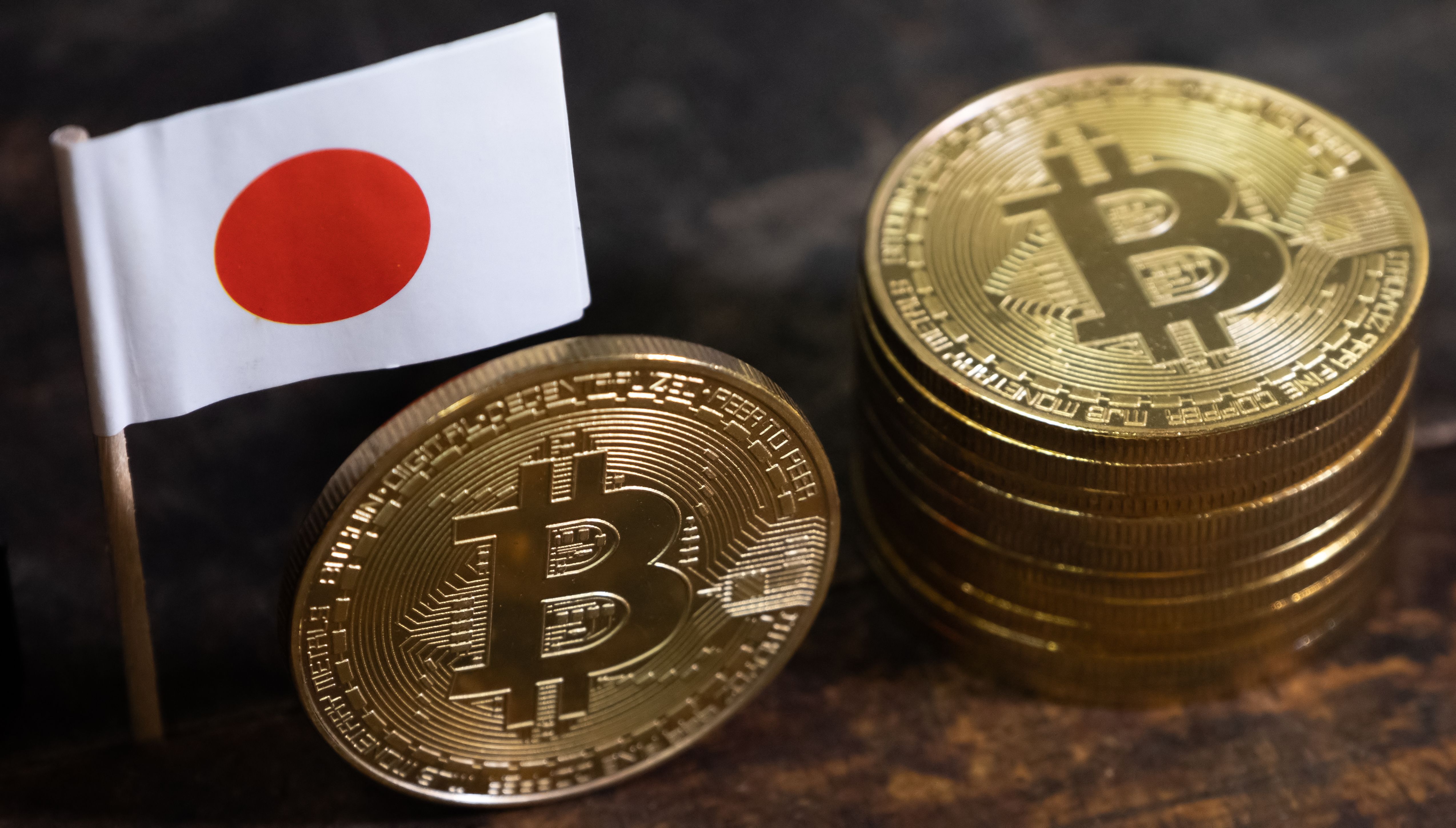
Japan’s financial regulators are planning to permit spot cryptocurrency exchange-traded funds (ETFs) as early as 2028, marking a major regulatory shift for digital assets in the country. The Financial Services Agency (FSA) aims to amend existing law so that Bitcoin, Ethereum and similar assets qualify as eligible assets for ETFs under Japan’s investment regulations, rather than being limited by the current framework.

This change would let major institutions and investment firms launch regulated crypto ETF products that retail and institutional investors can buy on the Tokyo Stock Exchange. Key financial players such as SBI Holdings and Nomura Holdings have already begun preparing products ahead of the expected approval.

The FSA’s plan stems from broader regulatory modernization. Japan has been restructuring its crypto rules for several years, moving oversight from the Payment Services Act to the Financial Instruments and Exchange Act (FIEA). This transition will bring digital asset investment products closer to traditional securities, with clearer obligations for disclosures, custody and investor protections.

Regulatory Shift and Market Impact

Allowing spot crypto ETFs would align Japan with global markets where similar products already exist, including the United States and Canada. Japan’s timeline is slower by design, reflecting a cautious approach that emphasizes investor safety and market stability.

Alongside ETF approval, Japan is considering broader fiscal changes. Reports indicate moves toward a flat 20% tax rate on crypto profits — down from a top rate of 55% — to harmonize digital assets with equities and encourage investment. This tax reform could coincide with ETF availability, making crypto exposure more efficient for investors.

Japan also has one of the world’s largest active crypto investor bases, with more than 13 million accounts nationwide. That growing participation has pressured regulators to modernize laws and protect residents from fraud while supporting innovation.

Historical Context and Future Outlook

Japan was among the first major economies to regulate cryptocurrencies, starting in 2017 when Bitcoin was legally recognized as a form of payment. Since then, the FSA has built a comprehensive regime covering exchanges, custody, and compliance, often tightening rules after fraud and exchange collapses.

Spot crypto ETFs would represent the next phase of this evolution, bringing digital assets into mainstream financial products. Investors could gain regulated exposure without directly holding crypto wallets, and ETFs could attract capital from both domestic and international sources once listed.

Japan’s move reflects a global trend toward regulated crypto investment products, balancing accessibility, oversight, and market growth.

Read the article at Coinpaper

In This News

Coins

$ 88.90K

+0.31%

$ 2.99K

+1.83%

Share:

In This News

Coins

$ 88.90K

+0.31%

$ 2.99K

+1.83%

Share:

Japan Eyes Spot Crypto ETFs by 2028: Nikkei Report


by Tatevik Avetisyan
for Coinpaper
 Japan Eyes Spot Crypto ETFs by 2028: Nikkei Report

Share:

AI Overview

Japan's Financial Services Agency plans to allow spot cryptocurrency ETFs by 2028, enabling institutions to launch regulated crypto products on the Tokyo Stock Exchange. The move reflects a shift toward modernizing crypto regulations and potentially introduces a flat 20% tax on crypto profits, aimed at encouraging investment. This aligns Japan with global markets, enhancing investor safety and market stability.

Bullish

Japan’s financial regulators are planning to permit spot cryptocurrency exchange-traded funds (ETFs) as early as 2028, marking a major regulatory shift for digital assets in the country. The Financial Services Agency (FSA) aims to amend existing law so that Bitcoin, Ethereum and similar assets qualify as eligible assets for ETFs under Japan’s investment regulations, rather than being limited by the current framework.

This change would let major institutions and investment firms launch regulated crypto ETF products that retail and institutional investors can buy on the Tokyo Stock Exchange. Key financial players such as SBI Holdings and Nomura Holdings have already begun preparing products ahead of the expected approval.

The FSA’s plan stems from broader regulatory modernization. Japan has been restructuring its crypto rules for several years, moving oversight from the Payment Services Act to the Financial Instruments and Exchange Act (FIEA). This transition will bring digital asset investment products closer to traditional securities, with clearer obligations for disclosures, custody and investor protections.

Regulatory Shift and Market Impact

Allowing spot crypto ETFs would align Japan with global markets where similar products already exist, including the United States and Canada. Japan’s timeline is slower by design, reflecting a cautious approach that emphasizes investor safety and market stability.

Alongside ETF approval, Japan is considering broader fiscal changes. Reports indicate moves toward a flat 20% tax rate on crypto profits — down from a top rate of 55% — to harmonize digital assets with equities and encourage investment. This tax reform could coincide with ETF availability, making crypto exposure more efficient for investors.

Japan also has one of the world’s largest active crypto investor bases, with more than 13 million accounts nationwide. That growing participation has pressured regulators to modernize laws and protect residents from fraud while supporting innovation.

Historical Context and Future Outlook

Japan was among the first major economies to regulate cryptocurrencies, starting in 2017 when Bitcoin was legally recognized as a form of payment. Since then, the FSA has built a comprehensive regime covering exchanges, custody, and compliance, often tightening rules after fraud and exchange collapses.

Spot crypto ETFs would represent the next phase of this evolution, bringing digital assets into mainstream financial products. Investors could gain regulated exposure without directly holding crypto wallets, and ETFs could attract capital from both domestic and international sources once listed.

Japan’s move reflects a global trend toward regulated crypto investment products, balancing accessibility, oversight, and market growth.

Read the article at Coinpaper

In This News

Coins

$ 88.90K

+0.31%

$ 2.99K

+1.83%

Share:

In This News

Coins

$ 88.90K

+0.31%

$ 2.99K

+1.83%

Share: