Trump Memecoin Event Sparks Controversy as US Senators Decry ‘Bait’ Tactics
Share:
US Senators Elizabeth Warren, Sherrod Brown and Jack Reed challenged organizers of the TRUMP memecoin conference scheduled for April 25, 2025, citing a scheduling conflict with the White House Correspondents’ Dinner and terms that disclose the former president may not attend — accusing promoters of using Trump’s name as “bait” to spur token purchases. TRUMP token (Solana, launched 2024) shows extreme volatility and event-driven trading: +300% surge after a primary win historically, and an ~15% price dip following the senators’ letter before partial recovery, indicating pump-and-dump risk and unusual pre-event volume patterns. Regulators (SEC, CFTC) and experts warn political celebrity-backed crypto raises centralization, regulatory uncertainty and deceptive marketing concerns; industry calls for disclosure and investor-protection rules could affect future token launches and market access.
Predictions Markets
See what traders are focused on

BitcoinWorld
Trump Memecoin Event Sparks Controversy as US Senators Decry ‘Bait’ Tactics
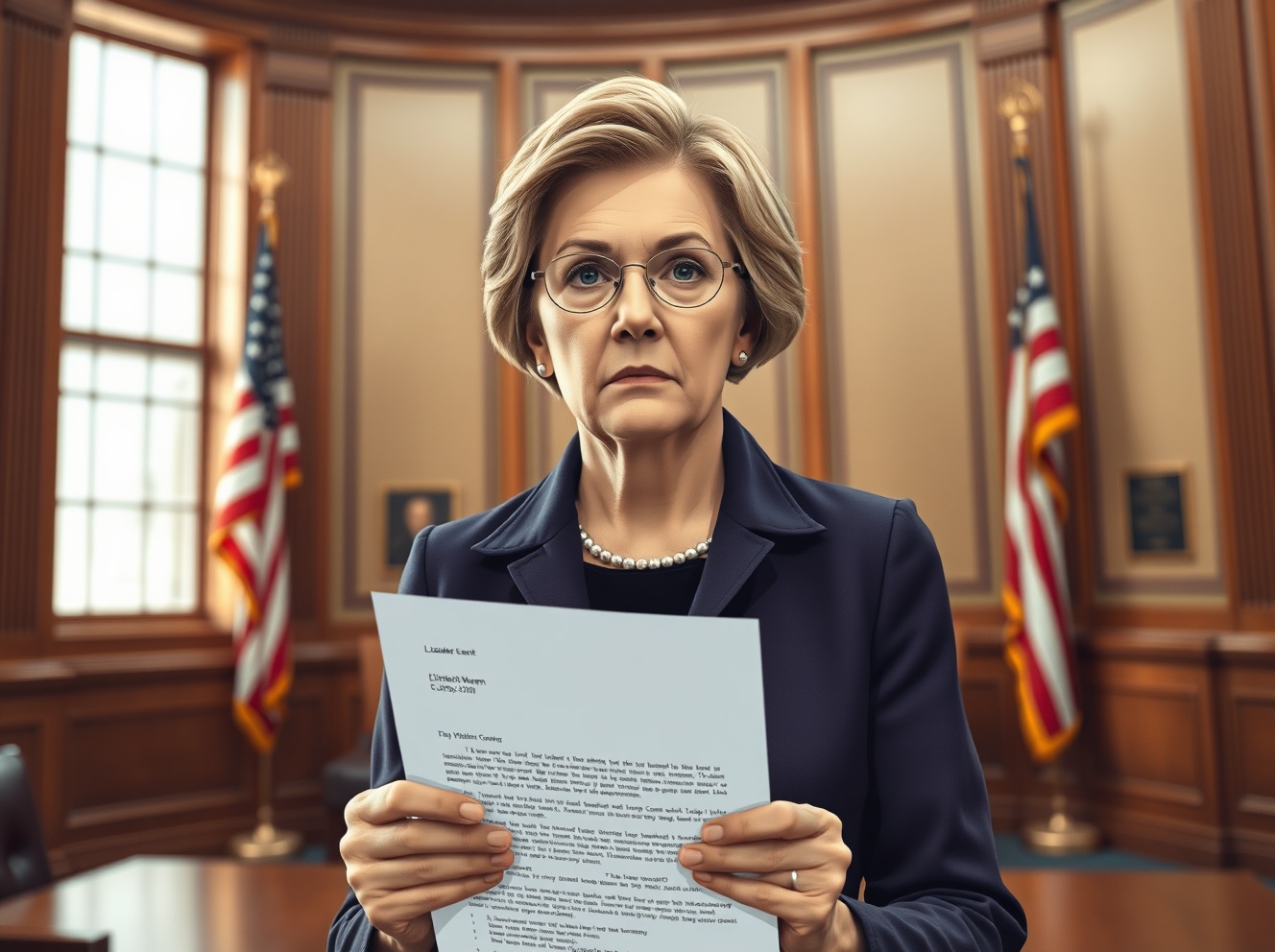
WASHINGTON, D.C. — April 2025 — A planned conference for the TRUMP memecoin faces intense scrutiny from U.S. lawmakers who allege organizers are using the potential appearance of former President Donald Trump as “bait” to promote the event and encourage cryptocurrency purchases. Consequently, three senators, including prominent crypto critic Elizabeth Warren, have formally questioned the event’s legitimacy.
Trump Memecoin Conference Faces Senate Scrutiny
According to a letter obtained by Cointelegraph, Senators Elizabeth Warren (D-Mass.), Sherrod Brown (D-Ohio), and Jack Reed (D-R.I.) directly challenged Bill Zanker, the leader behind the TRUMP memecoin launch. Specifically, they highlighted a significant scheduling conflict. The TRUMP project’s “The Golden Touch” conference is scheduled for April 25 in Washington, D.C. However, former President Trump is also slated to attend the White House Correspondents’ Association dinner on the exact same evening.
The senators’ letter argues this overlap makes Trump’s attendance at the crypto event highly improbable. They assert the organizers are leveraging his name without clear commitment. Moreover, the TRUMP project’s own terms and conditions explicitly state the former president may not attend and that the event could be canceled for any reason. This disclosure, however, appears in fine print that many potential attendees might overlook.
Regulatory Context and Political Cryptocurrency Risks
This incident does not occur in a vacuum. Instead, it unfolds against a backdrop of increasing regulatory attention on the intersection of politics and digital assets. The Securities and Exchange Commission (SEC) and the Commodity Futures Trading Commission (CFTC) have recently intensified scrutiny of celebrity-endorsed cryptocurrencies and memecoins. These agencies warn investors about potential pump-and-dump schemes and market manipulation.
Political figures launching or promoting associated tokens creates unique challenges. For instance, these assets often trade on speculation about a candidate’s influence rather than underlying utility. The following table outlines recent political-themed cryptocurrencies and their performance characteristics:
| Token Name | Associated Figure | Launch Year | Notable Volatility Event |
|---|---|---|---|
| TRUMP | Donald Trump | 2024 | +300% surge following primary win |
| KENNEDY | Robert F. Kennedy Jr. | 2024 | -40% after debate performance |
| MAGA | Various | 2020 | Extreme swings around election dates |
Experts consistently point to several red flags with politically-linked tokens:
- Centralization Risk: A single individual’s actions or statements can disproportionately impact the token’s value.
- Regulatory Uncertainty: These tokens often exist in a legal gray area between securities and commodities.
- Promotional Hype: Value is frequently driven by social media sentiment and event speculation, not technology.
Expert Analysis on Celebrity-Backed Crypto Assets
Financial regulation professors and blockchain analysts provide critical context. Dr. Angela Walch, a professor of law at St. Mary’s University, notes that using a public figure’s likeness for financial promotion triggers existing consumer protection laws. “The FTC has clear rules against deceptive advertising,” Walch explains. “Promising access or endorsement without a firm commitment could violate these standards, regardless of the asset class.”
Furthermore, blockchain analytics firms report unusual trading patterns around scheduled announcements for tokens like TRUMP. Typically, volume and price increase in the days leading up to an event, then sharply decline afterward if the promised appearance does not materialize. This pattern suggests informed traders may capitalize on retail investor excitement.
Historical Precedents and Market Impact
The controversy echoes previous incidents in the cryptocurrency space. For example, in 2023, several celebrity-promoted NFT projects faced lawsuits after failing to deliver promised benefits. Similarly, the failed Fyre Festival used influencer marketing to sell tickets to an event that never occurred as advertised. Regulatory bodies now use these cases as benchmarks for fraudulent promotion.
Market data shows the TRUMP token experienced significant volatility following the senators’ letter. Initially, the price dipped by approximately 15%. However, it partially recovered as some investors viewed the controversy as increased publicity. This reaction demonstrates the highly speculative nature of the asset. Ultimately, long-term sustainability depends on factors beyond promotional events.
Industry advocates, meanwhile, argue for clearer guidelines. The Crypto Council for Innovation has called for specific rules about political figure involvement with digital assets. They propose disclosure requirements similar to those for stock endorsements. Such rules would mandate clear statements about the level of involvement and financial interest.
Conclusion
The senators’ intervention in the Trump memecoin conference highlights growing regulatory concerns at the nexus of politics and cryptocurrency. As the April 25 date approaches, the event will test both market integrity and regulatory frameworks. This situation underscores the need for transparency and robust investor protections in an increasingly complex digital asset ecosystem. The outcome may set important precedents for how political figures and events are used to promote financial products.
FAQs
Q1: What is the TRUMP memecoin?
The TRUMP memecoin is a cryptocurrency token launched in 2024 that trades on its association with former President Donald Trump. It operates on the Solana blockchain and its value is largely driven by community sentiment and speculation about Trump’s political activities.
Q2: Why are US senators involved in a cryptocurrency event?
Senators Elizabeth Warren, Sherrod Brown, and Jack Reed are involved due to their oversight roles on banking and financial services committees. They are investigating potential deceptive promotional practices that could harm consumers, especially regarding the use of a political figure’s potential attendance as event bait.
Q3: What is the main conflict with the event scheduling?
The TRUMP memecoin conference is scheduled for April 25, 2025, the same evening as the White House Correspondents’ Association dinner, which former President Trump is confirmed to attend. The senators argue this makes his simultaneous appearance at the crypto event logistically impossible.
Q4: Have other political figures been associated with cryptocurrencies?
Yes. Several political figures, including Robert F. Kennedy Jr. and Andrew Yang, have had cryptocurrencies launched using their names or likenesses. These tokens often experience high volatility tied to political news cycles and public statements.
Q5: What should investors consider about politically-linked cryptocurrencies?
Investors should exercise extreme caution. These assets are highly speculative, often lack fundamental utility, and are susceptible to manipulation. Key considerations include regulatory risks, extreme volatility, and the potential for promoters to overstate a figure’s actual involvement or endorsement.
This post Trump Memecoin Event Sparks Controversy as US Senators Decry ‘Bait’ Tactics first appeared on BitcoinWorld.


Read More

Polymarket Traders Cut CLARITY Act Passage Odds to Record Low as Senate Ethics Deadlock Persists