KOSPI’s 41% Crash Explained: Why South Korean Stocks Fall Hardest
Share:
South Korea's KOSPI fell 41% from its June peak of about 9,385 in just 40 days due to heavy semiconductor exposure, leveraged positions and automated selling, then staged a sharp rebound led by Samsung and SK Hynix. Samsung reported about 1,810% year-over-year quarterly operating profit growth and SK Hynix 557% with an operating margin near 76%, which trimmed valuations and supported the recovery, but concentration in chipmakers and risks from weaker AI spending, memory prices and Chinese competition keep volatility high and highlight similar leverage, liquidity and security risks for crypto, DeFi, DEX and CEX markets that could influence adoption and funding.
Predictions Markets
See what traders are focused on

The KOSPI’s 41% plunge from its June peak marked one of the fastest collapses in South Korea’s stock market history. The sell-off reflected the index’s heavy exposure to semiconductors, exports and leveraged trading, but it was followed by a sharp rebound led by Samsung Electronics and SK Hynix.
Two analysts view the move differently. Bull Theory compares it with Korea’s biggest market crashes, while Milk Road analyst Melvin argues that strong earnings and lower valuations helped trigger the recovery.
KOSPI Records Its Fastest Major Crash in 30 YearsAccording to Bull Theory, the latest decline was the fourth major KOSPI crash in three decades.
During the 1997–1998 Asian financial crisis, the index lost approximately 76% over 1,276 days. In 2008, it fell around 57% as the global financial crisis damaged trade and exports.
The third downturn lasted from 2018 to 2020, when the U.S.–China trade war and the COVID-19 pandemic pushed the KOSPI down around 44%.
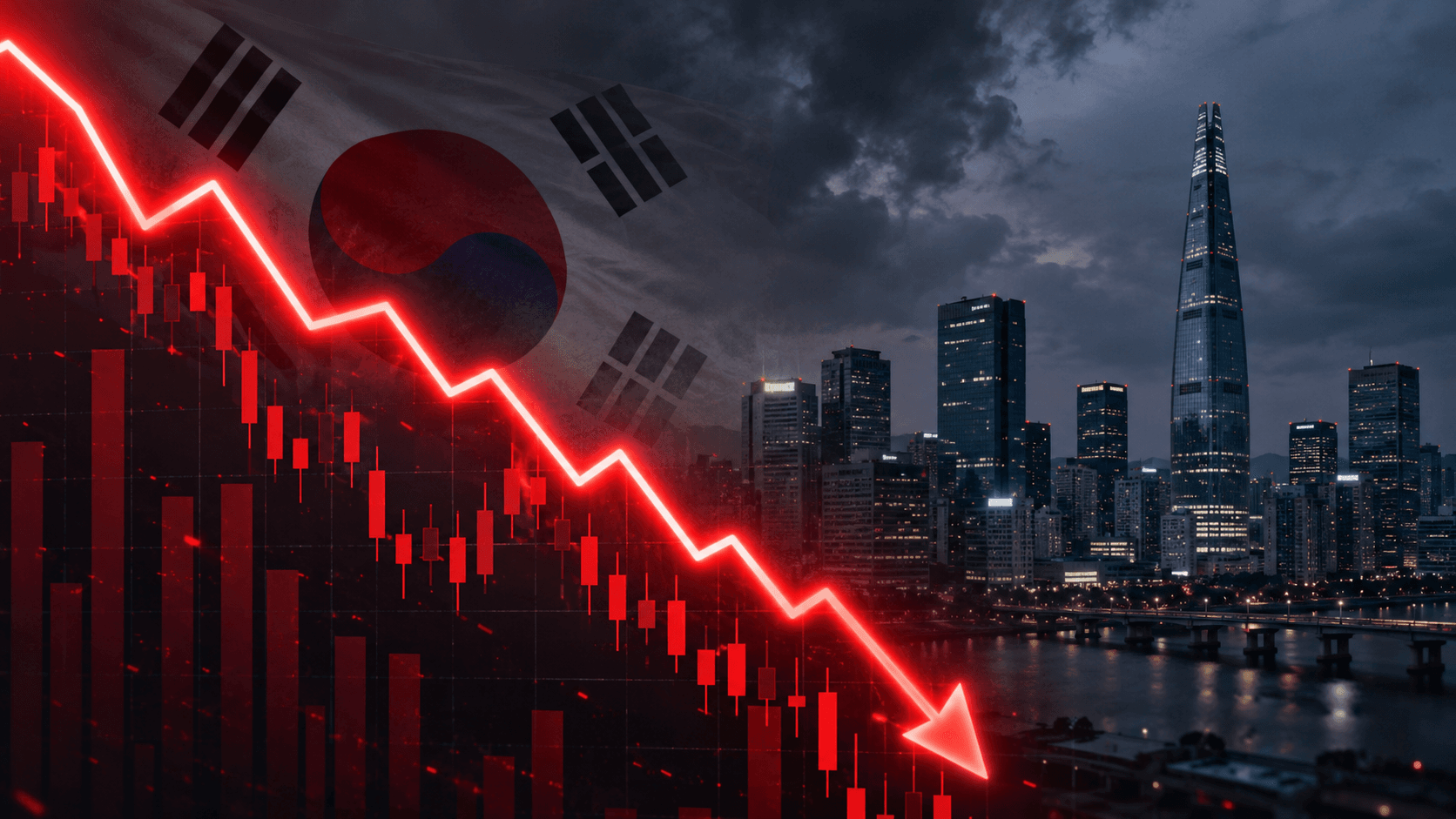
The latest crash was much faster. After reaching approximately 9,385 points in June, the index plunged 41% in only 40 days.
The Korean market is particularly sensitive to global semiconductor demand because Samsung Electronics and SK Hynix represent a large share of the index.
The decline accelerated as investors questioned returns from AI spending and worried about growing competition in the memory-chip industry. Leveraged positions and automated selling added further pressure after prices broke key levels.
Chip Earnings Help Trigger a Sharp ReboundMilk Road analyst Melvin focuses on the recovery that followed. After losing nearly 16% in two sessions, the KOSPI rebounded as investors reassessed strong earnings from Samsung and SK Hynix.
Samsung reported quarterly operating profit growth of approximately 1,810% year over year, supported by demand for AI-related memory products.
SK Hynix posted operating profit growth of 557% and an operating margin near 76%. The company is also a leading supplier of high-bandwidth memory used in AI chips.
These results showed that Korea’s largest technology companies remained highly profitable despite the market collapse.
The sell-off also pushed valuations lower. According to Melvin, earnings expectations for Korean companies rose faster than share prices, reducing the market’s price-to-earnings multiple.
Melvin argues that this is different from a typical bubble, where prices rise much faster than earnings. In Korea, improving profits have partly justified the earlier rally.
Government and private investment in semiconductors, AI infrastructure and data centers could also support long-term demand.
However, major risks remain. The KOSPI is heavily concentrated in chipmakers, while falling AI spending, weaker memory prices or stronger Chinese competition could quickly damage earnings expectations.
For now, the rebound suggests investors viewed the 41% decline as excessive. Still, the speed of both the crash and recovery shows that the KOSPI remains highly exposed to shifts in the global AI and semiconductor cycle.


Read More
2027 Social Security COLA Estimate Holds at 3.8% Ahead of Key Inflation Data