Swiss Crypto Hub Success Built on Fast Approvals, SRO Model
Share:
Switzerland’s SRO-based crypto regime, coordinated by FINMA and operated through 11 private SROs, gives firms a faster approval route (typically 2-4 months) for trading, custody and token issuance while maintaining AML and security oversight. The model reduces time-to-market and compliance costs, attracting startups, CEXs, DEXs and projects pursuing fundraising or token launches and may serve as a global benchmark for balancing innovation, adoption and regulatory clarity.
Predictions Markets
See what traders are focused on

BitcoinWorld
Swiss Crypto Hub Success Built on Fast Approvals, SRO Model
Switzerland’s emergence as a leading digital asset hub is largely attributed to its pragmatic regulatory approach, which leverages Self-Regulatory Organizations (SROs) to streamline market entry while upholding stringent anti-money laundering (AML) standards, according to a recent report by Bitcoin News.
How the SRO Model Works
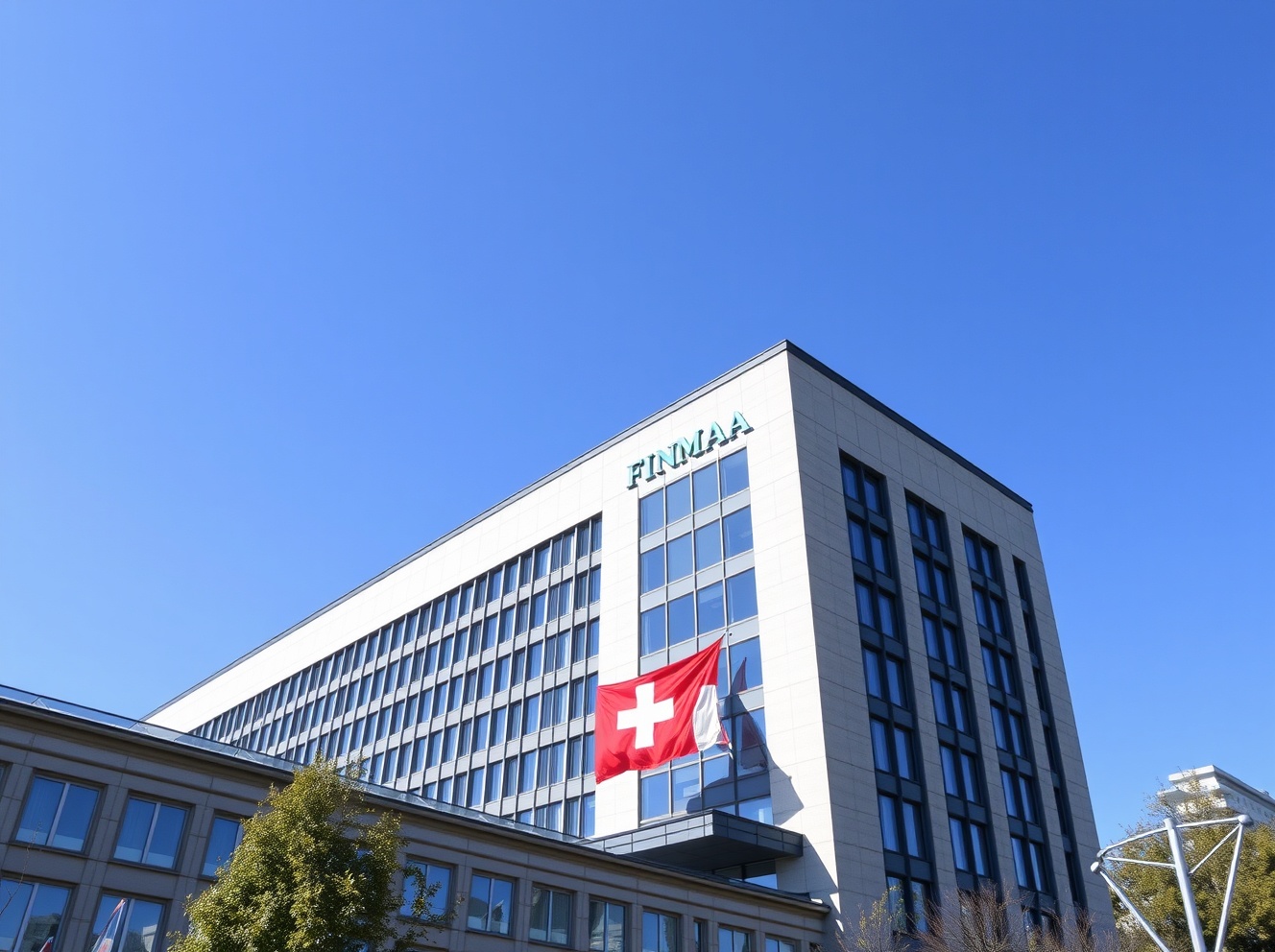
Unlike jurisdictions that mandate full banking licenses for all crypto-related businesses, the Swiss Financial Market Supervisory Authority (FINMA) employs a tiered system. Through 11 private SROs, companies are supervised based on their specific business model and risk profile. If a firm’s activities—such as crypto trading, custody, or payment token issuance—qualify as financial intermediation under Swiss AML law, it must either secure a full FINMA license or join an SRO. The approval process through an SRO typically takes between two to four months, offering a faster, more flexible pathway compared to traditional licensing.
Balancing Innovation and Compliance
This model is designed to strike a balance between fostering innovation and ensuring regulatory oversight. By delegating day-to-day supervision to specialized SROs, FINMA can focus on systemic risks while allowing market participants to engage with the crypto economy without excessive bureaucratic hurdles. The approach has been instrumental in attracting a diverse range of digital asset firms, from startups to established financial institutions, to establish operations in Switzerland.
Implications for the Crypto Industry
The Swiss model offers a template for other countries seeking to regulate digital assets effectively without stifling growth. It demonstrates that regulatory clarity and efficient processes can coexist with robust AML enforcement, potentially influencing global standards. For businesses, the reduced time-to-market and lower compliance costs make Switzerland an attractive jurisdiction, contributing to its reputation as a “crypto nation.”
Conclusion
Switzerland’s success as a digital asset hub is not accidental. The SRO-based regulatory framework provides a practical solution that addresses both industry needs and regulatory obligations. As the crypto market evolves, this model may serve as a benchmark for jurisdictions aiming to balance innovation with oversight.
FAQs
Q1: What is an SRO in the context of Swiss crypto regulation?
An SRO, or Self-Regulatory Organization, is a private body authorized by FINMA to supervise financial intermediaries, including crypto businesses, ensuring they comply with AML laws. This allows firms to be regulated without obtaining a full banking license.
Q2: How long does it take to get approval through an SRO in Switzerland?
Typically, approval through an SRO takes between two to four months, significantly faster than a full FINMA license, which can take longer due to more extensive requirements.
Q3: Does the SRO model compromise anti-money laundering standards?
No, SROs are required to enforce the same AML standards as FINMA. They conduct regular audits and ensure that member firms comply with all legal obligations, maintaining the integrity of the financial system.
This post Swiss Crypto Hub Success Built on Fast Approvals, SRO Model first appeared on BitcoinWorld.


Read More

Japan’s FSA Elevates Crypto Oversight with Dedicated Division