Nvidia stock jittery on Monday: why the AI darling is struggling to breakout

Share:
Nvidia shares flat at $188.55 in early Monday trading after an eight-session winning streak (+2.6% on Friday); stock still below $200. TSMC posted Q revenue +39% to $36B (beat $35B) and will report full Q1 results this week. Risks: Middle East tensions and Strait of Hormuz disruptions threaten energy and semiconductor supply chains (TSMC ~9% of Taiwan electricity; LNG reserves sufficient through May). Competition from Amazon and Huawei (Ascend 950PR ~2.87x H200) and potential HBM shortages could cut Vera Rubin 2026 output to ~1.5M from 2M. Long-term outlook strong: Nvidia projects Blackwell/Vera Rubin sales could reach $1T by 2027; KeyBanc keeps Overweight with $275 price target. Implications for crypto and AI infrastructure: GPU supply constraints may impact crypto mining, DeFi/DEX infrastructure, CEX operations, token launches and broader adoption.
Predictions Markets
See what traders are focused on

Nvidia shares remained flat at $188.55 in early trading Monday, struggling to break out of a months-long trading range.
The stock had closed 2.6% higher on Friday, marking its eighth consecutive session of gains.
Broader markets were mixed. The Nasdaq Composite rose 0.3%, while the Dow Jones Industrial Average fell 267 points, or 0.6%.
Nvidia received a lift last week after Taiwan Semiconductor Manufacturing Company reported stronger-than-expected sales.
The chip foundry posted a 39% increase in quarterly revenue to $36 billion, beating estimates of $35 billion.
TSMC is set to report its full first-quarter results later this week.
Despite the positive read-through, Nvidia shares have struggled to regain levels above $200.
Geopolitical risks weigh on outlook
Ongoing tensions in the Middle East continue to cloud the outlook.
Concerns around the Iran conflict and the disruption of the Strait of Hormuz are raising fears about supply chain stability.
Much of Asia’s semiconductor ecosystem depends on energy shipments routed through the Strait, which remains effectively blocked.
Rising energy costs and potential shortages of key inputs such as helium are adding to uncertainty.
TSMC, a key supplier to Nvidia, is particularly exposed.
The company accounts for about 9% of Taiwan’s electricity consumption, with natural gas as the primary energy source.
Authorities have said liquefied natural gas reserves are sufficient through May, but risks remain.
Competition intensifies in AI chips
Beyond geopolitics, competitive pressures are building.
Amazon CEO Andy Jassy said the company could expand sales of its in-house AI chips to third parties, potentially increasing competition with Nvidia.
Chinese technology giant Huawei has also stepped up its efforts.
The company said its Ascend 950PR processor delivers nearly 2.87 times the performance of Nvidia’s H200 AI chip.
Nvidia has resumed production of its H200 chips for Chinese customers, though it did not provide detailed guidance on China sales.
The competitive landscape is further complicated by policy developments.
China had earlier encouraged domestic customers to shift toward local chip suppliers, while US tariffs have added complexity to global semiconductor trade.
At the same time, supply-side challenges are emerging.
KeyBanc analyst John Vinh said Nvidia could face difficulties scaling production of its next-generation Vera Rubin chips.
Vinh noted that shortages of high-bandwidth memory could force Nvidia to reduce planned output in 2026 to around 1.5 million units from an earlier estimate of 2 million.
He maintains an Overweight rating on the stock with a $275 price target.
Long-term outlook remains strong
Despite near-term concerns, Nvidia continues to project strong long-term growth.
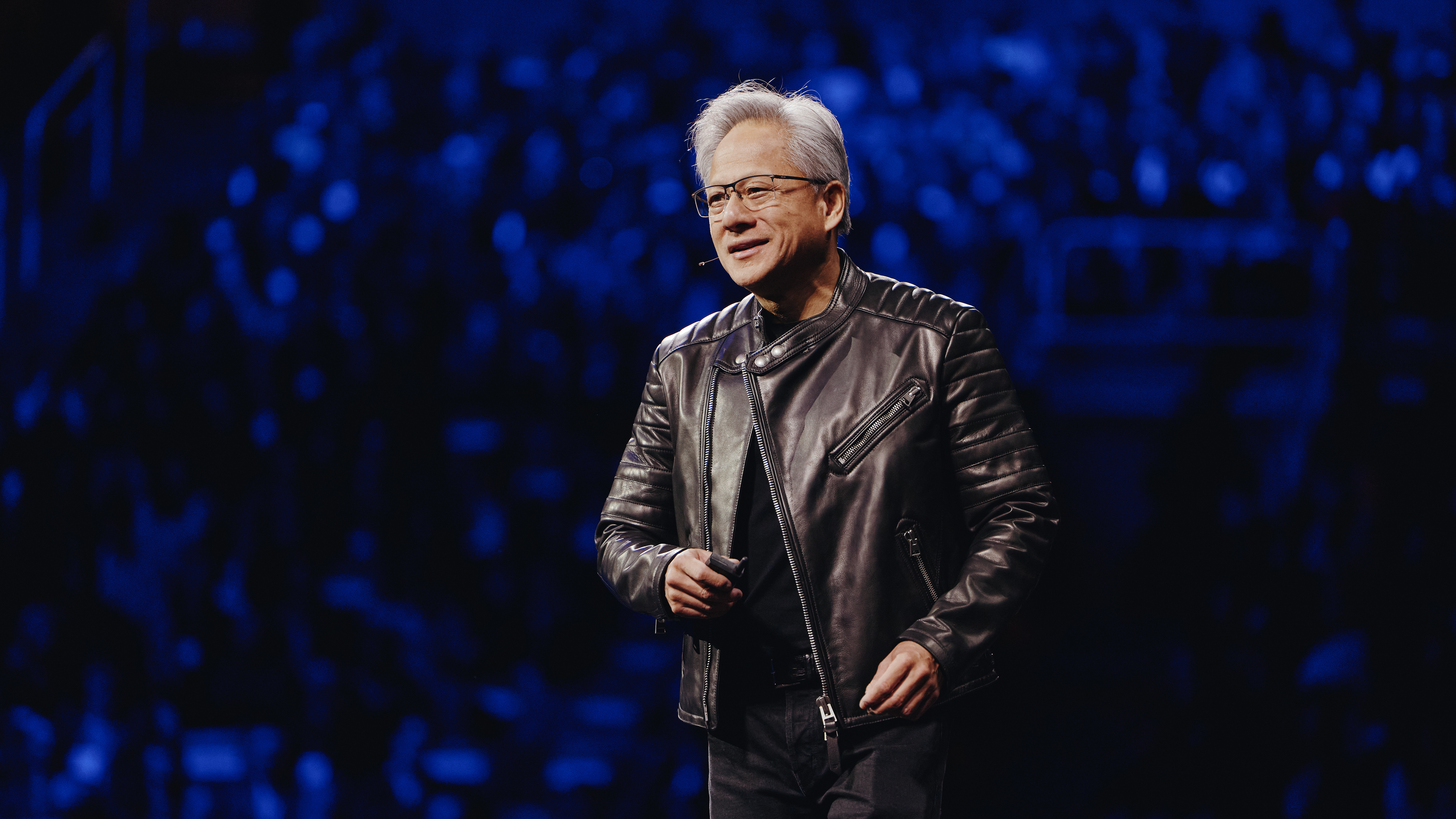
At its GTC event in March, CEO Jensen Huang said sales from its Blackwell and Vera Rubin chips could reach $1 trillion by 2027, doubling previous forecasts.
The outlook underscores Nvidia’s central role in the AI ecosystem, even as investors weigh risks related to geopolitics, competition, and supply constraints.
For now, the stock remains caught between strong structural demand and near-term uncertainties, limiting its ability to break out of its recent trading range.
The post Nvidia stock jittery on Monday: why the AI darling is struggling to breakout appeared first on Invezz


Read More

S&P 500 Sets Fresh Record as Cooler PPI Data Dims September Rate Hike Prospects