FIFA Turns to Avalanche Blockchain to Stop World Cup Ticket Scalping
Share:
FIFA is deploying Avalanche (AVAX) blockchain technology, built with Avalanche last year, to introduce a dual-asset ticketing model—Right to Buy (RTB) and Right to Ticket (RTT)—that creates a transparent, auditable secondary market to curb bots, fraud and price gouging. The Web3 implementation via FIFA Collect is being tested with limited allocations, is designed to be invisible to end users, and represents a major crypto adoption and security milestone for blockchain ticketing though use for the 2026 World Cup is not yet confirmed.
Predictions Markets
See what traders are focused on

BitcoinWorld
FIFA Turns to Avalanche Blockchain to Stop World Cup Ticket Scalping
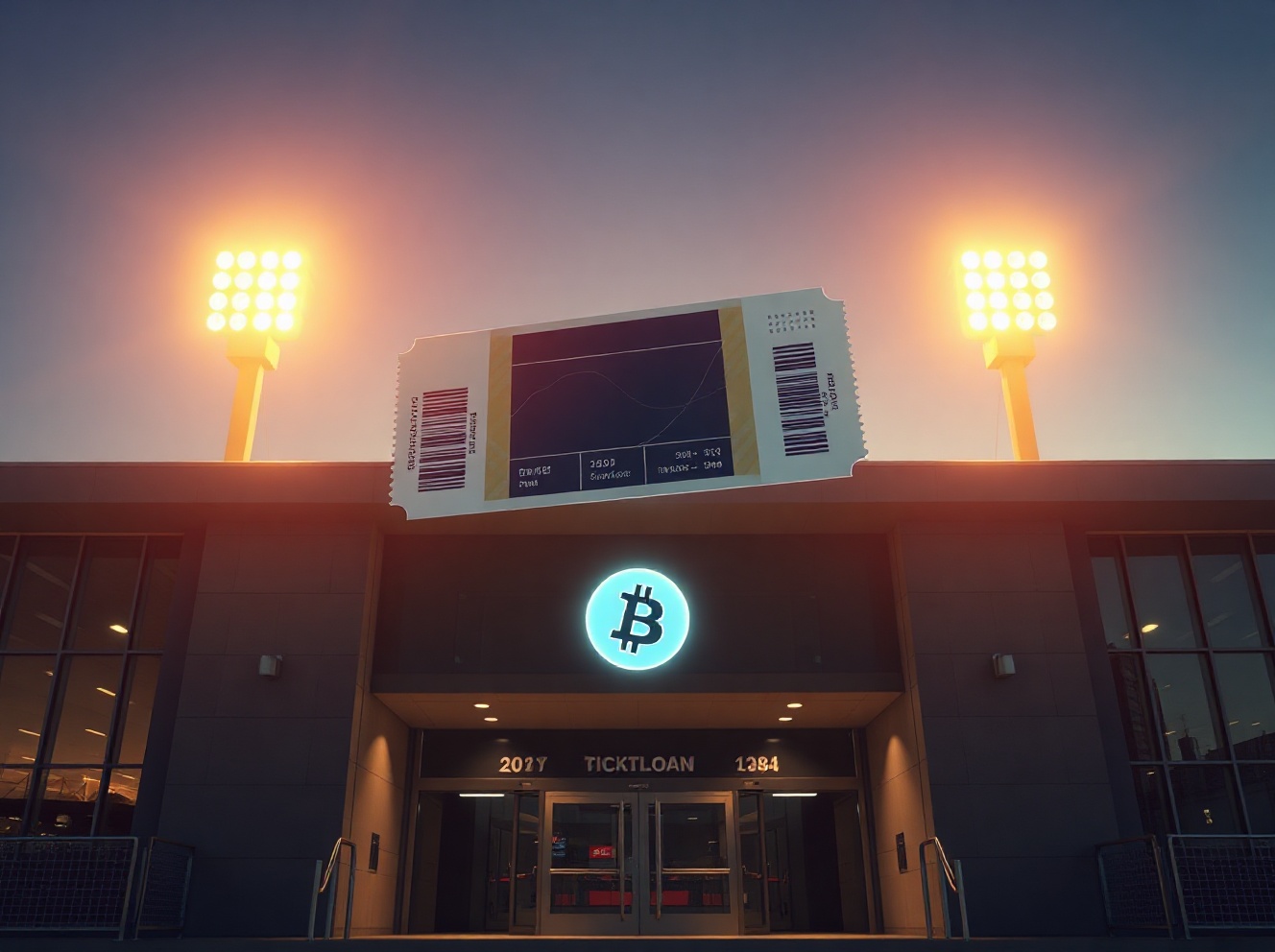
FIFA is deploying blockchain technology from Avalanche (AVAX) to tackle the persistent problem of ticket scalping ahead of major World Cup tournaments. The initiative, built on FIFA’s own Layer 1 blockchain developed in partnership with Avalanche last year, introduces a novel ticketing model designed to curb bots, fraud, and price gouging.
A Two-Ticket System for Secure Resale
The system, operating through FIFA’s Web3 platform FIFA Collect in collaboration with blockchain infrastructure firm Modex, separates the right to buy a ticket from the ticket itself. A limited number of tickets are assigned two distinct digital assets: a Right to Buy (RTB) and a Right to Ticket (RTT). Fans can acquire an RTB through FIFA Collect and, if they choose not to attend, trade it on a secondary market at market-driven prices. Once the RTB is used, it converts into an RTT, which then allows the holder to purchase an official match ticket via FIFA’s existing ticketing system.
This model effectively creates a transparent, verifiable secondary market for ticket rights, reducing the ability of scalpers to use bots to hoard tickets and resell them at inflated prices. Because the RTB and RTT are tracked on the Avalanche blockchain, each transaction is immutable and auditable, making fraud significantly more difficult.
Why This Matters for Fans
Ticket scalping has long plagued major sporting events, with bots and resellers driving up prices and frustrating genuine fans. FIFA’s blockchain-based approach offers a potential solution that balances market dynamics with fairness. By enabling a secure secondary market for ticket rights, the system allows fans who can no longer attend to sell their RTB at a fair price, while preventing bulk purchasing by automated scripts.
Implications for the Broader Ticketing Industry
FIFA’s adoption of blockchain for ticketing could set a precedent for other major event organizers. The technology’s ability to provide transparency, traceability, and automated enforcement of resale rules addresses long-standing pain points in the live events industry. If successful, this model may influence how tickets for concerts, sports leagues, and other high-demand events are managed in the future.
Conclusion
FIFA’s use of Avalanche blockchain technology represents a practical application of Web3 tools to solve a real-world problem. By separating the right to buy from the ticket itself and recording all transactions on an immutable ledger, the organization aims to restore trust in the ticket purchasing process. While still early, this initiative could reshape how major events handle ticket distribution and resale, benefiting both organizers and fans.
FAQs
Q1: How does FIFA’s blockchain ticketing system prevent scalping?
The system assigns two digital assets per ticket: a Right to Buy (RTB) and a Right to Ticket (RTT). The RTB can be traded on a secondary market, but once used, it converts to an RTT, which is used to purchase the actual ticket. This creates a transparent, auditable chain of ownership that makes bulk purchasing by bots difficult.
Q2: Do I need cryptocurrency to use FIFA’s new ticketing system?
No. While the system uses Avalanche blockchain technology behind the scenes, fans interact through FIFA Collect and FIFA’s standard ticketing interface. The blockchain components are designed to be invisible to the end user, similar to how many apps use blockchain without requiring users to manage wallets or tokens.
Q3: Will this system be used for the 2026 World Cup?
FIFA has not yet confirmed which tournaments will use this blockchain-based ticketing model. The current implementation is part of FIFA Collect and is being tested with limited ticket allocations. Fans should monitor official FIFA announcements for specific tournament applications.
This post FIFA Turns to Avalanche Blockchain to Stop World Cup Ticket Scalping first appeared on BitcoinWorld.


Read More
Kenya to Place 15 Million Academic Records on Avalanche Blockchain