Iran War Explained: Strategic Motives, Economic Winners, and Crypto Market Risks
Share:
Iran–US–Israel war escalates and ceasefire talks falter, pushing oil above $100 and raising inflation risks and global market uncertainty. Markets are reacting in real time; Bitcoin shows mixed behavior—sometimes trading like a risk asset, sometimes a crisis hedge—creating uneven flows across crypto, DeFi, DEX and CEX liquidity. Resulting volatility and inflation pressure may hurt token launches, fundraising and adoption while increasing security and liquidity risks for crypto platforms.
Predictions Markets
See what traders are focused on

- Iran conflict drives oil above $100, raising inflation risks and global market uncertainty.
- Ceasefire talks weaken as Iran rejects a truce, increasing chances of escalation.
- Bitcoin shows mixed behavior, acting as both a risk asset and a crisis hedge.
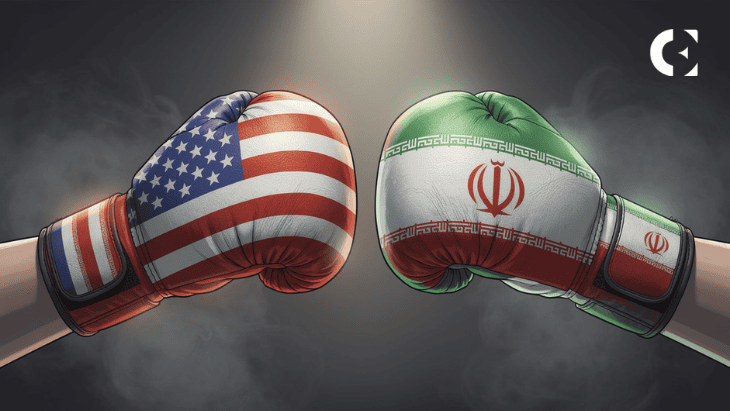
The war involving Iran, the United States, and Israel has since gone beyond regional conflict. It is shaping global markets, pushing oil prices higher, and testing how assets like Bitcoin behave during a crisis.
Talks to end the war are now struggling as threats of escalation grow. The situation remains uncertain with each passing day, and markets are reacting in real time.
Ceasefire Talks Falter as War Risks Rise
Efforts to pause the fighting are weakening. Mediators from countries like Pakistan, Egypt, and Turkey are pushing for a temporary ceasefire and the reopening of the Strait of Hormuz.
However, Iran …
Read The Full Article Iran War Explained: Strategic Motives, Economic Winners, and Crypto Market Risks On Coin Edition.


Read More
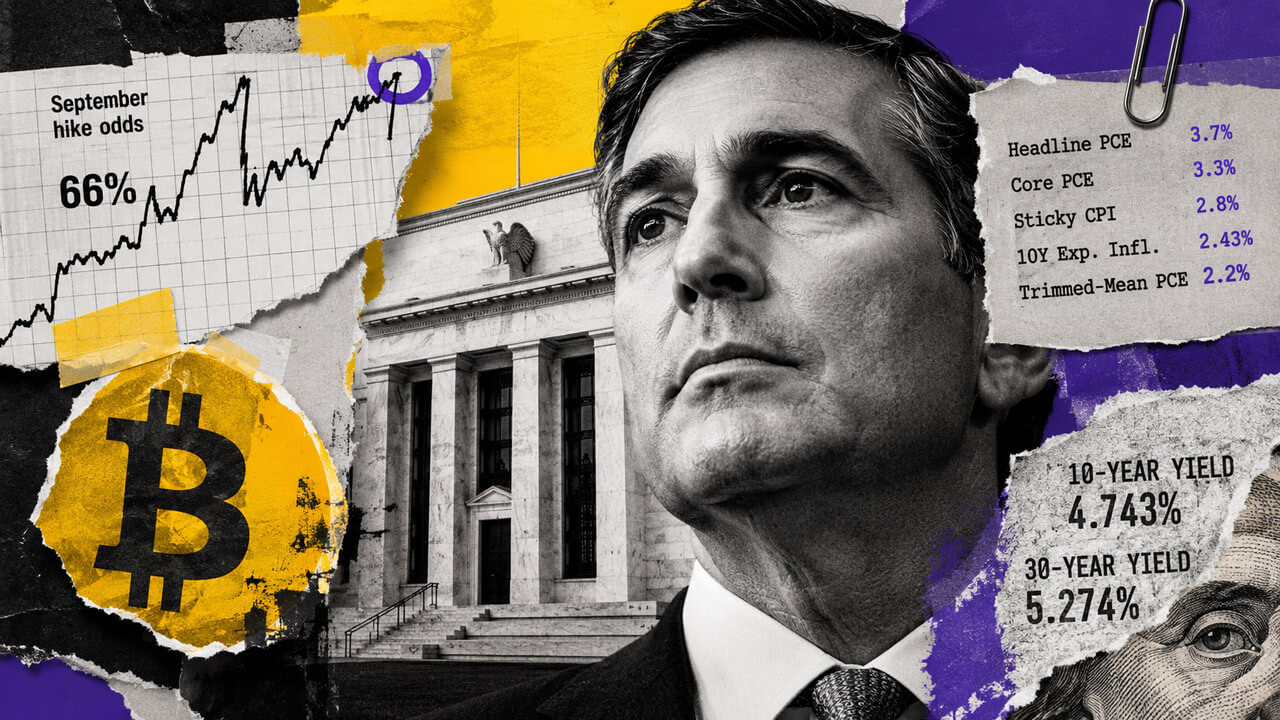
If the Fed trusts this single 2.2% metric, Bitcoin could break $65.3k and ignite a path to $68k