
Why institutions are suddenly eyeing Latin America’s crypto market

Share:
Institutional shift in 2026: institutional players (Crypto Finance Group/Deutsche Börse entry) and banks/asset managers are deploying trading and custody infrastructure across LATAM; major CEXs opened 200+ BRL trading pairs since 2024 and corporates (Meliuz) hold 320 BTC, signaling custody and institutional crypto adoption. Strong market metrics underpinning adoption: 2025 saw ~$730B in bitcoin volume (~10% of global activity, +60% YoY), $324B in stablecoin volume, and monthly active users +18%, driving demand for stablecoin payments, cross-border transfers, DeFi/yield products in Peru/Colombia. Regulatory and market risks remain but clarity is improving: Brazil’s Virtual Assets Law and Travel Rule and Mexico’s Fintech Law enable compliance and institutional onboarding; remittance fees can fall from ~6.2% to <0.1%, boosting payment use cases and broader crypto adoption (crypto, custody, CEX, DeFi, stablecoin, regulatory).
Predictions Markets
See what traders are focused on

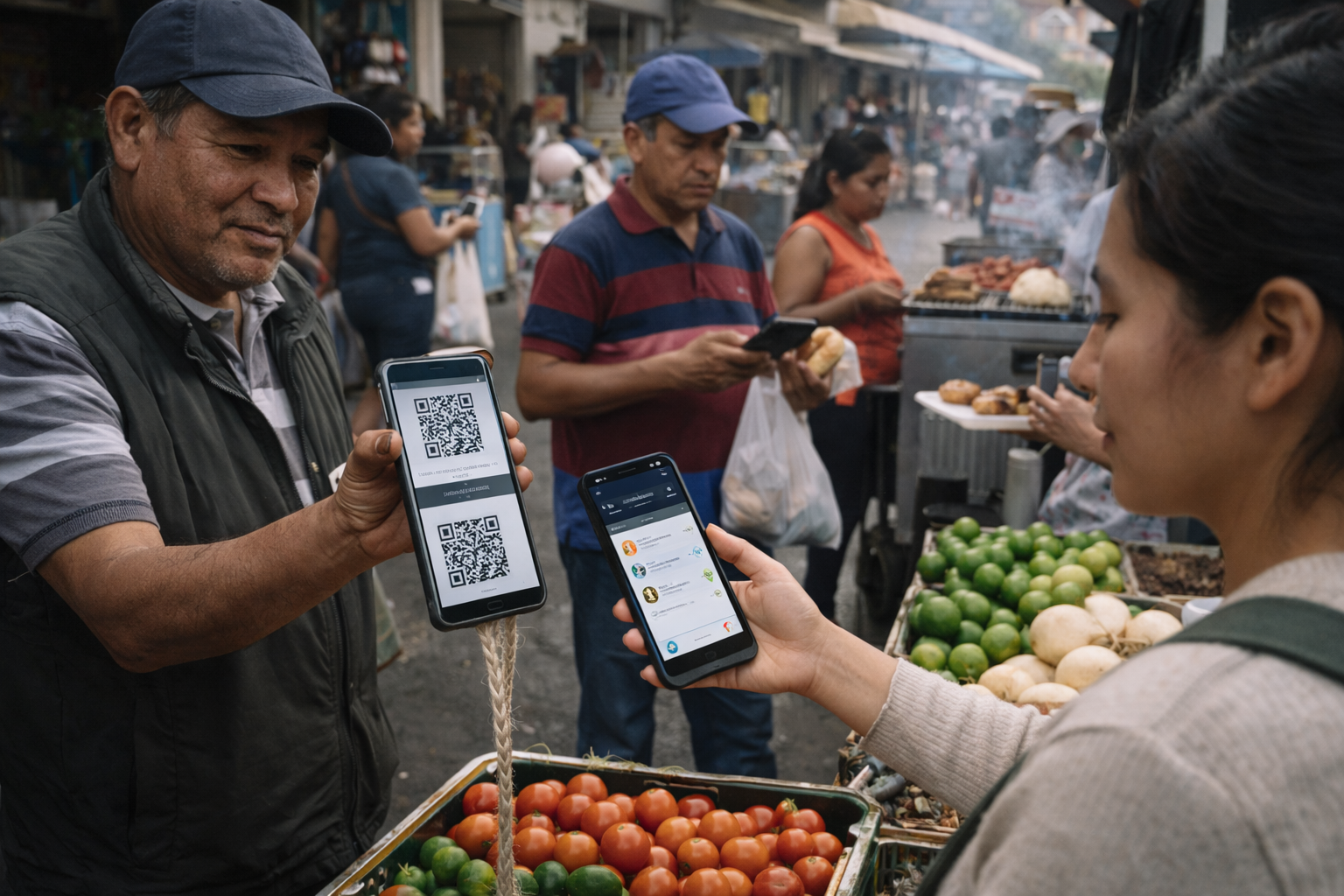
In 2026, the cryptocurrency scene in Latin America is about to reach a new stage as institutional players become more aware of the region's possibilities.
The market is transcending its conventional retail-driven model as banks, asset managers, and fintechs start to invest cash and infrastructure.
Although policy divergence remains a significant issue among nations, regulatory frameworks are also emerging, providing clearer advice for asset management and compliance.
According to a new Go Markets report, LATAM is being viewed through an institutional, strategic lens and is no longer just a speculative playground.
Digital alternatives are now supplementing traditional financial infrastructure, which has historically underserved a large portion of the population.
Adoption of cryptocurrency is becoming more closely associated with useful financial solutions rather than just speculative trading, such as corporate treasury management, stablecoin payments, and cross-border transfers.
Diverse adoption patterns across the region
Latin America's adoption of cryptocurrency is still very diverse.
With regulated exchanges, ETFs, and corporate strategies now commonplace, Brazil and Mexico are at the forefront of institutional adoption.
While fintech companies like Nubank encourage customers to retain stablecoins like USDC, Brazil's Virtual Assets Law and the recently implemented Travel Rule are influencing market participation in 2026.
Mexico continues to promote an expanding professional cryptocurrency ecosystem by utilizing its Fintech Law framework from 2018.
Cryptocurrency is still used as a hedge against local currency volatility in other nations, such as Venezuela and Argentina.
In the meantime, yield-focused markets are beginning to emerge in Peru and Colombia, where regular investors are looking for returns that aren't accessible from conventional savings accounts.
Because blockchain solutions drastically lower the costs for migrant workers sending money home, remittances continue to be a major driver.
With cryptocurrency alternatives, transaction fees typically decrease from 6.2% with traditional systems to less than 0.1%, giving millions of households real financial relief.
Institutional infrastructure gaining traction
The entrance of institutional-grade infrastructure is transforming the market landscape.
Crypto Finance Group, a division of Deutsche Börse Group, entered LATAM at the beginning of 2026 to offer trading and custody services to asset managers and banks.
Centralised exchanges such as Mercado Bitcoin, NovaDAX, and Binance have jointly opened over 200 BRL-denominated trading pairs since 2024, facilitating smoother involvement for local and international investors.
Corporate adoption is also increasing; as a result of its innovative Bitcoin accumulation approach, Brazil's Meliuz currently possesses 320 BTC.
The bottom-up, retail-driven growth that characterized LATAM's cryptocurrency markets has changed as a result of these events.
Although regulatory differences and nation-specific policies continue to present challenges, institutional adoption offers a layer of stability and suggests that the industry may be ready for sustainable growth.
2025 performance offers background
For comparison, Latin America generated over $730 billion in bitcoin volume in 2025, roughly 10% of all cryptocurrency activity worldwide and a 60% year-over-year growth.
A large portion of this adoption was driven by stablecoins, which accounted for $324 billion of the entire volume. Brazil and Argentina were particularly active.
The region's monthly active user base increased by 18% in 2025, demonstrating the continued need for digital assets as useful financial tools rather than only speculative ones.
Brazil's legislative structure and record volumes prepared the ground for the institutional drive in 2026.
While the underlying economic drivers, financial exclusion, currency instability, and reliance on remittances, remain as relevant today as they were in 2025, Latin America's cryptocurrency market is generally changing from a necessity-driven ecosystem into a more sophisticated, institutionalized infrastructure.
The post Why institutions are suddenly eyeing Latin America’s crypto market appeared first on Invezz
In This News
Coins

$ 78.47K
-0.36%
$ 0.99989
+0.01%
$ 0.9985
-0.11%
$ 0.9939


Predictions Markets
See what traders are focused on
Share:
In This News
Coins
$ 78.47K
-0.36%$ 0.99989
+0.01%$ 0.9985
-0.11%$ 0.9939
Predictions Markets
See what traders are focused on
Share: