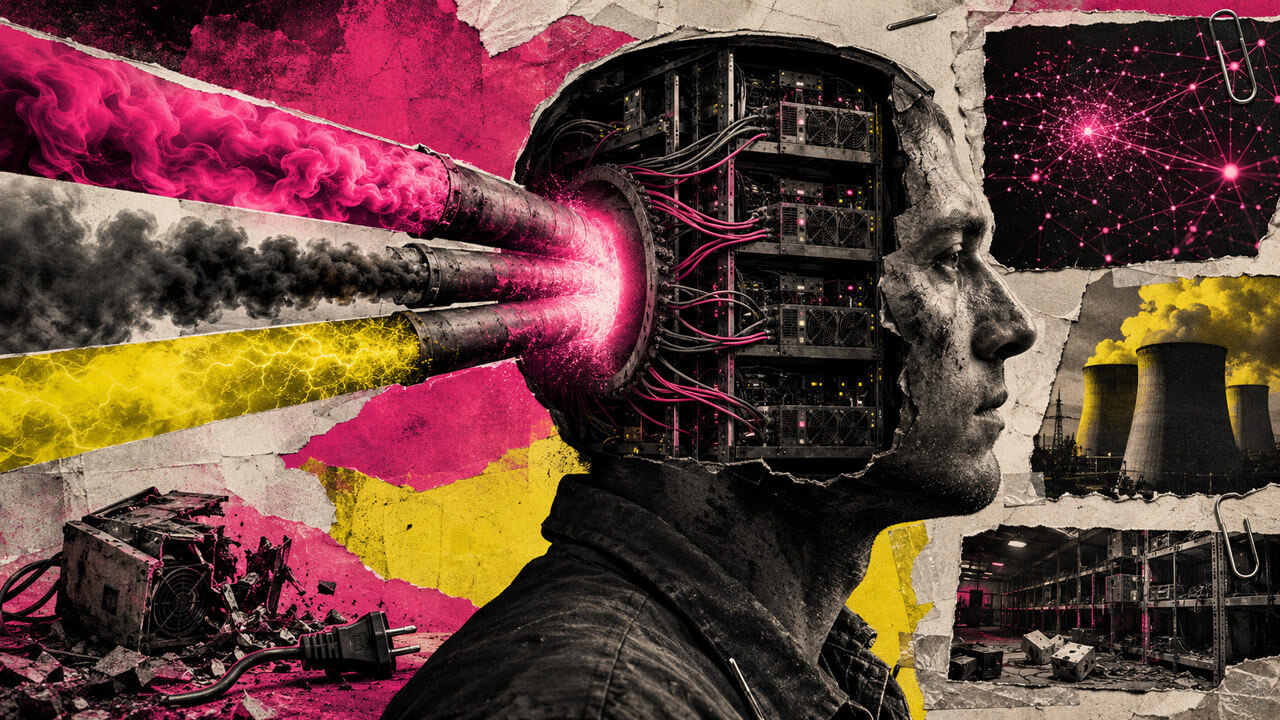
Mining Farms to AI Data Centers: CleanSpark CEO Issues Urgent Caution on Conversion Costs
Share:
At Bitcoin 2026 CleanSpark CEO Matt Schultz warned that converting crypto mining farms to AI data centers skyrockets capex from ~$500k/MW to $10–12M/MW (~20x), increases staffing from 1 to 8 per 10 MW, and typically takes 18–24 months; only ~15% of facilities are convertible without major upgrades. - Key risks: strict cloud-provider lease terms (a single day delay can erase a year’s revenue), supply-chain/construction penalties, and high execution costs illustrated by a failed Norway project losing >$50M and a Texas conversion taking 3 years with +40% budget overrun. - Market implication: miners pivoting due to Bitcoin volatility and halving face adoption and infrastructure challenges; investors should focus on technical expertise, partnerships, contingency planning and view short-term stock spikes on conversion announcements skeptically (crypto, mining, AI data centers, conversion costs, lease terms).
Predictions Markets
See what traders are focused on

BitcoinWorld
Mining Farms to AI Data Centers: CleanSpark CEO Issues Urgent Caution on Conversion Costs
At the Bitcoin 2026 Conference in Miami, CleanSpark CEO Matt Schultz issued a stark warning about converting mining farms to AI data centers. He highlighted the dramatic cost increases and operational challenges that many in the industry overlook. This caution comes as Bitcoin miners explore new revenue streams amid market volatility.
Mining Farms to AI Data Centers: The Cost Reality
Schultz explained that the cost per megawatt for converting mining farms to AI data centers jumps significantly. Specifically, it rises from around $500,000 to between $10 million and $12 million. This represents a 20-fold increase in capital expenditure. Many mining firms underestimate these costs, focusing only on potential stock gains.
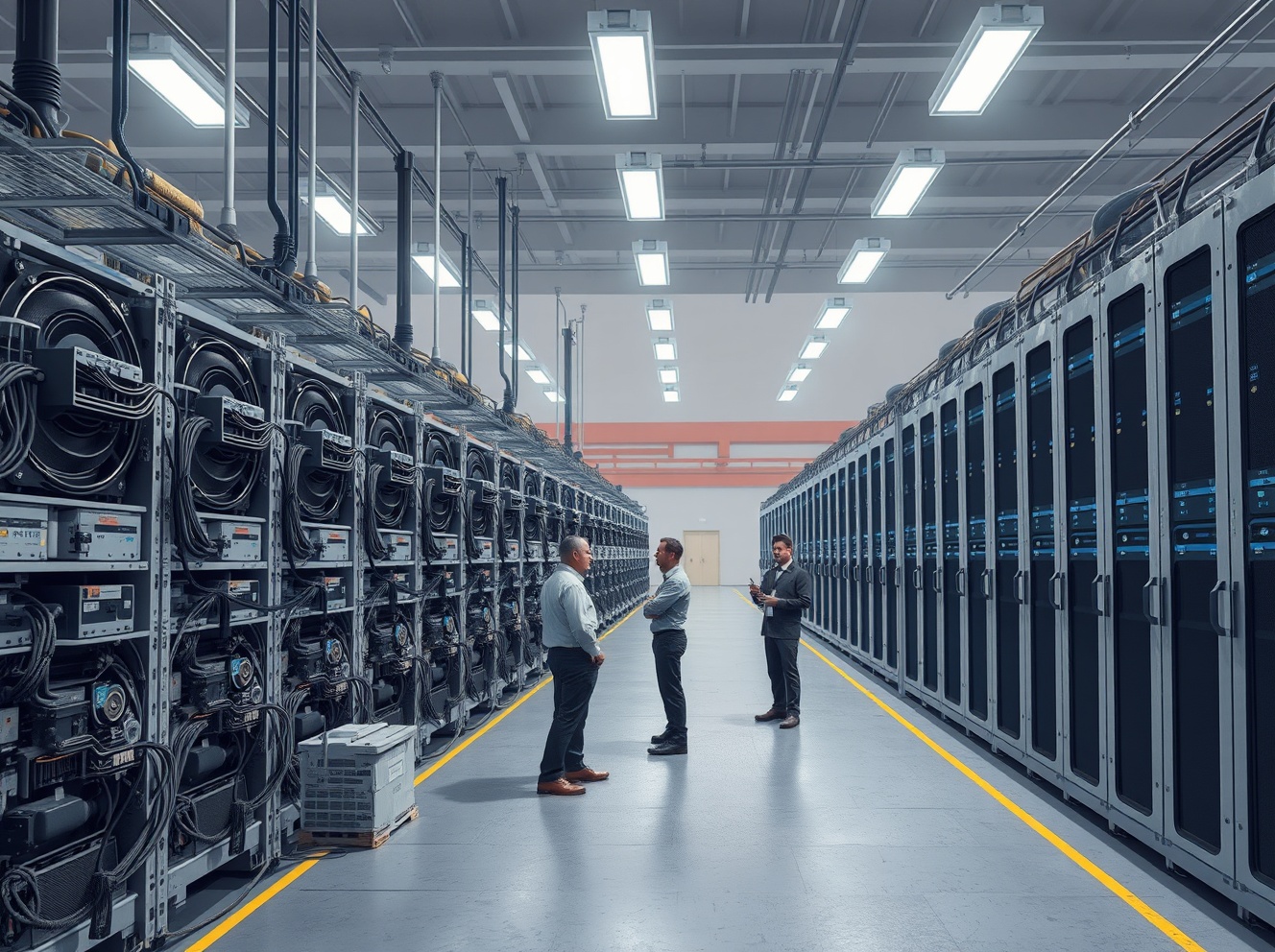
Staffing requirements also change drastically. For every 10 megawatts, a mining facility needs roughly one employee. In contrast, an AI data center requires about eight employees for the same capacity. This increase reflects the need for specialized skills in cooling, networking, and hardware maintenance.
Lease Terms and Revenue Risks
Schultz emphasized that major cloud providers impose extremely strict lease terms. A single day of delay can wipe out an entire year’s contract revenue. This risk makes the conversion process particularly dangerous for unprepared firms. The CEO urged the industry to approach these projects with caution and thorough planning.
The timeline for such conversions is also critical. Typical projects take 18 to 24 months to complete. Any disruption in supply chains or construction can lead to severe financial penalties. Mining companies must secure reliable partners and contingency plans before starting.
Industry Context: Why Mining Farms Are Pivoting
The push to convert mining farms to AI data centers stems from several factors. Bitcoin’s price volatility and the recent halving event have reduced mining profitability. Simultaneously, the AI boom has created massive demand for high-performance computing infrastructure.
Many mining facilities already possess key advantages: access to cheap power, existing cooling systems, and secure locations. However, Schultz warned that these advantages do not automatically translate to AI success. The technical requirements for AI workloads differ fundamentally from those for cryptocurrency mining.
Technical Differences Between Mining and AI
Bitcoin mining relies on ASIC chips designed for a single task: solving SHA-256 hashes. AI data centers require GPUs or specialized AI accelerators that handle diverse workloads. The power density, cooling needs, and network infrastructure differ significantly.
For example, a typical mining rig operates at around 3,000 watts per square foot. An AI server rack can exceed 40,000 watts per square foot. This requires advanced liquid cooling systems and upgraded electrical infrastructure. Many existing mining facilities lack these capabilities.
Expert Perspectives on Conversion Feasibility
Industry analysts have mixed views on the feasibility of converting mining farms to AI data centers. Some argue that the existing power infrastructure and real estate provide a strong foundation. Others point to the high costs and technical challenges as major barriers.
A recent report from a consulting firm estimated that only 15% of existing mining facilities are suitable for AI conversion without major upgrades. The remaining 85% would require substantial capital investment. This aligns with Schultz’s cautionary stance.
Short-Term Stock Gains vs. Long-Term Viability
Schultz specifically warned against focusing on short-term stock gains. When mining companies announce AI conversion plans, their stock prices often surge. However, the CEO noted that these gains can be misleading. The actual execution risks are high, and many projects fail to deliver.
Investors should look beyond the headlines. They need to assess the company’s technical expertise, financial resources, and partnership quality. Without these elements, conversion attempts can lead to significant losses.
Case Studies and Real-World Examples
Several mining companies have already attempted AI conversions with mixed results. One firm successfully repurposed its facility in Texas, securing a contract with a major cloud provider. However, the project took three years and exceeded its budget by 40%.
Another company in Norway abandoned its conversion plans after facing regulatory hurdles and construction delays. The failed attempt cost the firm over $50 million. These examples underscore the risks Schultz highlighted.
Best Practices for Successful Conversion
Based on industry experience, several best practices emerge. First, companies should conduct thorough feasibility studies before committing capital. Second, they should partner with experienced data center developers. Third, they should negotiate flexible lease terms that account for potential delays.
Additionally, firms should retain some mining capacity as a hedge. This provides revenue stability during the transition period. Diversification, rather than full conversion, may be a safer strategy.
Conclusion
Converting mining farms to AI data centers presents both opportunities and significant risks. CleanSpark CEO Matt Schultz’s warning at the Bitcoin 2026 Conference highlights the need for caution. The cost increases, staffing changes, and strict lease terms demand thorough planning. Mining companies must avoid the trap of short-term stock gains and focus on long-term viability. As the industry evolves, those who approach conversion with realistic expectations and robust execution plans will succeed.
FAQs
Q1: Why are mining farms converting to AI data centers?
Mining farms are converting due to reduced Bitcoin profitability and growing demand for AI computing power. The existing power infrastructure and real estate make them attractive candidates for repurposing.
Q2: What are the main cost increases in conversion?
The cost per megawatt jumps from $500,000 to $10-12 million. Staffing needs also increase from one to eight employees per 10 MW. These changes reflect the more complex requirements of AI workloads.
Q3: How strict are the lease terms from cloud providers?
Major cloud providers impose extremely strict terms. A single day of delay can wipe out an entire year’s contract revenue. This makes project management and contingency planning critical.
Q4: What percentage of mining facilities are suitable for conversion?
Industry estimates suggest only 15% of existing mining facilities are suitable without major upgrades. The remaining 85% require substantial capital investment for power, cooling, and networking.
Q5: What should investors look for in mining companies pursuing AI conversion?
Investors should assess technical expertise, financial resources, partnership quality, and realistic timelines. Short-term stock gains can be misleading without solid execution plans.
This post Mining Farms to AI Data Centers: CleanSpark CEO Issues Urgent Caution on Conversion Costs first appeared on BitcoinWorld.


Read More
Bitcoin miner gambles on a 4-day bridge loan equal to 97% of its BTC treasury value – the deadline passed without in total silence