Currencies36061
Market Cap$ 3.10T-5.47%
24h Spot Volume$ 83.43B+137.8%
DominanceBTC55.65%+0.24%ETH10.87%-2.39%
ETH Gas0.04 Gwei
Cryptorank
/

Bitcoin Mining Profitability Crisis: Why Miners Face a Bleak 1000-Day Payback

by Editorial Team
for Bitcoin World

Share:

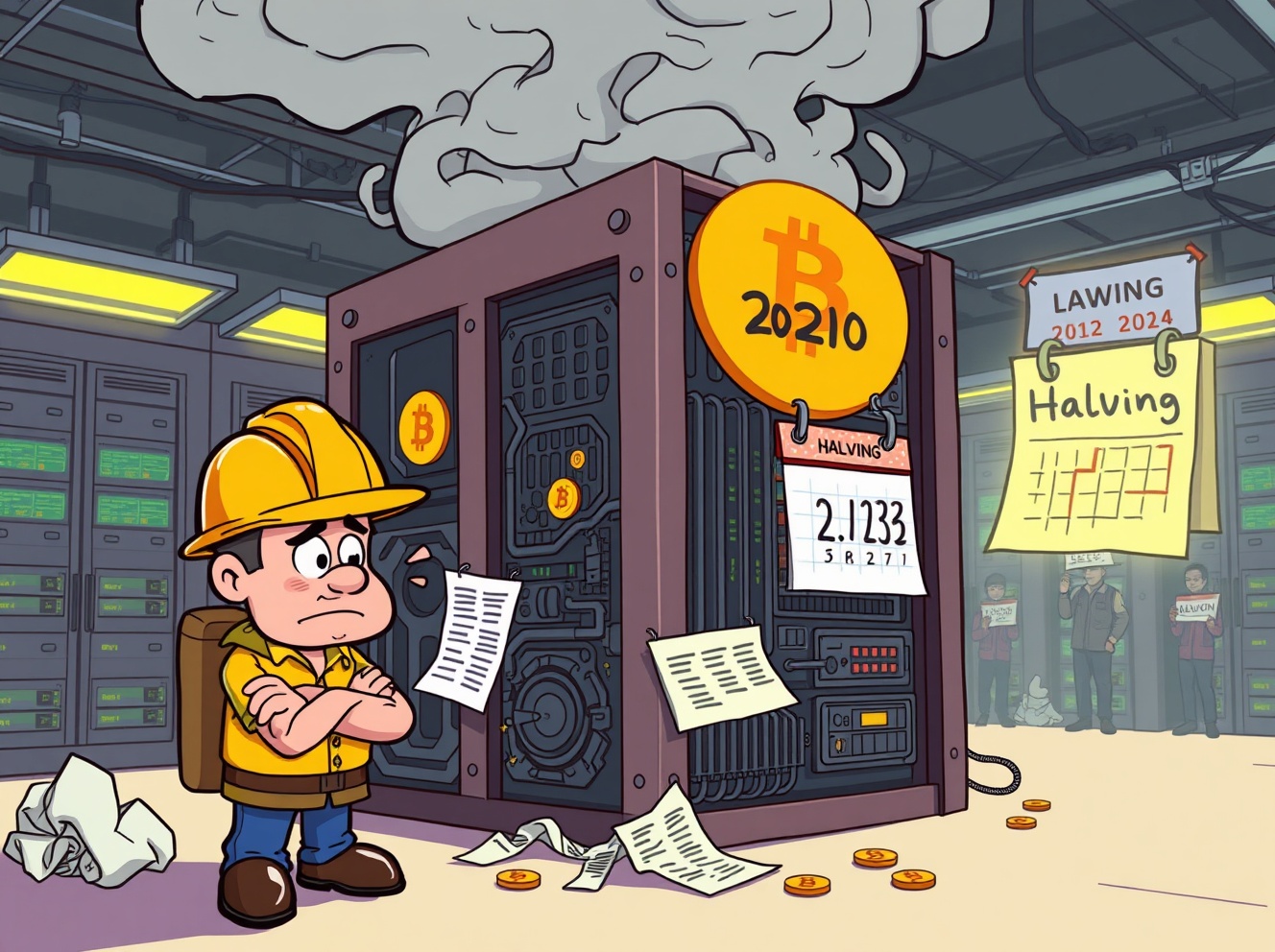
A cartoon illustrating the Bitcoin mining profitability crisis, showing a distressed miner facing a complex, underperforming rig.

BitcoinWorld

Bitcoin Mining Profitability Crisis: Why Miners Face a Bleak 1000-Day Payback

The digital gold rush is hitting a severe roadblock. New data reveals the Bitcoin mining profitability landscape is in crisis, with miners staring down the barrel of unsustainable costs and plummeting revenues. This isn’t just a minor dip; it’s a fundamental shift threatening the backbone of the Bitcoin network. Let’s break down why this is happening and what it means for the future of crypto.

What’s Causing the Bitcoin Mining Profitability Crisis?

According to a stark analysis by TheMinerMag, the key metric known as ‘hashprice’ has crashed. This figure represents the estimated daily earnings for a unit of mining power. It has fallen from an average of $55 per petahash per second (PH/s) in the third quarter to a mere $35 today. This 36% drop directly slashes miner income. Consequently, the payback period for expensive new mining equipment now stretches beyond 1,000 days. That’s longer than the time remaining until the next Bitcoin halving, creating a perilous financial equation for anyone investing in new gear.

How Are Public Mining Companies Being Hit?

The stock market tells a grim story. Since mid-October, major publicly traded Bitcoin miners have seen their valuations decimated. This sell-off reflects investor panic over vanishing Bitcoin mining profitability. Here are some of the most dramatic declines:

  • Marathon Digital (MARA): Down approximately 50%.
  • CleanSpark (CLSK): Down 37%.
  • Riot Platforms (RIOT): Down 32%.
  • HIVE Blockchain (HIVE): Suffered the largest drop at 54%.

These numbers signal a massive loss of confidence. Investors are questioning if these companies can remain solvent through this prolonged squeeze.

Is This the End for Bitcoin Miners?

Not necessarily, but it forces a brutal Darwinian shakeout. Miners with high operational costs and outdated equipment will be forced to shut down. However, this crisis also creates opportunities. The most efficient operators with access to cheap, reliable energy will survive and potentially thrive. They may acquire assets from failing competitors at a discount, consolidating the industry. The immediate challenge is navigating the next 850 days until the halving, which will again cut block rewards in half. Survival requires extreme operational efficiency and strategic financial planning.

What Can Be Done to Improve Bitcoin Mining Profitability?

Miners are not sitting idle. They are deploying several strategies to weather the storm and protect their Bitcoin mining profitability:

  • Relocation to Low-Cost Energy Regions: Seeking out stranded renewable energy or natural gas flaring sites to slash the single biggest cost: electricity.
  • Technological Upgrades: Replacing old, inefficient ASIC miners with the latest, most energy-efficient models, despite the long payback period.
  • Diversifying Revenue: Exploring demand response programs, selling excess heat, or offering high-performance computing services.
  • Strategic Hedging: Using financial instruments to lock in future Bitcoin prices or electricity rates, reducing volatility risk.

The path forward is difficult, but these adaptations are crucial for long-term viability.

The Final Verdict on the Mining Squeeze

The current Bitcoin mining profitability crisis is a severe stress test for the entire industry. It highlights the cyclical and capital-intensive nature of mining. While the short-term outlook appears bleak, with stock prices crashing and margins evaporating, this phase may ultimately strengthen the network. It will weed out inefficient players, incentivize green energy innovation, and push the industry toward greater professionalism and resilience. The miners who adapt will secure the network’s future; those who don’t will become a footnote in crypto history.

Frequently Asked Questions (FAQs)

Q: What exactly is ‘hashprice’?
A: Hashprice is a key metric that estimates the daily US dollar earnings a miner can expect per unit of mining power (like petahash per second). Its drop is the core of the current profitability crisis.

Q: Why is the next Bitcoin halving a problem for miners?
A: The halving (expected in ~850 days) will cut the block reward miners receive by 50%. If the Bitcoin price doesn’t rise significantly to compensate, miner revenues will be slashed again, exacerbating the profitability crisis.

Q: Are all Bitcoin miners losing money right now?
A: Not all. Miners with access to extremely cheap electricity (often below $0.03/kWh) and the latest, most efficient equipment may still be profitable. The crisis primarily hurts high-cost operators.

Q: Could this crisis affect Bitcoin’s price or security?
A: Potentially. If a large number of miners shut down, the network’s hash rate could drop temporarily, slightly reducing security. However, the protocol automatically adjusts mining difficulty, and historically, the network has proven resilient.

Q: What happens to the mining equipment if a company fails?
A> The equipment, known as ASIC miners, would likely be sold at auction or acquired by larger, surviving mining firms, often at a significant discount.

Found this deep dive into the Bitcoin mining profitability crisis insightful? The mining landscape is changing fast. Help others understand this critical shift by sharing this article on X (Twitter), LinkedIn, or your favorite crypto forum. Let’s spread knowledge about the forces shaping Bitcoin’s foundation.

To learn more about the latest Bitcoin trends, explore our article on key developments shaping Bitcoin price action and institutional adoption.

This post Bitcoin Mining Profitability Crisis: Why Miners Face a Bleak 1000-Day Payback first appeared on BitcoinWorld.

Read the article at Bitcoin World

In This News

Coins

$ 86.43K

-5.19%

$ 0.100

-7.46%

Share:

In This News

Coins

$ 86.43K

-5.19%

$ 0.100

-7.46%

Share:

Read More

Revolutionary Move: Kalshi Unleashes Tokenized Prediction Contract Trading on Solana

Revolutionary Move: Kalshi Unleashes Tokenized Prediction Contract Trading on Solana

BitcoinWorld Revolutionary Move: Kalshi Unleashes Tokenized Prediction Contract Trad...
Asset Tokenization: BlackRock’s Visionary Blueprint for the Future of Finance

Asset Tokenization: BlackRock’s Visionary Blueprint for the Future of Finance

BitcoinWorld Asset Tokenization: BlackRock’s Visionary Blueprint for the Future of F...

Bitcoin Mining Profitability Crisis: Why Miners Face a Bleak 1000-Day Payback


by Editorial Team
for Bitcoin World

Share:

A cartoon illustrating the Bitcoin mining profitability crisis, showing a distressed miner facing a complex, underperforming rig.

BitcoinWorld

Bitcoin Mining Profitability Crisis: Why Miners Face a Bleak 1000-Day Payback

The digital gold rush is hitting a severe roadblock. New data reveals the Bitcoin mining profitability landscape is in crisis, with miners staring down the barrel of unsustainable costs and plummeting revenues. This isn’t just a minor dip; it’s a fundamental shift threatening the backbone of the Bitcoin network. Let’s break down why this is happening and what it means for the future of crypto.

What’s Causing the Bitcoin Mining Profitability Crisis?

According to a stark analysis by TheMinerMag, the key metric known as ‘hashprice’ has crashed. This figure represents the estimated daily earnings for a unit of mining power. It has fallen from an average of $55 per petahash per second (PH/s) in the third quarter to a mere $35 today. This 36% drop directly slashes miner income. Consequently, the payback period for expensive new mining equipment now stretches beyond 1,000 days. That’s longer than the time remaining until the next Bitcoin halving, creating a perilous financial equation for anyone investing in new gear.

How Are Public Mining Companies Being Hit?

The stock market tells a grim story. Since mid-October, major publicly traded Bitcoin miners have seen their valuations decimated. This sell-off reflects investor panic over vanishing Bitcoin mining profitability. Here are some of the most dramatic declines:

  • Marathon Digital (MARA): Down approximately 50%.
  • CleanSpark (CLSK): Down 37%.
  • Riot Platforms (RIOT): Down 32%.
  • HIVE Blockchain (HIVE): Suffered the largest drop at 54%.

These numbers signal a massive loss of confidence. Investors are questioning if these companies can remain solvent through this prolonged squeeze.

Is This the End for Bitcoin Miners?

Not necessarily, but it forces a brutal Darwinian shakeout. Miners with high operational costs and outdated equipment will be forced to shut down. However, this crisis also creates opportunities. The most efficient operators with access to cheap, reliable energy will survive and potentially thrive. They may acquire assets from failing competitors at a discount, consolidating the industry. The immediate challenge is navigating the next 850 days until the halving, which will again cut block rewards in half. Survival requires extreme operational efficiency and strategic financial planning.

What Can Be Done to Improve Bitcoin Mining Profitability?

Miners are not sitting idle. They are deploying several strategies to weather the storm and protect their Bitcoin mining profitability:

  • Relocation to Low-Cost Energy Regions: Seeking out stranded renewable energy or natural gas flaring sites to slash the single biggest cost: electricity.
  • Technological Upgrades: Replacing old, inefficient ASIC miners with the latest, most energy-efficient models, despite the long payback period.
  • Diversifying Revenue: Exploring demand response programs, selling excess heat, or offering high-performance computing services.
  • Strategic Hedging: Using financial instruments to lock in future Bitcoin prices or electricity rates, reducing volatility risk.

The path forward is difficult, but these adaptations are crucial for long-term viability.

The Final Verdict on the Mining Squeeze

The current Bitcoin mining profitability crisis is a severe stress test for the entire industry. It highlights the cyclical and capital-intensive nature of mining. While the short-term outlook appears bleak, with stock prices crashing and margins evaporating, this phase may ultimately strengthen the network. It will weed out inefficient players, incentivize green energy innovation, and push the industry toward greater professionalism and resilience. The miners who adapt will secure the network’s future; those who don’t will become a footnote in crypto history.

Frequently Asked Questions (FAQs)

Q: What exactly is ‘hashprice’?
A: Hashprice is a key metric that estimates the daily US dollar earnings a miner can expect per unit of mining power (like petahash per second). Its drop is the core of the current profitability crisis.

Q: Why is the next Bitcoin halving a problem for miners?
A: The halving (expected in ~850 days) will cut the block reward miners receive by 50%. If the Bitcoin price doesn’t rise significantly to compensate, miner revenues will be slashed again, exacerbating the profitability crisis.

Q: Are all Bitcoin miners losing money right now?
A: Not all. Miners with access to extremely cheap electricity (often below $0.03/kWh) and the latest, most efficient equipment may still be profitable. The crisis primarily hurts high-cost operators.

Q: Could this crisis affect Bitcoin’s price or security?
A: Potentially. If a large number of miners shut down, the network’s hash rate could drop temporarily, slightly reducing security. However, the protocol automatically adjusts mining difficulty, and historically, the network has proven resilient.

Q: What happens to the mining equipment if a company fails?
A> The equipment, known as ASIC miners, would likely be sold at auction or acquired by larger, surviving mining firms, often at a significant discount.

Found this deep dive into the Bitcoin mining profitability crisis insightful? The mining landscape is changing fast. Help others understand this critical shift by sharing this article on X (Twitter), LinkedIn, or your favorite crypto forum. Let’s spread knowledge about the forces shaping Bitcoin’s foundation.

To learn more about the latest Bitcoin trends, explore our article on key developments shaping Bitcoin price action and institutional adoption.

This post Bitcoin Mining Profitability Crisis: Why Miners Face a Bleak 1000-Day Payback first appeared on BitcoinWorld.

Read the article at Bitcoin World

In This News

Coins

$ 86.43K

-5.19%

$ 0.100

-7.46%

Share:

In This News

Coins

$ 86.43K

-5.19%

$ 0.100

-7.46%

Share:

Read More

Revolutionary Move: Kalshi Unleashes Tokenized Prediction Contract Trading on Solana

Revolutionary Move: Kalshi Unleashes Tokenized Prediction Contract Trading on Solana

BitcoinWorld Revolutionary Move: Kalshi Unleashes Tokenized Prediction Contract Trad...
Asset Tokenization: BlackRock’s Visionary Blueprint for the Future of Finance

Asset Tokenization: BlackRock’s Visionary Blueprint for the Future of Finance

BitcoinWorld Asset Tokenization: BlackRock’s Visionary Blueprint for the Future of F...