Bitcoin and Gold Struggle for Momentum Despite US-Iran Truce
Share:
Despite a US-Iran truce announced over the weekend, Bitcoin remained stuck below $70,000 and gold hovered around $2,350/oz as both failed to break multi-week trading ranges. Muted safe-haven demand, a neutral Crypto Fear & Greed Index, subdued gold ETF flows and cooling Bitcoin ETF inflows amid persistent inflation, Fed rate uncertainty and ongoing crypto regulatory debates (including CEX/DeFi implications) suggest continued range-bound trading until a clear catalyst on monetary policy, geopolitics or crypto adoption/technology emerges.
Predictions Markets
See what traders are focused on

BitcoinWorld
Bitcoin and Gold Struggle for Momentum Despite US-Iran Truce
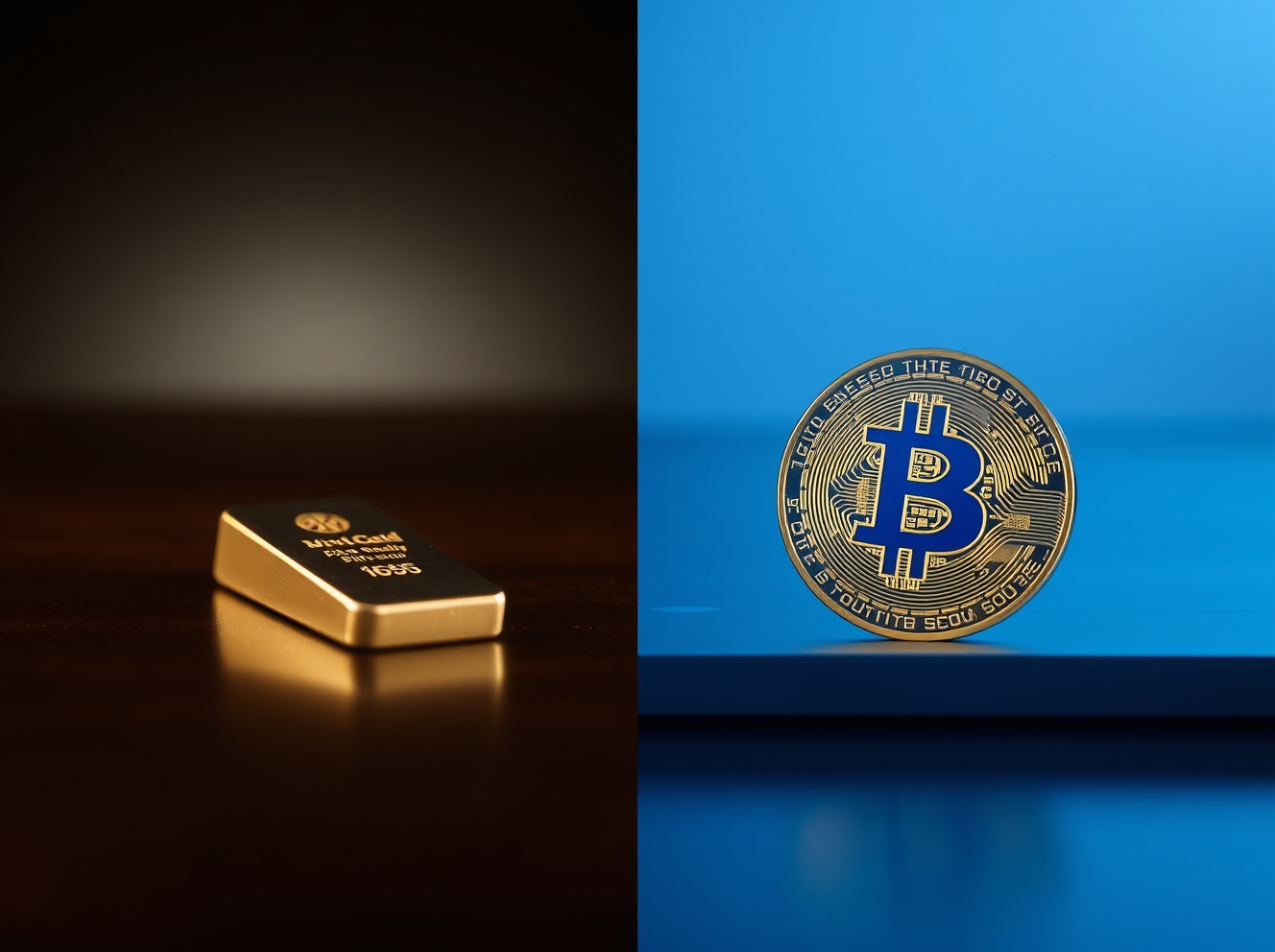
Bitcoin and gold are both struggling to break out of their recent trading ranges, even after a diplomatic truce between the United States and Iran temporarily eased geopolitical tensions. As of early this week, Bitcoin remains stuck below the $70,000 mark, while gold hovers around $2,350 per ounce, failing to capitalize on what many analysts expected to be a clear catalyst for safe-haven demand.
Why the Truce Failed to Ignite Safe-Haven Assets
The US-Iran truce, announced over the weekend, reduced the immediate risk of a broader Middle Eastern conflict. Historically, geopolitical de-escalation tends to reduce demand for safe-haven assets like gold and, increasingly, Bitcoin. However, the muted price action suggests that markets are already pricing in a prolonged period of uncertainty, with neither asset gaining enough momentum to break out of established ranges.
Gold, which typically rallies during geopolitical crises, saw only a brief uptick before settling back into its multi-week consolidation zone. Bitcoin, often touted as digital gold, showed a similar pattern, with a short-lived price spike that quickly faded. This behavior indicates that traders are waiting for clearer signals on inflation, interest rates, and broader economic stability before committing to directional bets.
Market Context and Investor Sentiment
The lack of momentum comes amid a complex macroeconomic backdrop. Persistent inflation concerns, mixed signals from the Federal Reserve on future rate cuts, and ongoing regulatory debates around cryptocurrencies are all contributing to a cautious market environment. For gold, the opportunity cost of holding a non-yielding asset remains a headwind as real yields stay elevated. For Bitcoin, regulatory uncertainty and the recent cooling of ETF inflows have dampened speculative enthusiasm.
Investor sentiment, as measured by the Crypto Fear & Greed Index, remains in neutral territory, reflecting a lack of conviction. Similarly, gold ETF flows have been subdued, with neither retail nor institutional investors showing a strong inclination to increase exposure significantly.
What This Means for Investors
The inability of both Bitcoin and gold to rally on a seemingly positive geopolitical development suggests that the market is in a wait-and-see mode. For long-term investors, this period of consolidation may present accumulation opportunities, but the lack of clear catalysts in the near term could mean continued range-bound trading. The key question remains whether the next major move will be driven by a shift in monetary policy, a new geopolitical flashpoint, or a technological breakthrough in the crypto space.
Conclusion
Despite the US-Iran truce removing a layer of geopolitical risk, both Bitcoin and gold are failing to gain meaningful upward momentum. The market appears to be focusing on other macro factors, including inflation data and central bank policy, rather than reacting strongly to headline-driven events. For now, both assets remain in a holding pattern, awaiting a more definitive catalyst to break out of their current ranges.
FAQs
Q1: Why didn’t the US-Iran truce boost Bitcoin and gold prices?
The truce reduced immediate geopolitical risk, which typically lowers demand for safe-haven assets. Markets had already priced in some level of uncertainty, and traders are now focusing on other macro factors like inflation and interest rates.
Q2: Are Bitcoin and gold still considered safe-haven assets?
Yes, both are widely viewed as hedges against economic instability and currency devaluation. However, their price movements are increasingly influenced by a broader set of factors, including monetary policy and market sentiment.
Q3: What could be the next catalyst for Bitcoin or gold?
Potential catalysts include a shift in Federal Reserve policy, a significant inflation report, a new geopolitical crisis, or regulatory developments in the cryptocurrency space. Until then, range-bound trading is likely to continue.
This post Bitcoin and Gold Struggle for Momentum Despite US-Iran Truce first appeared on BitcoinWorld.


Predictions Markets
See what traders are focused on
Share:
Predictions Markets
See what traders are focused on
Share:
Read More

Crypto Market Holds Steady: Bitcoin at $65,000 as AAVE and ONDO Gain Momentum