BONK Contributor Warns at Consensus 2026: Most Memecoins Will Not Survive
Share:
At Consensus 2026 in Miami, BONK contributor Nom warned the vast majority of memecoins lack the structural foundation to survive post-hype, likening trading new memecoins to high‑risk sports betting (crypto, memecoin, BONK). Core risks: regulatory gaps and unpreparedness for exchange listings/ETF processes on CEXs, and a broken incentive model—airdrop/points-driven growth that collapses engagement once rewards end (token launch, fundraising, security). Market impact: retail investors face heightened loss risk and a likely shakeout of weaker projects; signals need for sustainable adoption, governance, and long-term utility (DeFi, adoption).
Predictions Markets
See what traders are focused on

BitcoinWorld
BONK Contributor Warns at Consensus 2026: Most Memecoins Will Not Survive
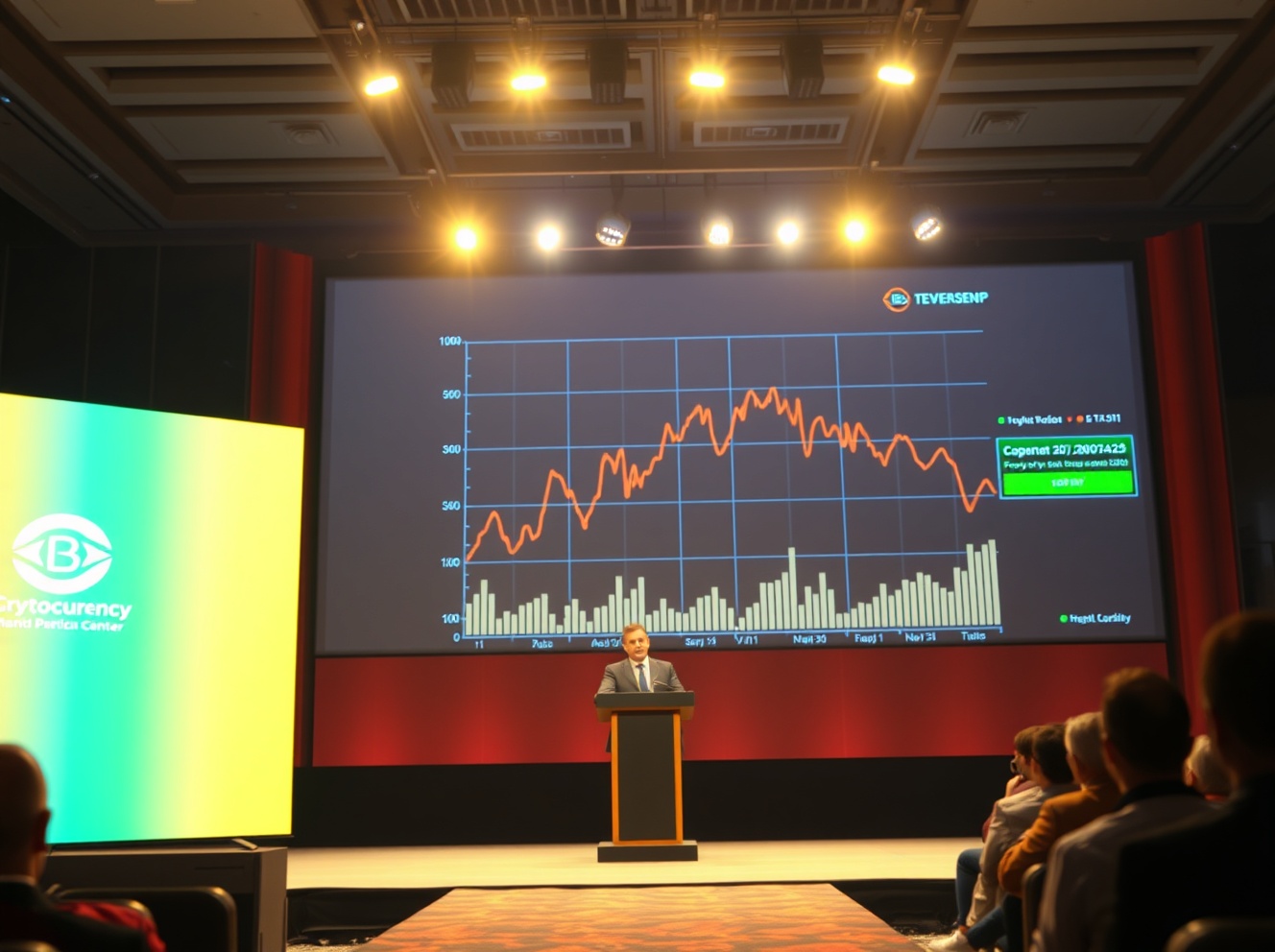
A core contributor to the Solana-based memecoin BONK has issued a stark warning about the long-term viability of most memecoins, comparing the current trading environment to high-risk sports betting. Speaking at the Consensus 2026 event in Miami, the contributor, known publicly as Nom, told attendees that the vast majority of memecoin projects lack the structural foundation needed to survive beyond their initial hype cycles.
High-Risk Comparisons and Regulatory Gaps
Nom, whose remarks were reported by CoinDesk, drew a direct parallel between trading newly launched memecoins and placing bets on sporting outcomes. The comparison underscores the speculative nature of the market, where prices often surge based on social media momentum rather than underlying utility or development. According to Nom, many projects fail to build the internal capacity required to navigate complex regulatory processes, such as securing exchange listings or filing for exchange-traded fund (ETF) applications. This lack of preparedness leaves them vulnerable to rapid value loss once initial interest fades.
The Incentive Cycle Problem
A key point in Nom’s analysis focused on what he described as a broken incentive model within the broader crypto market. He argued that many projects rely heavily on airdrops and point-based reward programs to attract short-term capital. While these tactics can generate a spike in user activity and token price, they often lead to a sharp collapse in network engagement once the incentives are removed. Nom characterized this as a cycle that prioritizes temporary liquidity over sustainable growth, leaving projects with little to show once the promotional period ends.
What This Means for Retail Investors
For everyday participants in the crypto market, Nom’s comments serve as a cautionary note about the risks associated with memecoin trading. The lack of regulatory clarity and the high failure rate of new projects mean that investors could face significant losses, particularly if they enter positions based on short-term hype. The remarks also highlight a growing concern among industry insiders that the current market structure may be unsustainable, potentially leading to a shakeout that eliminates weaker projects.
Conclusion
Nom’s assessment from Consensus 2026 adds a voice of caution from within the memecoin ecosystem itself. While BONK remains one of the more established tokens in the category, the contributor’s warning suggests that even successful projects recognize the fragility of the broader memecoin market. As regulatory scrutiny increases and investor expectations evolve, the ability of these projects to demonstrate long-term viability will likely become a defining factor in their survival.
FAQs
Q1: What did the BONK contributor say about memecoins at Consensus 2026?
Nom compared trading new memecoins to high-risk sports betting and stated that most projects lack the capacity to handle regulatory processes like exchange listings or ETF applications.
Q2: Why are airdrops and point programs a problem according to Nom?
Nom argued that these incentives attract short-term capital but lead to a collapse in network activity once the rewards are removed, creating an unsustainable cycle.
Q3: Is BONK itself at risk based on these comments?
Nom did not specifically comment on BONK’s future but used his position as a core contributor to highlight broader structural risks facing the memecoin market as a whole.
This post BONK Contributor Warns at Consensus 2026: Most Memecoins Will Not Survive first appeared on BitcoinWorld.


Predictions Markets
See what traders are focused on
Share:
Predictions Markets
See what traders are focused on
Share:
Read More
BonkDAO’s estimated $20M drain exposes how memecoin treasuries can be raided by a simple vote