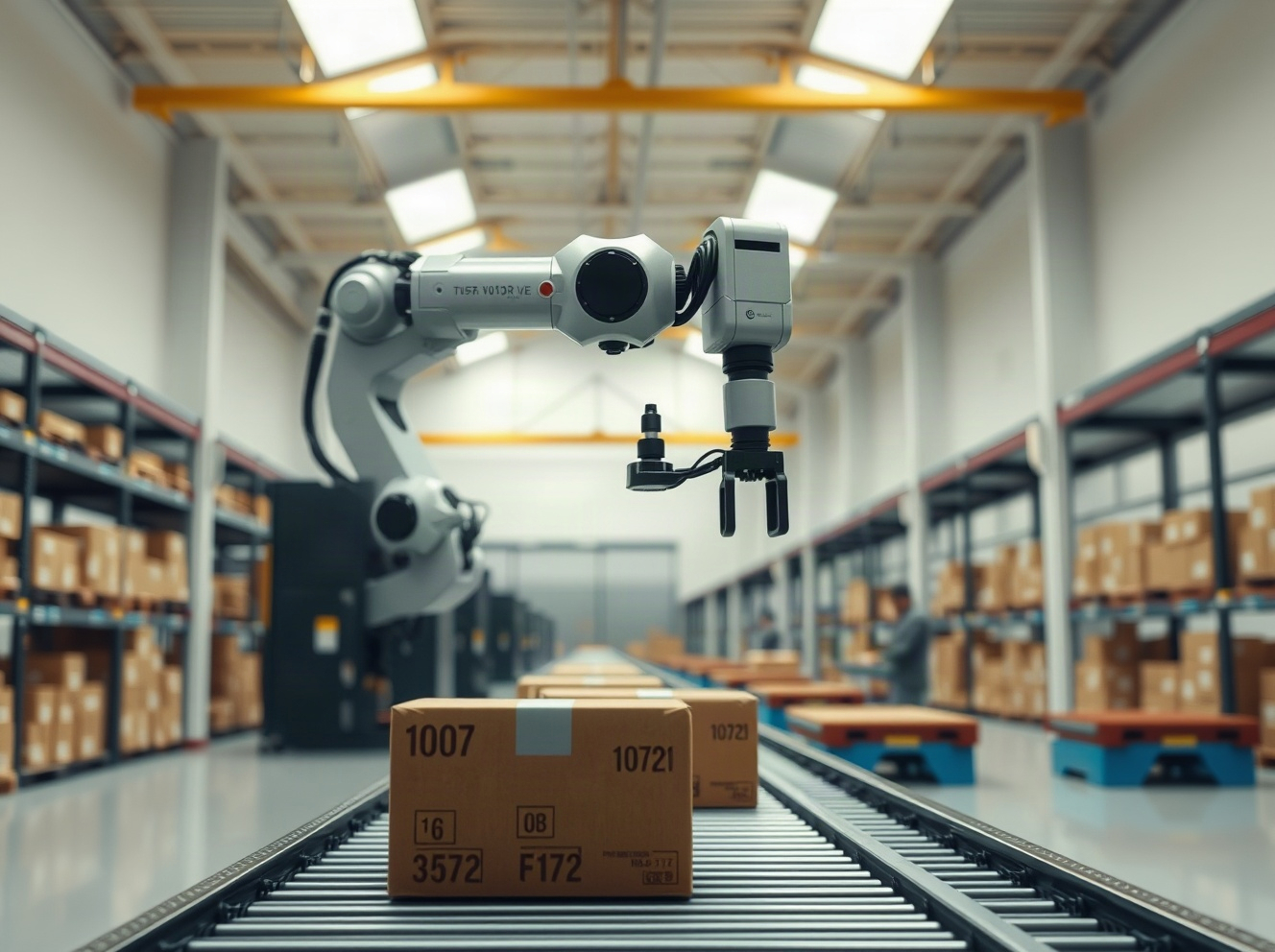
Bill Gates Proposes Robot Tax and ‘Human Reserved’ Jobs to Counter AI Displacement

Share:
On August 26, 2026 Bill Gates proposed a robot tax and legally protected 'Human Reserved' jobs to slow AI-driven labor displacement, arguing payroll taxes currently favor automation and that levies could fund retraining programs and a stronger social safety net. If adopted, the measures could reshape corporate automation incentives and the regulatory landscape for AI and tech adoption, with potential knock-on effects for crypto-related AI projects, DeFi automation, token launches and investor funding dynamics.
Predictions Markets
See what traders are focused on

BitcoinWorld
Bill Gates Proposes Robot Tax and ‘Human Reserved’ Jobs to Counter AI Displacement
Bill Gates has proposed a robot tax and the creation of ‘Human Reserved’ jobs to mitigate the labor market disruptions caused by artificial intelligence, according to an essay published on his Gates Notes blog on August 26, 2026.
Gates’ Proposal: A Tax on Automation
In the essay, Gates argues that the current tax system favors automation, as employers pay payroll taxes on human workers but can write off robot purchases as business expenses. He suggests a robot tax would slow the rush to replace human labor and generate revenue for retraining programs and a stronger social safety net.
This idea, while not new, has gained renewed attention as AI’s impact on employment becomes more pronounced. Gates’ endorsement brings significant weight to the debate, given his influence in technology and philanthropy.
Human Reserved Jobs: A Novel Concept
Gates also introduces the concept of ‘Human Reserved’ jobs, which would be legally protected from automation. These could include roles where human interaction is essential, such as delivering bad news in healthcare, or where displacement would cause undue hardship to workers who cannot easily transition to new careers.
He acknowledges that the scope of Human Reserved jobs would evolve over time and suggests a phased approach to implementing AI in certain sectors.
Why This Matters
The proposals come amid growing concerns about AI’s potential to displace workers across industries. While tech leaders like Gates have often emphasized AI’s benefits, this essay marks a more explicit acknowledgment of the need for policy interventions to manage the transition.
If adopted, such measures could reshape how companies deploy automation and influence the broader regulatory landscape for AI.
Conclusion
Gates’ essay adds a pragmatic voice to the AI policy debate, offering concrete, if contentious, ideas to address the social costs of automation. While the feasibility and details remain unclear, the proposals are likely to spark further discussion among policymakers, industry leaders, and the public.
FAQs
Q1: What is a robot tax?
A robot tax is a proposed levy on companies that replace human workers with automation, aimed at slowing job displacement and funding social programs.
Q2: What are ‘Human Reserved’ jobs?
These are roles that would be legally reserved for humans, prohibiting AI or robots from performing them, to protect jobs and preserve human-centric services.
Q3: How likely are these proposals to become law?
Currently, these are ideas proposed by Bill Gates, not formal legislation. Their adoption would require significant political and public support, which is uncertain.
This post Bill Gates Proposes Robot Tax and ‘Human Reserved’ Jobs to Counter AI Displacement first appeared on BitcoinWorld.
Predictions Markets
See what traders are focused on
Share:
Predictions Markets
See what traders are focused on
Share:
Read More

OpenAI’s official report on Hugging Face breach reveals new details and future safeguards