Currencies36855
Market Cap$ 2.41T-1.84%
24h Spot Volume$ 38.88B+5.62%
DominanceBTC55.69%-0.63%ETH9.89%+0.72%
ETH Gas0.03 Gwei
/

Drone strikes damage oil tankers in Black Sea near Russia, threatening energy trade

Drone strikes damage oil tankers in Black Sea near Russia, threatening energy trade

Share:

AI Overview

Four Greek-managed oil tankers were damaged by drone strikes in the Black Sea, raising concerns over the safety of maritime energy trade. This incident has disrupted oil exports from Kazakhstan, leading to a 35% decline in production due to logistical challenges and significant risk to critical energy infrastructure. Continued reliance on the CPC terminal exacerbates vulnerabilities in Kazakhstan's energy exports.

Bearish

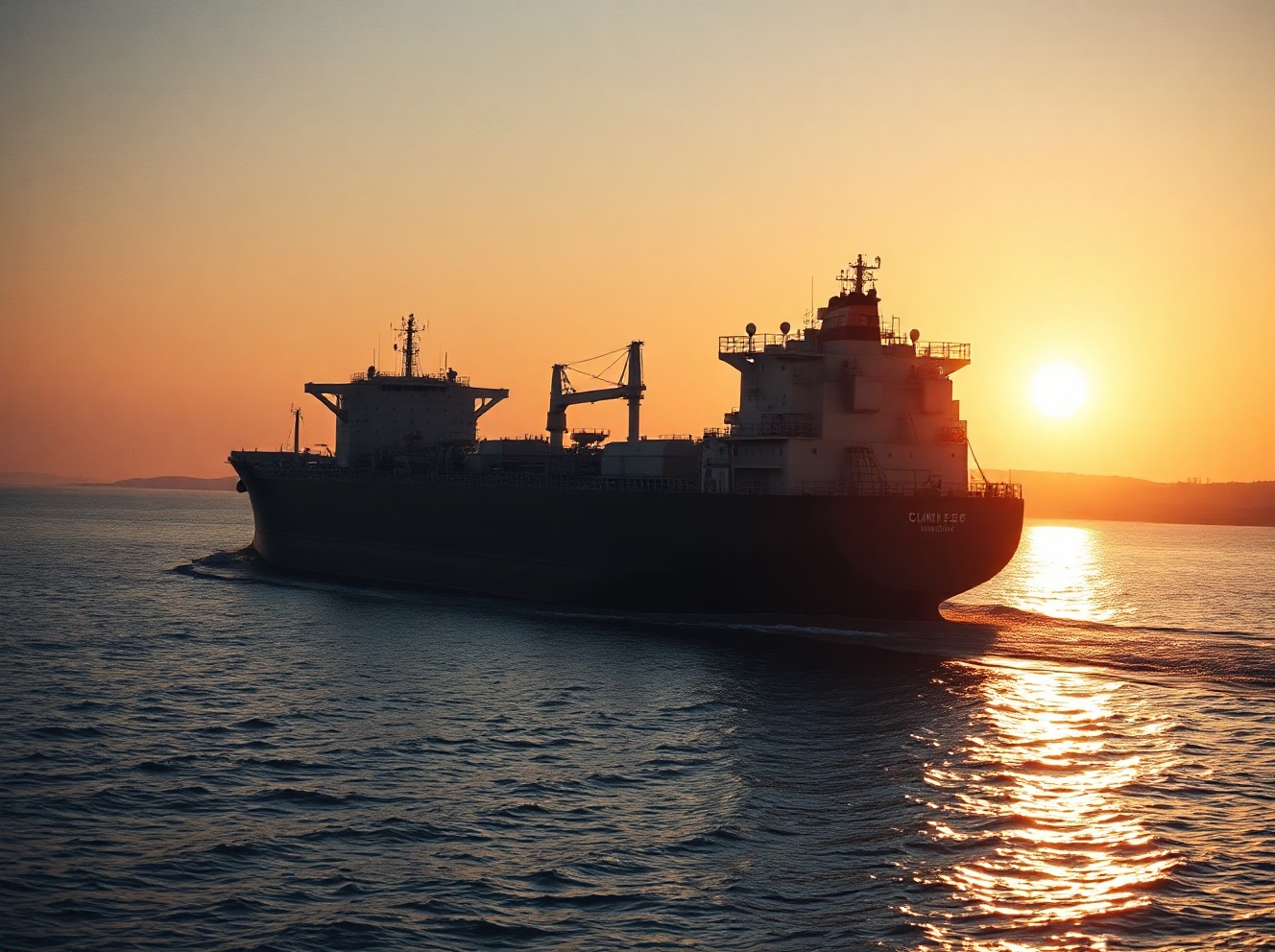
Four oil tankers, all managed by Greek interests, sustained damage from unidentified drone strikes in the Black Sea on Tuesday. 

The incident occurred while the vessels were en route to the Caspian Pipeline Consortium (CPC) terminal, situated off the Russian coast, to take on oil cargo. 

The attack has been confirmed by eight separate sources in a Reuters report. 

This strike raises significant concerns about the safety of maritime commerce and the escalating risks in the Black Sea region, particularly for vessels involved in the energy trade. 

CPC terminal vulnerability

The identity of the perpetrators and the exact nature of the damage remain unclear.

Ukraine has not yet issued a statement regarding the recent attacks, and the CPC declined to comment on the incident.

An attack by a Ukrainian drone on a key Caspian Pipeline Consortium (CPC) mooring near Novorossiysk significantly disrupted crude oil shipments on November 29. 

The port facility is crucial for exporting oil, especially from Kazakhstan.

The damage to one of the three main moorings immediately hindered the pipeline’s export capacity, leading to a noticeable drop in the volume of oil exports and consequently forcing a reduction in oil output within Kazakhstan. 

This incident underscores the vulnerability of critical energy infrastructure to geopolitical conflict and has direct economic repercussions for oil-producing nations relying on the CPC route.

Oil and gas condensate production in Kazakhstan experienced a sharp decline of 35% during the first twelve days of January compared to the average output in December, according to Reuters. 

This significant drop is primarily attributed to logistical challenges and export bottlenecks, particularly concerning constraints at the Black Sea’s terminal. 

Impact on Kazakhstan’s oil exports

Kazakhstan, a major energy producer, relies heavily on these export routes.

The disruption highlights the vulnerability of the country’s energy sector to external transportation issues, which can rapidly impact production volumes and consequently, global supply. 

The constraint at the crucial Black Sea terminal is a key factor driving this substantial reduction in the nation’s energy output.

Oil exports from Kazakhstan are continuing through one mooring, according to the country’s energy ministry on Tuesday.

Several tankers are involved in the export of Kazakh-produced oil. One vessel, the Delta Harmony, managed by Greece’s Delta Tankers, was expected to load oil from Tengizchevroil, a unit of US oil major Chevron. 

Another tanker, the Matilda, managed by Greece’s Thenamaris, was anticipated to load oil sourced from Karachaganak.

The Matilda, while waiting in ballast condition 30 miles off CPC, was struck by two drones, a Thenamaris official has confirmed in the news report.

A fire was reportedly extinguished quickly after breaking out on board a vessel, according to two sources in maritime security.

Separately, two additional oil tankers—the Freud, managed by Greece’s TMS, and the Delta Supreme, managed by Delta Tankers—were struck by drones near the CPC terminal, according to the report.

The CPC pipeline transports oil to the Yuzhnaya Ozereyevka terminal on the Black Sea, which is situated near Novorossiisk in southern Russia.

The post Drone strikes damage oil tankers in Black Sea near Russia, threatening energy trade appeared first on Invezz

Read the article at Invezz

In This News

Share:

In This News

Share:

Read More

How US tariff threats froze Cuba’s oil lifeline, and who is picking up the pieces

How US tariff threats froze Cuba’s oil lifeline, and who is picking up the pieces

Havana’s energy crunch did not begin with a new sanctions law or a blockade announcem...
Epstein files spark boardroom resignations, and the fallout is spreading

Epstein files spark boardroom resignations, and the fallout is spreading

For decades, Jeffrey Epstein’s Manhattan townhouse functioned as an unofficial annex ...

Drone strikes damage oil tankers in Black Sea near Russia, threatening energy trade

Drone strikes damage oil tankers in Black Sea near Russia, threatening energy trade

Share:

AI Overview

Four Greek-managed oil tankers were damaged by drone strikes in the Black Sea, raising concerns over the safety of maritime energy trade. This incident has disrupted oil exports from Kazakhstan, leading to a 35% decline in production due to logistical challenges and significant risk to critical energy infrastructure. Continued reliance on the CPC terminal exacerbates vulnerabilities in Kazakhstan's energy exports.

Bearish

Four oil tankers, all managed by Greek interests, sustained damage from unidentified drone strikes in the Black Sea on Tuesday. 

The incident occurred while the vessels were en route to the Caspian Pipeline Consortium (CPC) terminal, situated off the Russian coast, to take on oil cargo. 

The attack has been confirmed by eight separate sources in a Reuters report. 

This strike raises significant concerns about the safety of maritime commerce and the escalating risks in the Black Sea region, particularly for vessels involved in the energy trade. 

CPC terminal vulnerability

The identity of the perpetrators and the exact nature of the damage remain unclear.

Ukraine has not yet issued a statement regarding the recent attacks, and the CPC declined to comment on the incident.

An attack by a Ukrainian drone on a key Caspian Pipeline Consortium (CPC) mooring near Novorossiysk significantly disrupted crude oil shipments on November 29. 

The port facility is crucial for exporting oil, especially from Kazakhstan.

The damage to one of the three main moorings immediately hindered the pipeline’s export capacity, leading to a noticeable drop in the volume of oil exports and consequently forcing a reduction in oil output within Kazakhstan. 

This incident underscores the vulnerability of critical energy infrastructure to geopolitical conflict and has direct economic repercussions for oil-producing nations relying on the CPC route.

Oil and gas condensate production in Kazakhstan experienced a sharp decline of 35% during the first twelve days of January compared to the average output in December, according to Reuters. 

This significant drop is primarily attributed to logistical challenges and export bottlenecks, particularly concerning constraints at the Black Sea’s terminal. 

Impact on Kazakhstan’s oil exports

Kazakhstan, a major energy producer, relies heavily on these export routes.

The disruption highlights the vulnerability of the country’s energy sector to external transportation issues, which can rapidly impact production volumes and consequently, global supply. 

The constraint at the crucial Black Sea terminal is a key factor driving this substantial reduction in the nation’s energy output.

Oil exports from Kazakhstan are continuing through one mooring, according to the country’s energy ministry on Tuesday.

Several tankers are involved in the export of Kazakh-produced oil. One vessel, the Delta Harmony, managed by Greece’s Delta Tankers, was expected to load oil from Tengizchevroil, a unit of US oil major Chevron. 

Another tanker, the Matilda, managed by Greece’s Thenamaris, was anticipated to load oil sourced from Karachaganak.

The Matilda, while waiting in ballast condition 30 miles off CPC, was struck by two drones, a Thenamaris official has confirmed in the news report.

A fire was reportedly extinguished quickly after breaking out on board a vessel, according to two sources in maritime security.

Separately, two additional oil tankers—the Freud, managed by Greece’s TMS, and the Delta Supreme, managed by Delta Tankers—were struck by drones near the CPC terminal, according to the report.

The CPC pipeline transports oil to the Yuzhnaya Ozereyevka terminal on the Black Sea, which is situated near Novorossiisk in southern Russia.

The post Drone strikes damage oil tankers in Black Sea near Russia, threatening energy trade appeared first on Invezz

Read the article at Invezz

In This News

Share:

In This News

Share:

Read More

How US tariff threats froze Cuba’s oil lifeline, and who is picking up the pieces

How US tariff threats froze Cuba’s oil lifeline, and who is picking up the pieces

Havana’s energy crunch did not begin with a new sanctions law or a blockade announcem...
Epstein files spark boardroom resignations, and the fallout is spreading

Epstein files spark boardroom resignations, and the fallout is spreading

For decades, Jeffrey Epstein’s Manhattan townhouse functioned as an unofficial annex ...