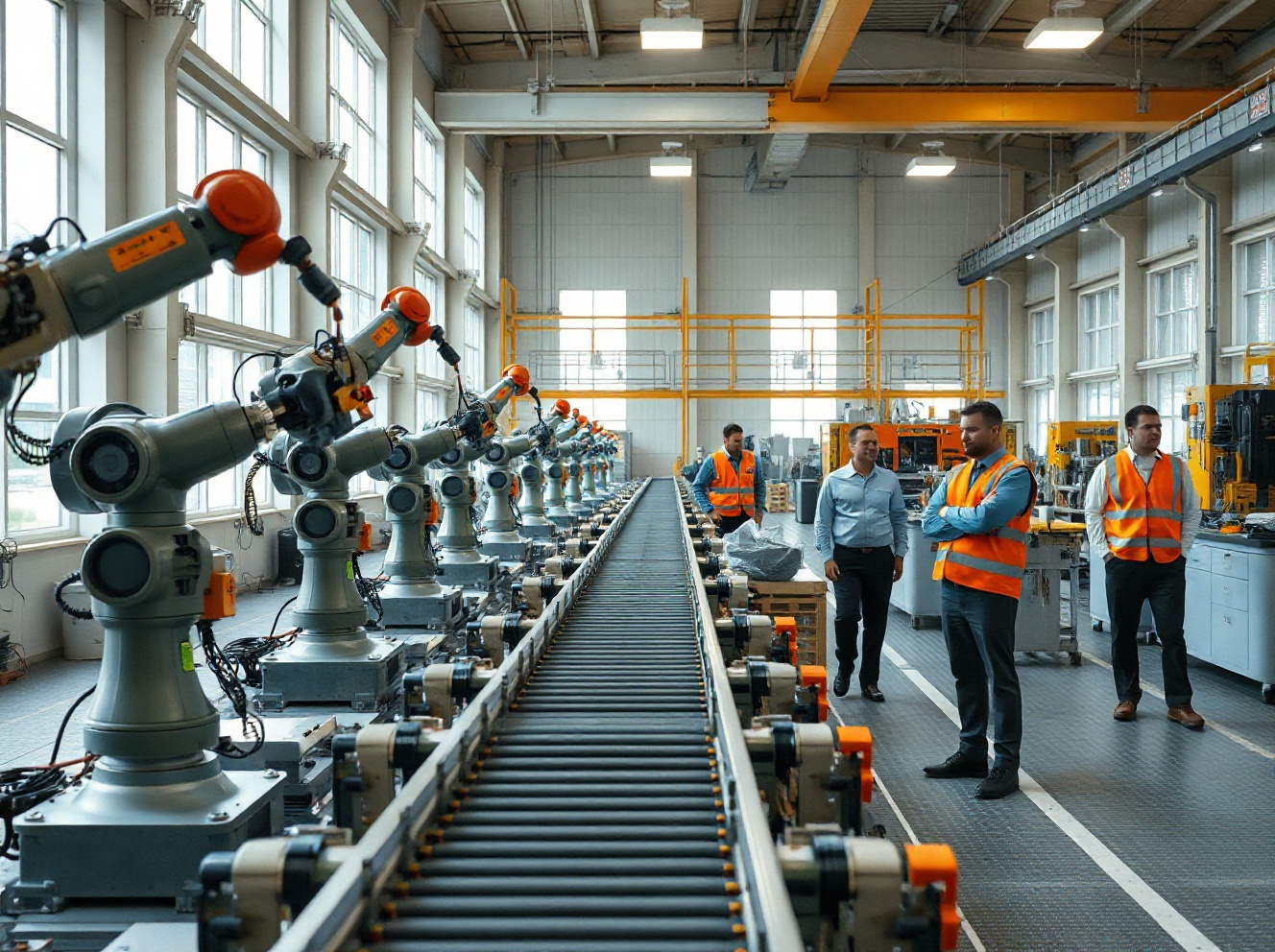
Singapore Manufacturing PMI Rises to 51.4 in July, Extending Growth Streak
Share:
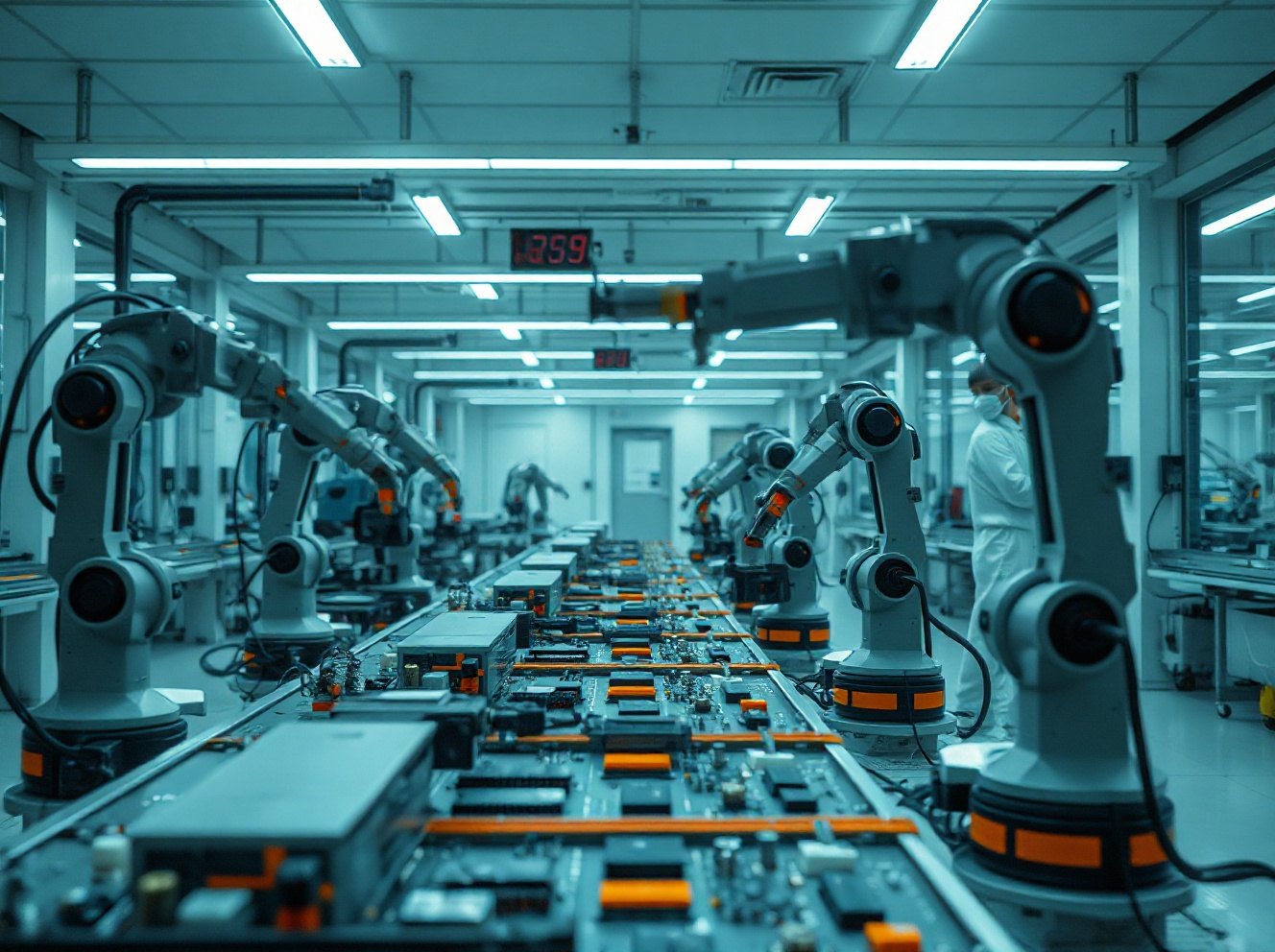
Singapore's manufacturing PMI rose to 51.4 in July from 51.3 in June, marking the third consecutive month of employment gains and continued expansion driven by electronics and semiconductor demand. With manufacturing contributing about 20% of GDP and the government forecasting 1.5-2.5% growth for 2026, the resilient PMI could ease semiconductor supply constraints for crypto mining hardware and support broader crypto adoption and infrastructure investment, though risks from supply-chain disruption and trade tensions remain.
Predictions Markets
See what traders are focused on

BitcoinWorld
Singapore Manufacturing PMI Rises to 51.4 in July, Extending Growth Streak
Singapore’s manufacturing sector continued its expansion in July, with the Purchasing Managers’ Index (PMI) rising to 51.4 from 51.3 in June, according to data released on [date]. The latest reading marks the [number] consecutive month of growth, signaling sustained resilience in the city-state’s key industrial engine.
Steady Expansion Amid Global Headwinds
The PMI, compiled by S&P Global, is a leading indicator of manufacturing health, with readings above 50 indicating expansion and below 50 indicating contraction. The July figure reflects a modest but steady improvement in operating conditions, supported by firm demand in key export markets and a continued recovery in the electronics sector.
New orders and production both expanded at a slightly faster pace than in June, according to the survey. Panelists reported sustained demand from regional markets, particularly in the electronics and precision engineering clusters. Employment in the sector also rose for the third consecutive month, suggesting that firms are confident about near-term prospects.
Key Drivers and Sector Performance
The electronics sector, which accounts for a significant share of Singapore’s manufacturing output, remained a primary growth driver. The electronics PMI also came in above the neutral threshold, reflecting robust global demand for semiconductors and related components. This aligns with the broader upcycle in the global tech cycle, which has benefited regional suppliers.
However, the overall PMI was slightly tempered by softer growth in the chemicals and biomedical manufacturing clusters. These segments faced headwinds from weaker global demand and inventory adjustments. Nevertheless, the breadth of expansion across the manufacturing sector remains positive, with the majority of sub-indices in positive territory.
What This Means for the Economy
The sustained PMI expansion is a reassuring signal for Singapore’s economy, which has shown resilience despite global uncertainties such as trade tensions and geopolitical risks. The manufacturing sector contributes about 20% of Singapore’s GDP, and its performance is closely watched by policymakers and investors.
Economists note that the PMI reading is consistent with the government’s forecast of GDP growth in the range of 1.5% to 2.5% for 2026. The data also supports the Monetary Authority of Singapore’s decision to maintain its current monetary policy stance, as the recovery remains on track without signs of overheating.
Outlook and Risks
Looking ahead, the near-term outlook for Singapore’s manufacturing sector remains cautiously optimistic. The global technology cycle is expected to continue supporting demand for electronics, while infrastructure spending in regional economies could provide additional tailwinds. However, risks persist, including potential supply chain disruptions, volatility in commodity prices, and the possibility of renewed trade protectionism.
Firms in the survey expressed optimism about the next 12 months, though sentiment was slightly less buoyant than in previous months. The PMI’s future output index remained firmly in positive territory, indicating that businesses expect continued expansion.
Conclusion
Singapore’s manufacturing PMI inched up to 51.4 in July, extending the sector’s expansion and reinforcing the economy’s resilience. While the pace of growth is moderate, the consistency of the recovery provides a solid foundation for the rest of the year. Policymakers and businesses will be watching global developments closely, but the current data suggests that Singapore’s manufacturing engine remains in good shape.
FAQs
Q1: What is the PMI and why does it matter?
The Purchasing Managers’ Index (PMI) is a survey-based economic indicator that provides a snapshot of manufacturing sector conditions. A reading above 50 indicates expansion, while below 50 signals contraction. It is closely watched because it is a timely and reliable gauge of economic health.
Q2: How does Singapore’s manufacturing PMI compare to other countries?
Singapore’s PMI is generally in line with other export-oriented economies in Asia. In July, the reading of 51.4 reflects moderate expansion, similar to trends seen in South Korea and Taiwan, though slightly below the more robust growth in Vietnam and India.
Q3: What sectors contributed to the PMI increase?
The electronics sector was the main driver, with strong demand for semiconductors and components. Other clusters such as precision engineering and transport engineering also contributed. However, chemicals and biomedical manufacturing saw softer growth, which slightly tempered the overall index.
This post Singapore Manufacturing PMI Rises to 51.4 in July, Extending Growth Streak first appeared on BitcoinWorld.

Read More
Eurozone Manufacturing PMI Edges Lower in July, Signaling Softer Growth