Philippine Peso: BSP’s Tightening Bias Persists on Inflation Risks — DBS
Share:
DBS says the Bangko Sentral ng Pilipinas has kept its policy rate steady but retains a tightening bias as headline inflation risks push forecasts toward the 2–4% 2025 target; the peso has traded around 56–57 per USD and the economy grew 5.6% in 2024 with GDP projected 5.5–6.5% for 2025. A tighter BSP could help stabilize the peso and attract portfolio inflows, but the Fed’s higher-for-longer stance and strong US dollar may still pressure emerging-market currencies and curb risk asset flows, weighing on crypto adoption, DeFi activity, CEX volumes, fundraising and token launches in the Philippines. Overall the update signals downside risk to crypto risk appetite amid higher rates and slower growth.
Predictions Markets
See what traders are focused on

BitcoinWorld
Philippine Peso: BSP’s Tightening Bias Persists on Inflation Risks — DBS
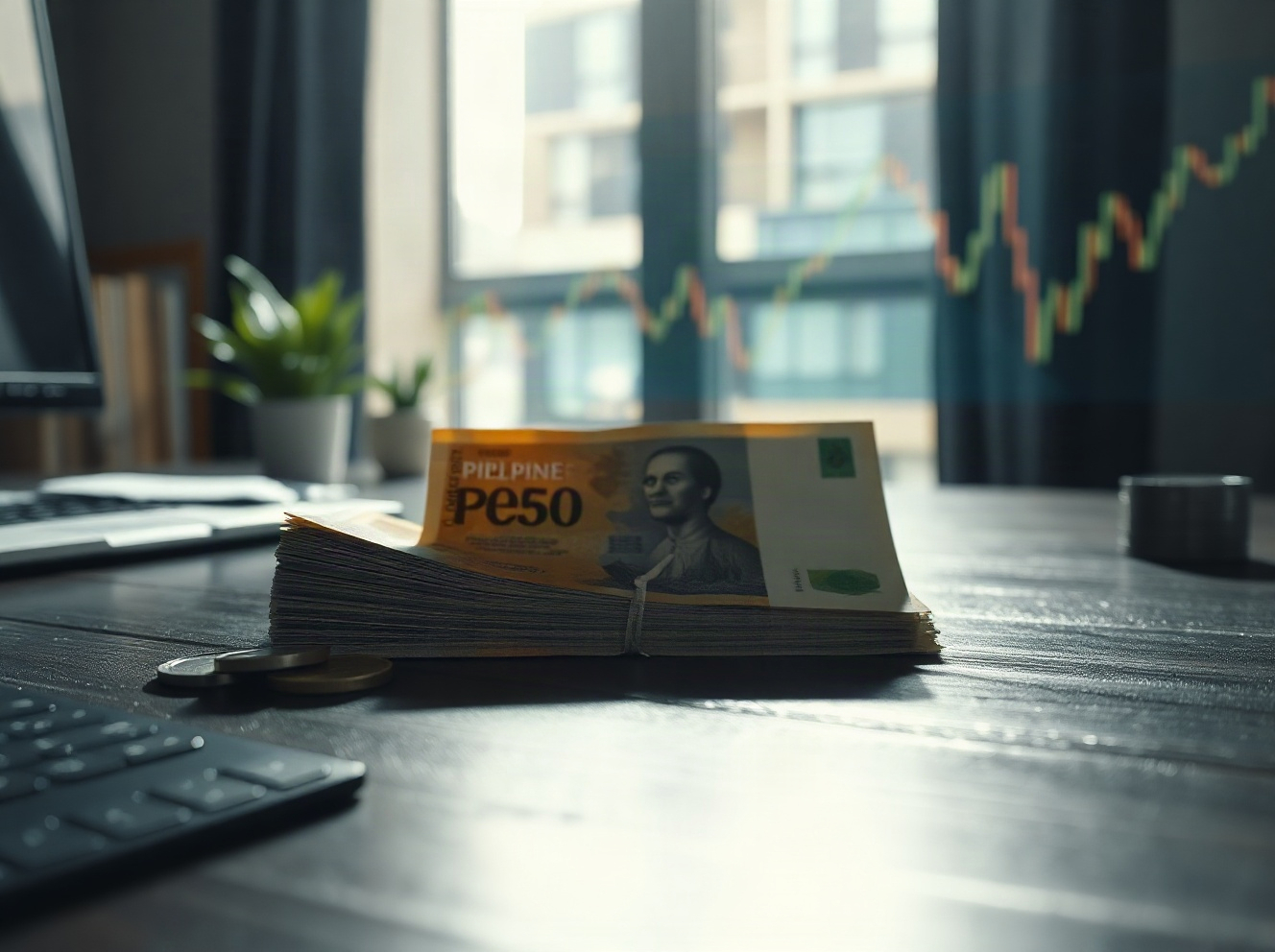
The Philippine peso is likely to remain under pressure as the Bangko Sentral ng Pilipinas (BSP) maintains a tightening bias to counter inflation risks, according to a recent analysis by DBS Bank. The assessment underscores the central bank’s cautious stance amid elevated price pressures and global economic uncertainties.
BSP’s Policy Stance and Inflation Outlook
DBS notes that the BSP has kept its policy rate steady but retains a tightening bias, signaling potential rate hikes if inflation expectations become unanchored. The central bank’s latest inflation forecasts, as of early 2025, show a slight uptick, driven by higher food and energy costs, as well as supply-side disruptions. The BSP’s target range for inflation is 2–4% for 2025, and recent data suggests the headline rate may hover near the upper bound, warranting vigilance.
The central bank has emphasized that it will adjust policy as needed to ensure price stability, with Governor Eli Remolona Jr. reiterating that the BSP stands ready to act if inflation risks materialize. This cautious approach reflects a balancing act between supporting economic growth and curbing price pressures, a challenge faced by many emerging-market central banks.
Implications for the Philippine Peso
The peso has traded around the 56–57 level against the US dollar in recent months, reflecting a mix of domestic and external factors. DBS highlights that the BSP’s tightening bias, while supportive of the currency, may not be enough to offset the impact of a strong US dollar and global monetary policy divergence. The Federal Reserve’s higher-for-longer interest rate stance continues to attract capital flows to the US, pressuring emerging-market currencies, including the peso.
However, DBS suggests that if the BSP follows through with rate hikes, it could help stabilize the peso and attract foreign portfolio investments. The bank’s analysis points to a potential narrowing of the interest rate differential between the Philippines and the US, which could reduce depreciation pressures on the currency.
What This Means for Investors and Consumers
For investors, the BSP’s tightening bias signals a commitment to price stability, which may enhance the attractiveness of Philippine assets. However, higher borrowing costs could temper economic growth and corporate earnings, particularly in interest-sensitive sectors like real estate and consumer lending. For consumers, sustained inflation and potential rate hikes mean higher loan repayments and elevated costs of goods, affecting household purchasing power.
The central bank’s actions are also crucial for the country’s fiscal position, as higher interest rates increase the cost of servicing government debt. The Philippine economy, which grew by 5.6% in 2024, is expected to moderate slightly in 2025, with growth projections around 5.5–6.5%.
Conclusion
DBS’s analysis reinforces the view that the BSP remains vigilant against inflation, with a tightening bias that could lead to further policy adjustments. The peso’s trajectory will depend on both domestic monetary policy and global market conditions. As the BSP navigates these challenges, its commitment to price stability will be key to maintaining investor confidence and supporting sustainable economic growth.
FAQs
Q1: What is the BSP’s current monetary policy stance?
The BSP has kept its policy rate steady but maintains a tightening bias, meaning it is prepared to raise rates if inflation pressures intensify.
Q2: How does the BSP’s tightening bias affect the Philippine peso?
A tightening bias can support the peso by attracting capital flows, but its impact may be limited by external factors like a strong US dollar.
Q3: What are the inflation forecasts for the Philippines in 2025?
The BSP targets inflation within 2–4% for 2025, with recent forecasts indicating a slight uptick due to food and energy costs.
This post Philippine Peso: BSP’s Tightening Bias Persists on Inflation Risks — DBS first appeared on BitcoinWorld.


Read More

Fed Chair Warsh’s Speech Takes Center Stage: What Markets Are Watching