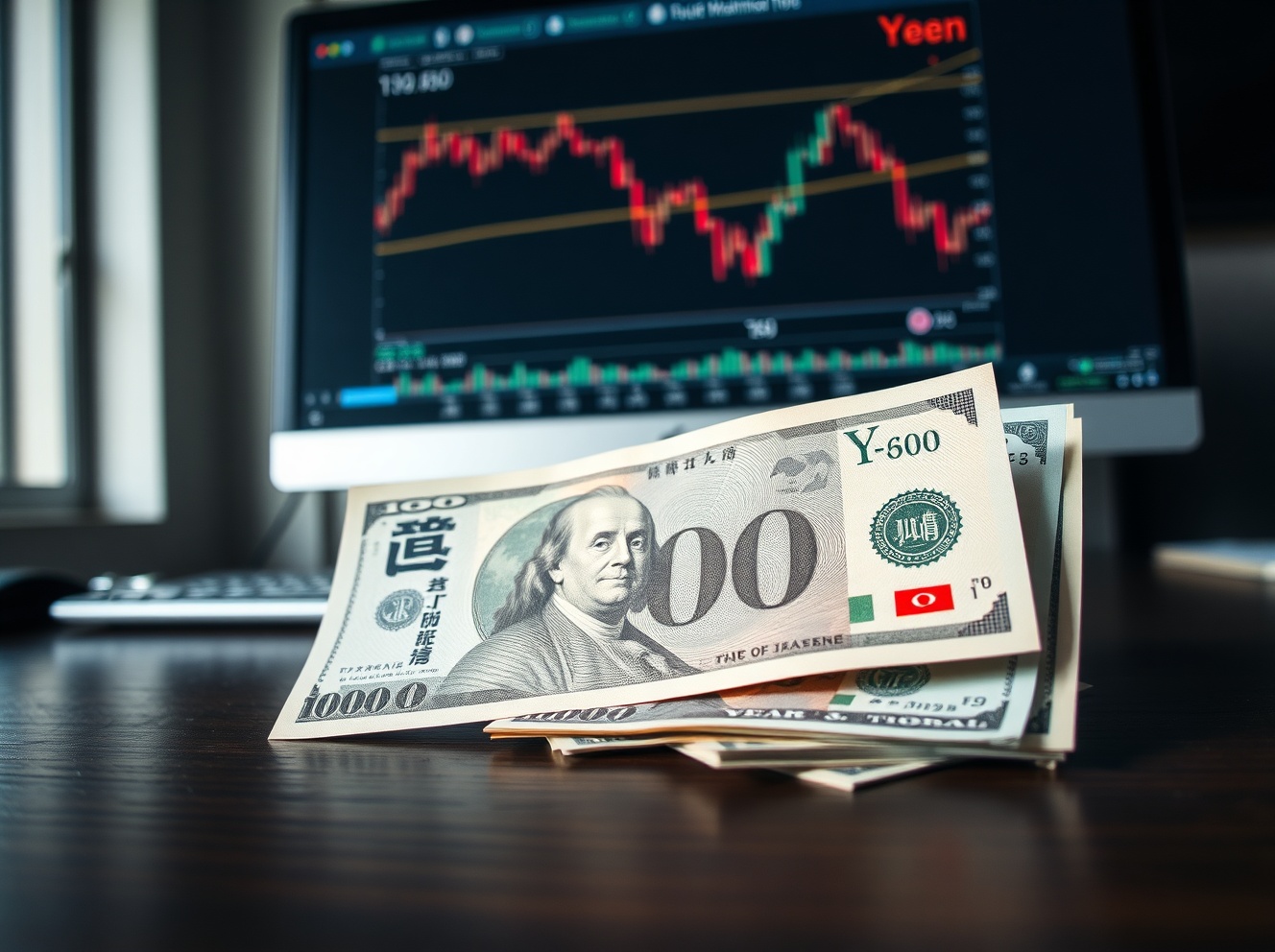
Yen Bearish Sentiment Hits Four-Year Extreme as BofA Flags Policy Uncertainty in Japan

Share:
Bank of America data shows speculative short positions on the Japanese yen at a four-year extreme, the highest since late 2020, driven by a large US–Japan interest rate gap, persistent trade deficits and the BoJ’s ultra-loose policy despite inflation above 2%. The extreme one-sided positioning raises elevated risk of a sharp yen squeeze if the BoJ signals normalization or global risk aversion increases, creating near-term FX risk and potential spillovers into risk assets and crypto markets including DeFi, CEX and DEX liquidity.
Predictions Markets
See what traders are focused on

BitcoinWorld
Yen Bearish Sentiment Hits Four-Year Extreme as BofA Flags Policy Uncertainty in Japan
Bearish sentiment on the Japanese yen has surged to its most extreme level in four years, according to a new analysis from Bank of America (BofA), as traders and investors grow increasingly uneasy about the direction of Japan’s monetary policy and the widening interest rate gap with the United States.
What the Data Shows
BofA’s latest positioning data reveals that speculative short positions on the yen have reached levels not seen since late 2020. The metric, which tracks the net positioning of leveraged funds and asset managers, indicates a deeply one-sided market view that the yen will continue to weaken against the U.S. dollar. The extreme reading reflects a confluence of factors, including expectations that the Bank of Japan (BoJ) will maintain its ultra-loose monetary policy even as other major central banks, particularly the Federal Reserve, keep rates elevated.
Why This Matters for Markets
Extreme sentiment readings in currency markets often serve as contrarian indicators. When a large majority of traders are positioned in one direction, the market becomes vulnerable to sharp reversals if new information triggers a reassessment. For the yen, the current level of bearishness raises the risk of a sudden, violent squeeze higher if the BoJ signals any shift in its yield curve control policy or if global risk sentiment deteriorates, driving demand for safe-haven currencies.
Key Drivers Behind the Bearish View
Several structural factors are underpinning the bearish consensus. First, the interest rate differential between the U.S. and Japan remains historically wide, making carry trades—borrowing in yen to invest in higher-yielding dollar assets—highly attractive. Second, Japan’s trade deficit has persisted, putting structural selling pressure on the yen. Third, the BoJ has so far resisted market pressure to normalize policy, despite inflation running above its 2% target for over a year.
Implications for Traders and Investors
For forex traders, the extreme positioning signals caution. While the trend has been decisively in favor of a weaker yen, the risk of a sharp correction is elevated. Any unexpected hawkish commentary from BoJ Governor Kazuo Ueda or a shift in the U.S. economic outlook could trigger rapid position unwinding. For Japanese importers and multinational corporations, the weak yen continues to squeeze profit margins, though exporters benefit from the competitive currency.
Conclusion
The four-year extreme in yen bearishness, as flagged by BofA, underscores the deep market conviction that the yen’s weakness has further to run. However, the very extremity of this positioning introduces a significant risk of reversal. Investors and traders should remain alert to policy signals from Tokyo and economic data from Washington that could alter the trajectory. The yen remains one of the most policy-sensitive currencies in the world, and the current market consensus may be tested in the weeks ahead.
FAQs
Q1: What does a four-year extreme in yen bearishness mean?
It means that speculative traders have placed more bets against the yen than at any point in the last four years, indicating a strong consensus that the yen will weaken further.
Q2: Why is the yen so weak against the dollar?
The primary reason is the large interest rate gap between the U.S. Federal Reserve’s high rates and the Bank of Japan’s ultra-low rates, which makes holding dollars more attractive than holding yen.
Q3: Could the yen suddenly strengthen?
Yes. Extreme bearish positioning makes the yen vulnerable to a short squeeze if the BoJ surprises markets with a policy change or if global risk aversion drives safe-haven buying.
This post Yen Bearish Sentiment Hits Four-Year Extreme as BofA Flags Policy Uncertainty in Japan first appeared on BitcoinWorld.


Predictions Markets
See what traders are focused on
Share:
Predictions Markets
See what traders are focused on
Share:
Read More

Yen Surges on Japan Policy Shift Signals, Dollar Edges Toward Marginal Weekly Gain