South African Rand Faces Headwinds as SARB Holds Rates, Commerzbank Warns
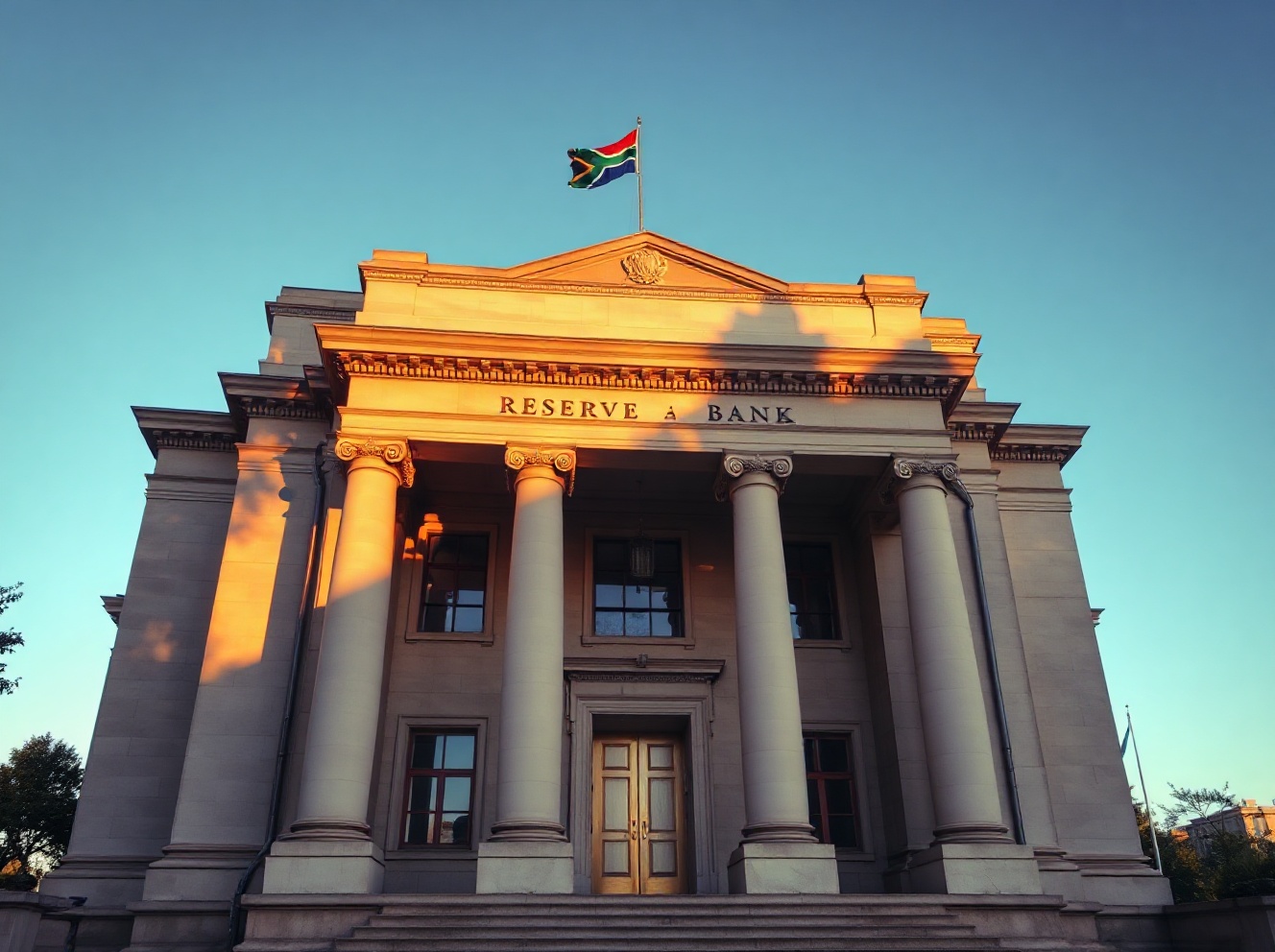
Share:
Commerzbank warns the South African rand will remain under pressure after the SARB held interest rates, a move widely expected but one that delays easing despite cooling inflation and keeps South Africa's rate differential with the US narrow; persistent US dollar strength and domestic logistics, energy and fiscal issues compound downside risk. Ahead of the SARB meeting in late May, investors should expect higher volatility that raises import costs and alters export competitiveness, while crypto and DeFi businesses in South Africa may face disrupted capital flows, higher funding costs and changing adoption dynamics.
Predictions Markets
See what traders are focused on

BitcoinWorld
South African Rand Faces Headwinds as SARB Holds Rates, Commerzbank Warns
The South African rand is likely to remain under pressure after the South African Reserve Bank (SARB) kept interest rates unchanged, according to a note from Commerzbank analysts on Thursday. The decision, widely expected by markets, delays the prospect of policy easing that could support economic growth, while global headwinds continue to weigh on the currency.
Why the rate hold matters for the rand
Commerzbank strategists argue that the SARB’s decision to hold rates, despite inflation showing signs of cooling, leaves the rand vulnerable to external shocks. The bank’s analysts point out that the delayed easing cycle means South Africa’s interest rate differential with the US and other major economies remains narrow, reducing the appeal of rand-denominated assets for carry traders.
The central bank has prioritized containing inflation, which remains within its target range but above the midpoint. This cautious stance, while supportive of price stability, does little to counter the negative sentiment driven by global risk aversion and domestic structural challenges.
Global and domestic factors compounding pressure
The rand’s trajectory is also tied to broader emerging market dynamics. Persistent strength in the US dollar, driven by resilient US economic data and delayed Federal Reserve rate cuts, has been a persistent drag on EM currencies. Additionally, South Africa faces its own set of issues, including logistics bottlenecks in rail and ports, energy supply uncertainties, and fiscal concerns, which collectively undermine investor confidence.
Commerzbank’s note highlights that without a clear catalyst for improvement, the rand could test weaker levels against the dollar in the coming months. The bank’s forecast suggests that the currency will remain sensitive to shifts in global risk appetite and any surprises in domestic data.
What this means for investors and businesses
For importers and exporters, a weaker rand raises the cost of imported goods and fuels inflation, while potentially boosting the competitiveness of local exports. However, the uncertainty around the currency’s path complicates long-term planning. Investors with exposure to South African assets should monitor both SARB communications and global monetary policy signals closely.
The SARB’s next meeting is scheduled for late May, and markets will be watching for any change in tone that could signal a shift toward easing. Until then, the rand is likely to trade with a cautious, defensive bias.
Conclusion
In summary, the SARB’s rate hold, while prudent on inflation, does little to support the rand in the current environment. With global headwinds and domestic challenges persisting, the currency faces a challenging period ahead. Investors and businesses should remain vigilant and factor in potential volatility in their planning.
FAQs
Q1: Why did the SARB hold interest rates?
The SARB held rates to prioritize inflation control, as inflation remains within its target range but above the midpoint. The central bank is cautious about easing prematurely, given global uncertainties and domestic risks.
Q2: How does the rate decision affect the rand?
The hold delays potential yield advantages for foreign investors, reducing demand for rand assets. This, combined with a strong US dollar and domestic challenges, puts downward pressure on the currency.
Q3: What should investors watch next?
Investors should monitor the SARB’s next meeting in May for any shift in tone, along with US Federal Reserve policy signals and domestic data releases such as GDP and inflation figures.
This post South African Rand Faces Headwinds as SARB Holds Rates, Commerzbank Warns first appeared on BitcoinWorld.


Read More

NZD Outlook: Jobs Data and RBNZ Rate Path – ING Analysis