Forced sovereign gold sales seen as catalyst for next bull run: expert

Share:
Forced sovereign gold sales in 2026, triggered by the Strait of Hormuz energy shock, were tactical liquidity moves by central banks rather than a loss of confidence, and analysts say this liquidation could catalyze a new gold bull run as policy shifts toward dovish easing into 2027. Experts point to structural underinvestment in commodities, China’s steady bullion accumulation and a cleansing of speculative froth that should reinforce gold as monetary insurance and reshape reserve and asset allocation decisions, with potential implications for crypto adoption and DeFi/CEX strategies.
Predictions Markets
See what traders are focused on

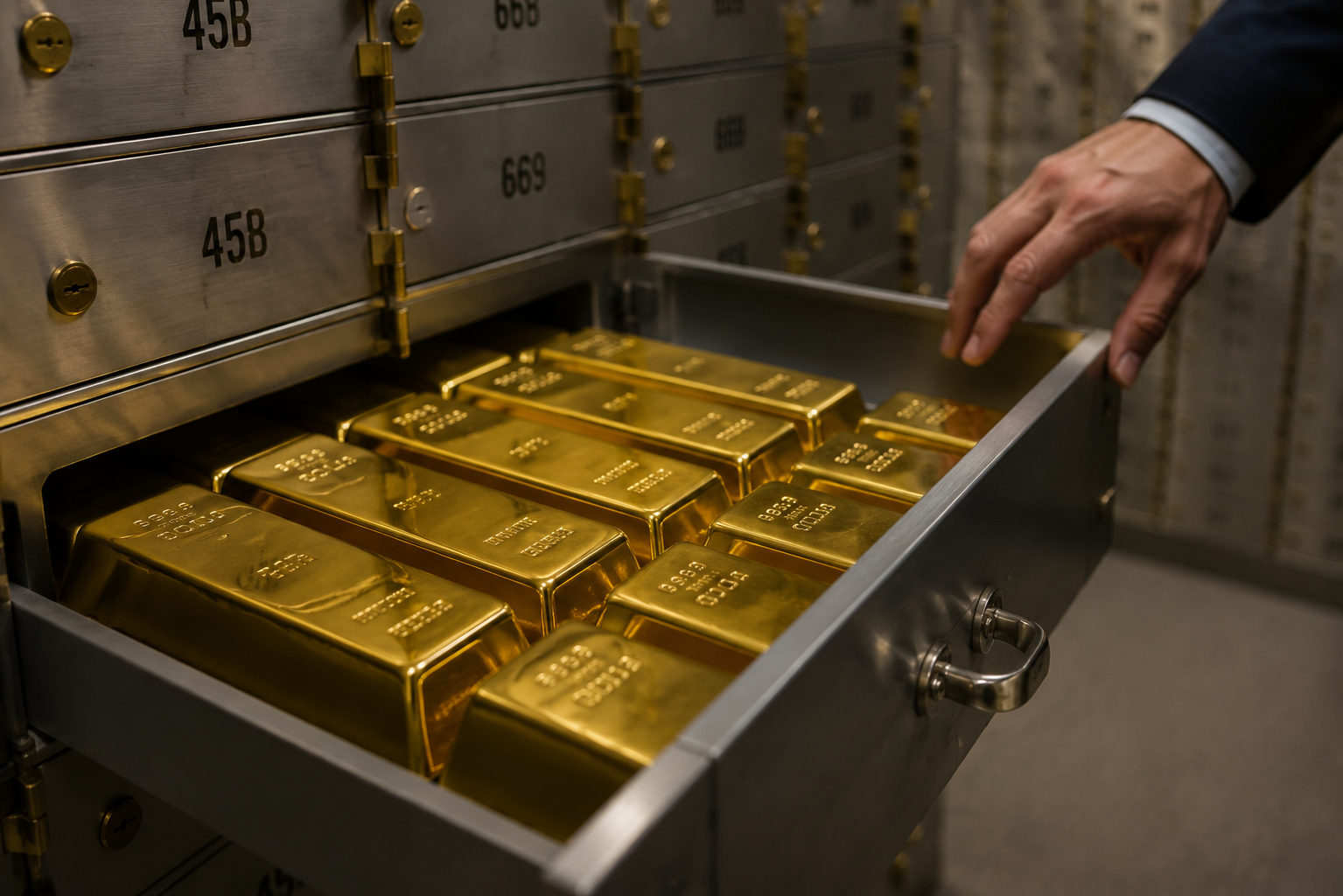
Gold’s forced sovereign liquidations may pave the way for the next great bull run, according to Stephen Innes of SPI Asset Management, who told Kitco News that recent sales were driven by emergency liquidity needs rather than a loss of confidence in bullion.
The selloff, triggered by the Strait of Hormuz crisis, rattled investors who feared central banks were abandoning the yellow metal.
Yet analysts argue the disposals were tactical, not ideological, and could ultimately strengthen gold’s long‑term case.
Panic selling in the Strait of Hormuz crisis
The outbreak of war in Iran and the closure of the Strait of Hormuz triggered a scramble for dollar liquidity across energy‑importing nations.
Innes described the selloff as “a temporary margin call from the physical world,” noting that even central banks were compelled to mobilize gold reserves to stabilise domestic economies. “Even sacred reserve assets get marched to the pawn shop window,” he said in the Kitco interview.
This wave of sovereign selling, he argued, was misunderstood by markets as a structural rejection of gold. In reality, it was an emergency measure to shore up reserves during an unprecedented energy shock.
Inflation, growth damage, policy shift
Innes outlined a familiar crisis cycle: inflation panic, growth damage, and eventually a return to dovish central bank policy.
Gold, Innes explained, tends to underperform during the initial inflation scare but thrives once policymakers realize they cannot normalize conditions without harming growth.
“The same yield curve that acted like a wrecking ball for gold during the panic phase could eventually become the metal’s biggest tailwind as traders begin positioning for easier monetary conditions into 2027,” he said.
Turkey and the mechanics of liquidation
Turkey provided a real‑world example of how reserves were mobilized to cushion domestic fallout from the oil shock.
Jeffrey Currie, a leading Wall Street strategist, had earlier identified this mechanical liquidation phase, noting that when central banks flip from buyers to forced sellers, gold temporarily loses demand.
But Innes emphasised that once growth damage forces central banks back toward accommodation, the trade resets completely.
“Forced selling is not ideological selling. It is an emergency reserve triage during an energy seizure,” he said.
Structural imbalances in the global economy
Beyond the immediate crisis, Innes pointed to deeper distortions in the global economy.
Markets spent the better part of the last decade flooding capital into the digital economy while systematically starving the physical economy of investment.
The AI revolution, he added, has only accelerated this imbalance, with tech giants deploying capital budgets rivaling sovereign economies while commodity infrastructure beneath them deteriorates.
Commodities, he argued, are “the most mispriced corner of the global macro landscape.”
Gold as monetary insurance
Innes stressed that gold’s role is evolving beyond its traditional status as an inflation hedge.
“It increasingly serves as monetary insurance in a world that is becoming structurally more fragmented, more resource‑constrained, more indebted, and more politically unstable,” he said.
Countries forced to mobilise reserves during the oil panic, he argued, now have a clearer understanding of how vulnerable fiat systems become during geopolitical disruptions and weaponized payment conflicts.
China, in particular, has long recognized this dynamic, steadily accumulating gold to insulate its reserves in a fractured global order.
A cleansing event, not collapse
The recent correction, Innes concluded, “increasingly resembles a cleansing event rather than the collapse of a secular bull market.”
Speculative froth has been burned away, leaving a structural foundation tied to sovereign diversification, underinvestment in the physical economy, geopolitical fragmentation, and the eventual return of easier monetary policy.
“Gold has always performed best when investors stop believing policymakers can fully control the consequences of the system they built,” he said.
It is the market’s oldest form of skepticism. And after the past several years of war, sanctions, inflation shocks, debt explosions, reserve weaponization, and geopolitical fragmentation, skepticism may quietly be becoming the world’s fastest‑growing asset class.
Outlook
Analysts at Kitco News suggest that the forced sovereign liquidations of 2026 may ultimately strengthen the case for gold rather than weaken it.
As central banks reassess reserve strategies and investors confront structural imbalances in the global economy, bullion could emerge as the cornerstone of a new era of monetary insurance.
For Innes, the message is clear: the selloff was not the end of gold’s bull run, but the beginning of its next chapter.
The post Forced sovereign gold sales seen as catalyst for next bull run: expert appeared first on Invezz
Predictions Markets
See what traders are focused on
Share:
Predictions Markets
See what traders are focused on
Share:
Read More

Silver Price Forecast: XAG/USD Struggles to Reclaim Momentum Below 50-Day SMA