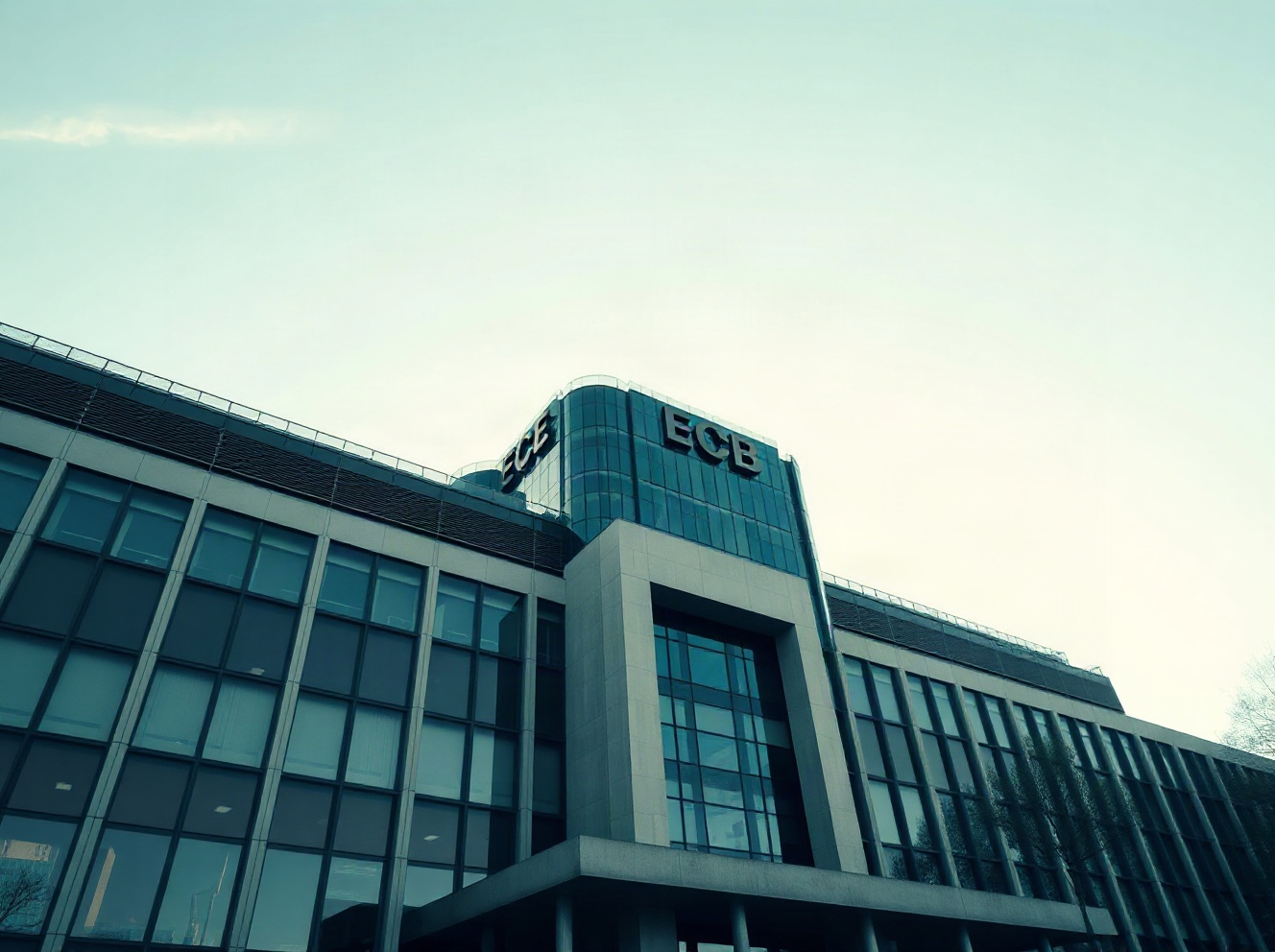
Eurozone PMIs Beat Forecasts as German Defence Spending Boosts Growth

Share:
Eurozone PMIs unexpectedly beat forecasts as German defence spending lifted activity, with composite PMI at its strongest in over a year and the euro strengthening while bond yields ticked higher as markets pared back expectations of near-term ECB rate cuts. For crypto markets, the prospect of higher-for-longer interest rates and a firmer euro is a headwind for risk assets, likely putting pressure on token prices, DeFi liquidity and CEX flows even as macro stability could modestly support longer-term adoption.
Predictions Markets
See what traders are focused on

BitcoinWorld
Eurozone PMIs Beat Forecasts as German Defence Spending Boosts Growth
The Eurozone’s Purchasing Managers’ Index (PMI) readings for the latest month exceeded market expectations, driven by a notable uptick in German economic activity as increased defence spending begins to feed through to the broader economy. The data, released on [Date], signals a modest but welcome acceleration in the bloc’s growth trajectory.
Stronger-than-Expected PMI Data
The composite PMI for the Eurozone came in at [figure], surpassing the consensus forecast of [figure] and marking the highest level in [X] months. The manufacturing sector, which has been in contraction for over a year, showed signs of stabilisation, while the services sector continued to expand at a solid pace. Germany, the bloc’s largest economy, saw its composite PMI jump to [figure], its strongest reading in over a year, as new orders and export demand improved.
Analysts attribute part of this resilience to the German government’s recent commitment to significantly increase defence spending, a policy shift announced in response to heightened geopolitical tensions. The spending boost, which includes investments in infrastructure and equipment, is beginning to flow through to domestic suppliers and manufacturers, providing a fiscal stimulus that has lifted business confidence.
Implications for the European Central Bank
The better-than-expected PMI data comes at a critical juncture for the European Central Bank (ECB), which has been navigating a delicate balance between curbing inflation and supporting growth. With inflation easing but still above the 2% target, the ECB has signalled a cautious approach to interest rate cuts. However, the stronger growth momentum could reduce the urgency for aggressive easing, giving policymakers more room to keep rates higher for longer.
Market reactions were immediate, with the euro strengthening against major currencies and bond yields ticking higher as investors adjusted their expectations for ECB policy. According to [analyst name, if available], ‘The PMI numbers suggest that the Eurozone is turning a corner, and the ECB may not need to cut rates as quickly as previously thought.’
What This Means for Businesses and Consumers
For businesses, the improving PMI data signals a more favourable demand environment, particularly in Germany, which could lead to increased hiring and investment. Consumers may benefit from a more stable economic outlook, though the pace of price growth remains a concern. The defence spending boost is also expected to create jobs in manufacturing and technology sectors, potentially easing some of the labour market pressures that have contributed to wage inflation.
Outlook and Risks
While the latest data is encouraging, economists caution that the recovery remains uneven across the Eurozone. France, Italy, and Spain have shown mixed results, and the manufacturing sector, though improving, is still operating below its long-term average. External risks, including global trade tensions and energy price volatility, could derail the nascent recovery.
The German defence spending initiative, while a significant fiscal impulse, is also subject to implementation delays and supply chain constraints. Nevertheless, the overall direction is positive, and the PMI data suggests that the Eurozone may be emerging from the stagnation that characterised much of the past year.
Conclusion
The Eurozone’s PMI outperformance, underpinned by German defence spending, provides a brighter picture for the bloc’s economy in the near term. While challenges remain, the data points to a gradual recovery that could influence ECB policy and bolster business and consumer confidence. As the situation evolves, further indicators will be closely watched to confirm the sustainability of this trend.
FAQs
Q1: What is a PMI and why is it important?
A PMI, or Purchasing Managers’ Index, is a survey-based economic indicator that provides insight into the health of the manufacturing and services sectors. A reading above 50 indicates expansion, while below 50 signals contraction. It is closely watched by investors and policymakers as an early indicator of economic activity.
Q2: How does German defence spending affect the Eurozone economy?
Increased defence spending by Germany boosts domestic demand for goods and services, particularly in manufacturing and technology. This can have a ripple effect across the Eurozone, as German imports from other member states increase, supporting overall growth in the bloc.
Q3: What does the PMI data mean for interest rates?
Stronger economic growth, as indicated by higher PMI readings, may reduce the need for the European Central Bank to cut interest rates to stimulate the economy. However, the ECB also considers inflation trends, so the exact impact on rates will depend on a range of factors, including future price developments.
This post Eurozone PMIs Beat Forecasts as German Defence Spending Boosts Growth first appeared on BitcoinWorld.

Read More

Eurozone PMI Holds Steady in April, Signaling Resilience Amid Global Unrest