India Fuel Price Hike and Inflation Dynamics: DBS Analysis
Share:
DBS warns that India’s fuel price increases, driven by global crude volatility and OPEC+ decisions, are feeding through to retail inflation via higher transport and manufacturing costs and could prompt the RBI to delay rate cuts in an election year. Higher inflation and a tighter monetary outlook may reduce domestic liquidity and risk appetite, potentially weighing on crypto adoption, DeFi and CEX trading volumes and token prices in India.
Predictions Markets
See what traders are focused on

BitcoinWorld
India Fuel Price Hike and Inflation Dynamics: DBS Analysis
A recent report from DBS Bank has shed light on the intricate relationship between India’s fuel price adjustments and the broader inflation dynamics affecting the economy. The analysis comes at a time when global crude oil volatility and domestic retail price revisions are closely watched by policymakers, businesses, and households alike.
Fuel Prices and Inflationary Pressures
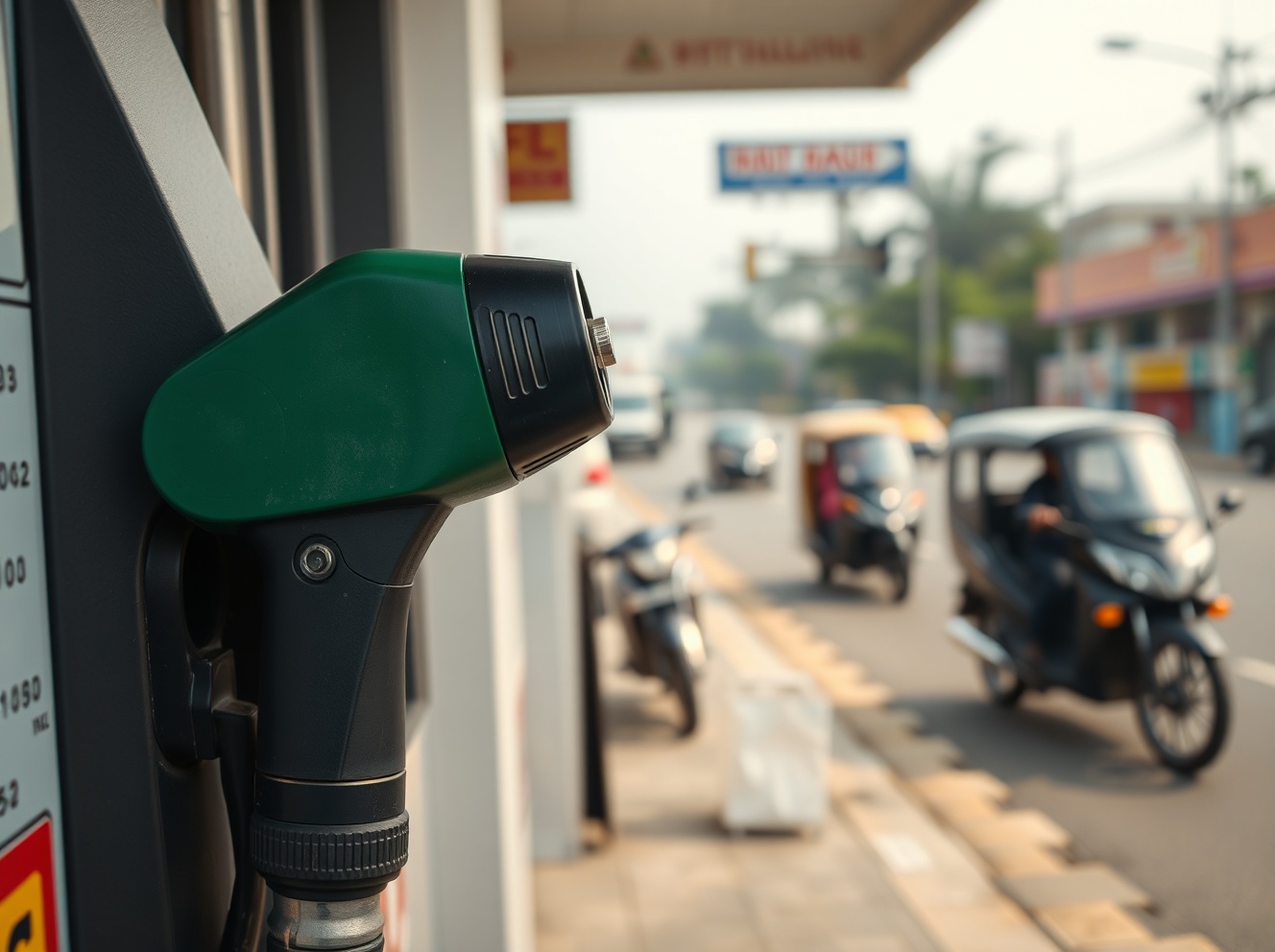
India, as a major importer of crude oil, remains sensitive to global energy price fluctuations. The DBS report highlights that even marginal increases in domestic fuel prices can have a cascading effect on transportation costs, manufacturing inputs, and ultimately, consumer prices. The central bank’s inflation targeting framework often factors in these energy-driven price shocks when setting monetary policy.
Recent data indicates that retail inflation in India has been influenced by both food and fuel components. While the government has occasionally adjusted excise duties to cushion the impact, the underlying trend points to persistent cost-push pressures. DBS analysts note that the pass-through of higher crude prices to domestic pumps remains a key variable in inflation forecasting.
Implications for Consumers and Policy
For the average Indian consumer, higher fuel prices translate directly into increased expenses for commuting and essential goods. The transport sector, which relies heavily on diesel, often passes on higher costs to end-users, affecting everything from food prices to e-commerce deliveries.
From a policy perspective, the Reserve Bank of India (RBI) must balance growth support with inflation control. The DBS report suggests that sustained fuel price hikes could delay the timeline for potential rate cuts, as the central bank prioritizes anchoring inflation expectations. This dynamic is particularly relevant in an election year, where economic sentiment plays a crucial role.
Global Context and Future Outlook
Global crude oil prices remain volatile due to geopolitical tensions and OPEC+ production decisions. India’s strategic petroleum reserves and diversification of energy sources offer some buffer, but the immediate impact on retail prices is often unavoidable. DBS expects that any further escalation in global energy costs will likely prompt a measured response from Indian authorities, possibly through a combination of fiscal measures and supply-side interventions.
The report underscores the importance of monitoring core inflation, which excludes volatile food and fuel items, to gauge underlying demand-side pressures. While fuel price hikes are largely supply-driven, their persistence can influence wage expectations and corporate pricing strategies, creating second-round effects on inflation.
Conclusion
The DBS analysis reinforces the view that India’s fuel price dynamics remain a critical input for inflation forecasting and monetary policy. For readers, understanding this linkage helps in anticipating broader economic trends, from interest rate movements to cost-of-living adjustments. As global energy markets remain uncertain, the interplay between fuel costs and inflation will continue to be a focal point for economists and investors.
FAQs
Q1: How do fuel price hikes affect inflation in India?
Fuel price increases raise transportation and production costs, which are passed on to consumers, contributing to higher retail inflation. This is especially significant in a crude-importing economy like India.
Q2: What does the DBS report say about future interest rates?
The report suggests that sustained fuel price hikes could delay potential rate cuts by the RBI, as the central bank focuses on controlling inflation expectations before easing monetary policy.
Q3: Are there any government measures to counter fuel price impact?
Yes, the Indian government has occasionally reduced excise duties and implemented supply-side measures to cushion the impact of global crude price rises on domestic consumers.
This post India Fuel Price Hike and Inflation Dynamics: DBS Analysis first appeared on BitcoinWorld.

Read More
Fed’s Williams Expresses Confidence Inflation Will Return to 2% Target