Carney Tells US to Stop the Memes as Canada Readies C$27.6B Tariff Retaliation
Share:
Canada will impose matching retaliatory tariffs on C$27.6 billion of U.S. goods on Sept. 8 after Washington imposed 50% duties on C$27.6 billion on Aug. 22, escalating a dispute that threatens integrated supply chains in autos, steel and machinery and affects $715.5 billion of bilateral trade in 2025. The heightened macro and supply-chain risk is likely to weigh on markets and Canadian crypto firms, potentially increasing demand for cross-border DeFi, stablecoins and CEX/DEX payment rails for fundraising and token launches while raising operational and regulatory security risks for adoption.
Predictions Markets
See what traders are focused on

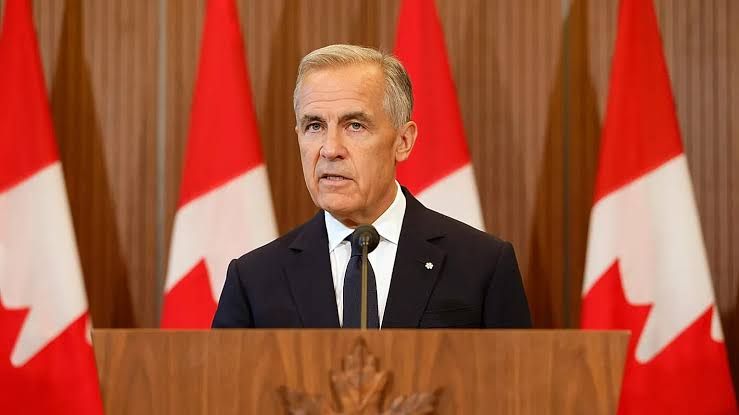
Canadian Prime Minister Mark Carney said trade negotiations with the United States can restart when Washington stops “doing memes,” stops “throwing shade” and begins treating the dispute seriously.
The unusually blunt warning came one week before Canada is scheduled to impose retaliatory tariffs on C$27.6 billion of U.S. goods, raising the financial stakes behind a remark that quickly spread across social media.
“We can start having discussions when the Americans stop doing memes, stop throwing shade, stop trying to be tough and start being serious,” Carney told reporters Tuesday.
Carney nevertheless left the door open to an agreement, saying Canada remains prepared to negotiate a mutually beneficial arrangement that respects its sovereignty. Reuters confirmed the remarks and the wider context.
Trump’s Canada Memes Add to a Real Trade BreakdownCarney was responding after President Donald Trump proposed renaming Lake Ontario “Lake America,” described Canadian officials as among the worst leaders he deals with and posted an AI-generated image of Canadian geese with Trump-style hair marching beneath a U.S. flag.
Those posts followed the collapse of negotiations on Aug. 21. Ottawa said American negotiators introduced unacceptable last-minute demands, particularly involving Canada’s highly integrated automotive industry.
U.S. officials dispute that account and maintain that Canada walked away from a workable deal. Carney said the proposed terms would have weakened major Canadian industries by reducing them to subsidiaries of American companies or eventually eliminating them.
The disagreement extends beyond political insults. Washington imposed 50% tariffs on approximately C$27.6 billion of Canadian products on Aug. 22, including goods that had qualified for preferential treatment under the United States-Mexico-Canada Agreement.
Canada has promised a dollar-for-dollar response.
| Measure | U.S. tariffs on Canadian goods | Canada’s countermeasures |
|---|---|---|
| Tariff rate | 50% | Matching dollar-for-dollar tariffs |
| Trade affected | C$27.6B of Canadian exports | C$27.6B of U.S. imports |
| Effective date | Aug. 22, 2026 | Sept. 8, 2026 |
| Products exposed | Wine, furniture, dairy, cement, clothing, fishing rods and hockey equipment | Steel, dairy, appliances, agricultural equipment, electronics, pulp and paper |
| Industries at risk | Canadian manufacturing, consumer goods, agriculture and retail | U.S. manufacturing, farming, technology, forestry and consumer goods |
| Wider exposure | Automakers, parts suppliers, railways and cross-border logistics | Exporters, retailers, trucking companies and integrated supply chains |
Ottawa’s official countertariff list covers U.S. steel, dairy products, household appliances, agricultural equipment, electronics, pulp and paper. The measures are scheduled to take effect at 12:01 a.m. on Sept. 8.
The approaching tariff retaliation leaves both governments with a narrow window to restart discussions.
The immediate duties affect a limited portion of the relationship, but the supply-chain risk is considerably larger. U.S.-Canada goods trade totaled an estimated $715.5 billion in 2025, including $333.6 billion of American exports and $381.9 billion of imports, according to the U.S. Trade Representative.
Automotive components, steel and machinery can cross the border several times during production. That means tariffs may accumulate through the supply chain, pressuring manufacturers, logistics companies and consumers even when the final product is not directly targeted.
A wider Trump tariff strategy has already reshaped trade with several U.S. partners. Canada’s response now tests whether political pressure can bring Washington back to negotiations before the dispute becomes more expensive.
The memes made Carney’s response viral. The more important question for businesses is whether the rhetoric ends before the tariffs begin.


Predictions Markets
See what traders are focused on
Share:
Predictions Markets
See what traders are focused on
Share:
Read More

Gemini AI Buys Google as $100K Portfolio Beats S&P 500 by 11 Points