Euro Holds Below 1.1400 Despite Strong Eurozone PMI Data
Share:
EUR/USD remained capped below the key resistance of 1.1400 despite Eurozone composite PMI beating forecasts at 51.2 in February (services 52.0, manufacturing 47.1), with near-term support at 1.1300 and the 200-day MA around 1.1220 and bank year-end targets of 1.05–1.10. Persistent US dollar strength from a hawkish Fed outlook, expected ECB rate cuts possibly from June, and political risks in France and Germany keep pressure on the euro and could weigh on risk assets and crypto markets including DeFi and token liquidity on DEX/CEX platforms.
Predictions Markets
See what traders are focused on

BitcoinWorld
Euro Holds Below 1.1400 Despite Strong Eurozone PMI Data
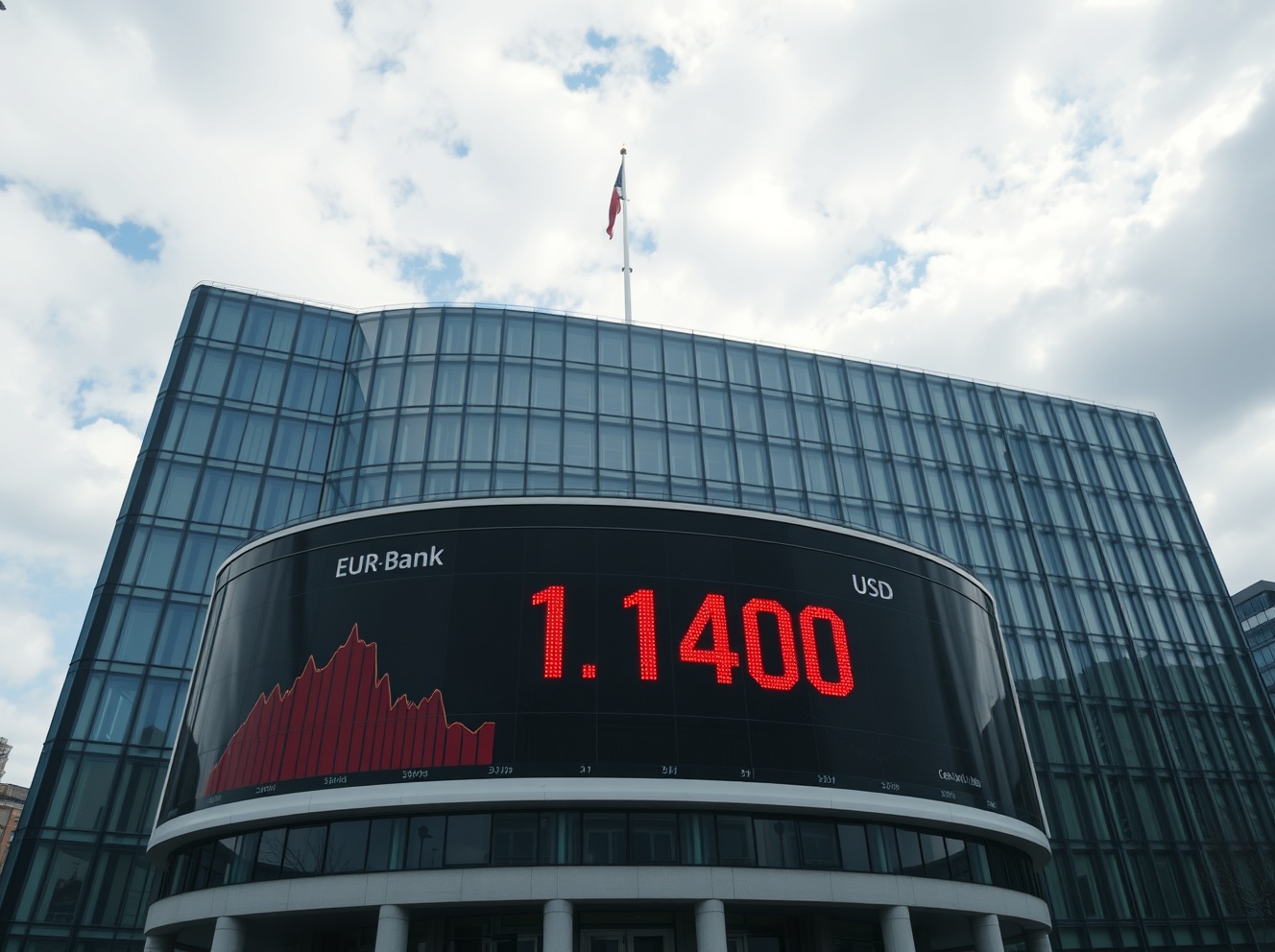
The euro remains capped below the 1.1400 mark against the US dollar as of early Tuesday, despite better-than-expected preliminary Purchasing Managers’ Index (PMI) data from the Eurozone. The single currency briefly touched session highs near 1.1380 following the release but failed to sustain momentum above the psychologically important resistance level.
Eurozone PMI Data Exceeds Forecasts
Eurozone composite PMI rose to 51.2 in February, according to preliminary figures released Tuesday, beating the consensus estimate of 50.5 and marking the first expansion in business activity since mid-2023. The services sector drove the improvement, with the services PMI climbing to 52.0 from 50.8 previously. Manufacturing, however, remained in contraction territory at 47.1, though this was an improvement from January’s 46.6.
The data suggests the Eurozone economy may be stabilizing after a prolonged period of stagnation, offering some support to the euro. However, the currency’s inability to break above 1.1400 indicates persistent headwinds.
Why the Euro Remains Capped
Several factors are limiting euro upside despite the positive PMI readings. The US dollar remains broadly supported by expectations that the Federal Reserve will maintain higher interest rates for longer than previously anticipated. Markets have largely priced out rate cuts for the first half of 2025, with Fed officials emphasizing a cautious approach to easing.
Additionally, the European Central Bank (ECB) is widely expected to begin cutting rates in the coming months, possibly as early as June, as inflation in the Eurozone has slowed more rapidly than in the US. This policy divergence weighs on the euro.
Political uncertainty in several Eurozone member states, including France and Germany, also adds to the cautious tone. Investors are reluctant to add significant euro exposure ahead of key elections and fiscal policy decisions.
Technical Resistance at 1.1400
From a technical perspective, the 1.1400 level has acted as a firm resistance zone since late January. The euro has tested this area multiple times but has failed to close above it on a daily basis. A sustained break above 1.1400 would require a clear catalyst, such as a more dovish shift from the Fed or a stronger Eurozone recovery narrative.
On the downside, support is seen at 1.1300 and then at the 200-day moving average near 1.1220. A break below these levels could open the door for a move toward 1.1100.
Market Implications for Traders
For forex traders, the euro’s inability to rally on positive data highlights the importance of broader macro factors. The PMI data provides a near-term boost but does not change the fundamental picture of a eurozone economy that is still fragile relative to the US.
Currency strategists at major banks remain broadly bearish on the euro, with year-end targets for EUR/USD ranging from 1.05 to 1.10. The PMI data may prompt some short-term repositioning but is unlikely to alter the medium-term trend unless followed by sustained improvement in hard data such as industrial production and retail sales.
Conclusion
The euro’s struggle to break above 1.1400 despite stronger Eurozone PMI data underscores the dominance of US dollar strength and monetary policy divergence in driving the pair. While the PMI readings offer a glimmer of hope for the Eurozone economy, they are not yet sufficient to overcome the headwinds facing the single currency. Traders will watch for further data releases and central bank commentary for direction.
FAQs
Q1: What is the key resistance level for EUR/USD right now?
The key resistance level is 1.1400. The euro has tested this level multiple times in recent weeks but has failed to break above it on a sustained basis.
Q2: Why did the euro not rally despite strong PMI data?
The euro’s rally was capped by ongoing US dollar strength, expectations that the Federal Reserve will keep rates higher for longer, and the likelihood of ECB rate cuts later this year. These macro factors outweighed the positive PMI surprise.
Q3: What would it take for the euro to break above 1.1400?
A sustained break above 1.1400 would likely require a clear catalyst, such as a more dovish shift from the Fed, a significant escalation in Eurozone economic recovery, or a resolution of political uncertainties in key member states.
This post Euro Holds Below 1.1400 Despite Strong Eurozone PMI Data first appeared on BitcoinWorld.

Read More

Euro Finds Support: Hawkish ECB and Strong PMI Data Limit Downside, Says BBH