Oil rises on attacks on Saudi facilities; still set for 11% weekly drop

Share:
Oil: Brent $96.43 and WTI $98.24, both headed for an ~11% weekly loss; Saudi production capacity cut ~600,000 bpd and East‑West pipeline throughput down ~700,000 bpd after attacks; Strait of Hormuz traffic <10% normal and conflict began Feb 28 despite a two‑week ceasefire this week. Crypto macro impact: renewed Gulf tensions and supply disruption raise commodity and FX volatility, likely increasing downside pressure on USD‑denominated crypto prices and market liquidity; upcoming US consumer inflation data/Fed path could strengthen the USD and further weigh on crypto, while operational and counterparty risks rise for DeFi, CEX and DEX ecosystems.
Predictions Markets
See what traders are focused on

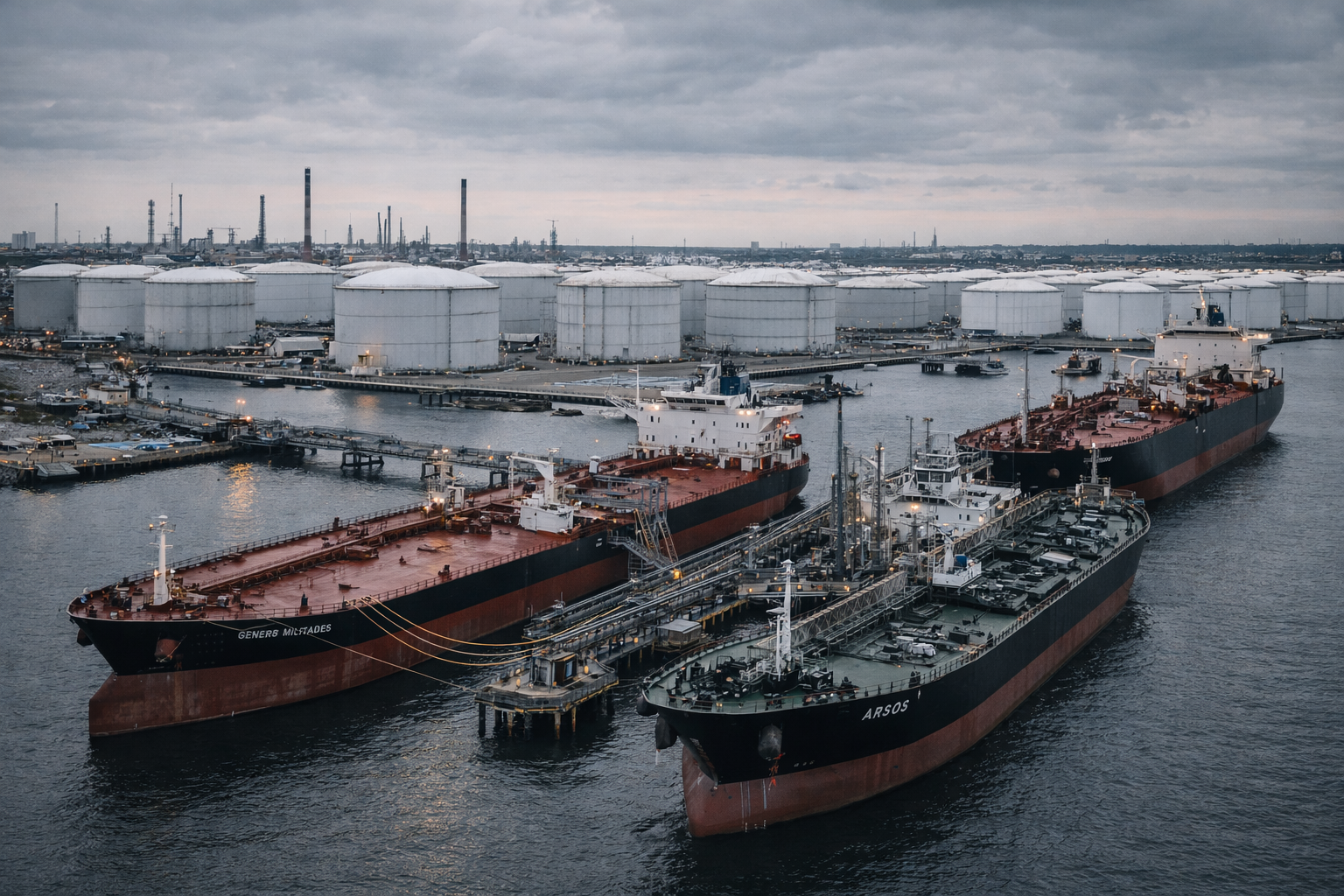
Oil prices rose on Friday morning as renewed concerns over Saudi Arabian supply and a continued chokehold on tanker traffic through the crucial Strait of Hormuz weighed on sentiment.
The fragile two-week ceasefire between the US and Iran earlier this week had eased nerves and dragged down oil prices.
This was coupled with a potential diplomatic breakthrough, as Israel indicated it was ready to enter direct talks with Lebanon immediately.
Despite Friday’s rise, both front-month Brent and West Texas Intermediate crude oil remain below $100 per barrel, and significantly below the multi-year highs hit four weeks ago.
Weekly loss and attack on facilities
Both Brent crude futures and WTI futures saw gains, adding 51 cents (0.5%) to reach $96.43 a barrel and 40 cents (0.4%) to reach $98.24 a barrel, respectively, at the time of writing.
Despite these daily gains, both contracts are currently headed for an 11% loss this week, marking their steepest weekly decline since June 2025.
According to a report from the Saudi Arabian state news agency SPA, the kingdom's oil production capacity has been reduced by approximately 600,000 barrels per day due to attacks on its energy facilities.
Additionally, the East-West Pipeline's throughput has been cut by about 700,000 bpd.
According to a Friday note from ANZ analysts, the report intensified concerns about additional oil supply disruptions.
Despite a ceasefire agreement between Iran and the US on Tuesday, fighting continued after the announcement.
Tehran exerted control by restricting ships to its territorial waters, warning traffic to comply.
As a result, ship traffic through the strait on Thursday was well below 10% of normal volumes.
Analysts suggest Pakistan will attempt to broker a lasting peace agreement but may not have the necessary influence to force the reopening of the strategic waterway.
The ceasefire has shifted market rationale, allowing futures to reset quickly as the probability of sustained disruption declines.
Return to normalcy to take time
“Yet this adjustment in futures does not translate into an immediate return to pre-conflict conditions, which is reflected in the relative strength of the physical market.”
According to reports, Iran intends to impose fees on ships traversing the strait as part of a proposed peace agreement.
This suggestion has met with opposition from Western leaders and the United Nations' shipping agency.
The conflict, which started on February 28 following air strikes on Iran by the US and Israel, has effectively closed this vital artery for the transport of oil and gas.
The diplomatic agreement, essentially, formalises the "toll booth" that traders had already anticipated that Iran controls access and transit, implementing fees and exercising selectivity over movement, Rystad Energy said.
However, tanker owners, insurers, and crews still require concrete proof that the associated risks have genuinely diminished, rather than simply being temporarily suspended.
“The market attention now shifts to the release of the latest US consumer inflation figures, which might influence expectations about the Federal Reserve's policy path and drive the US Dollar,” Haresh Menghani, editor at FXStreet said in a report.
Geopolitical developments remain the central focus; however, this trend might concurrently lend some momentum to the USD-denominated commodity.
Nevertheless, crude oil prices remain on track to register heavy weekly losses.
The post Oil rises on attacks on Saudi facilities; still set for 11% weekly drop appeared first on Invezz


Read More

Oil Prices a Key Driver in UK Inflation Scenarios, Rabobank Says