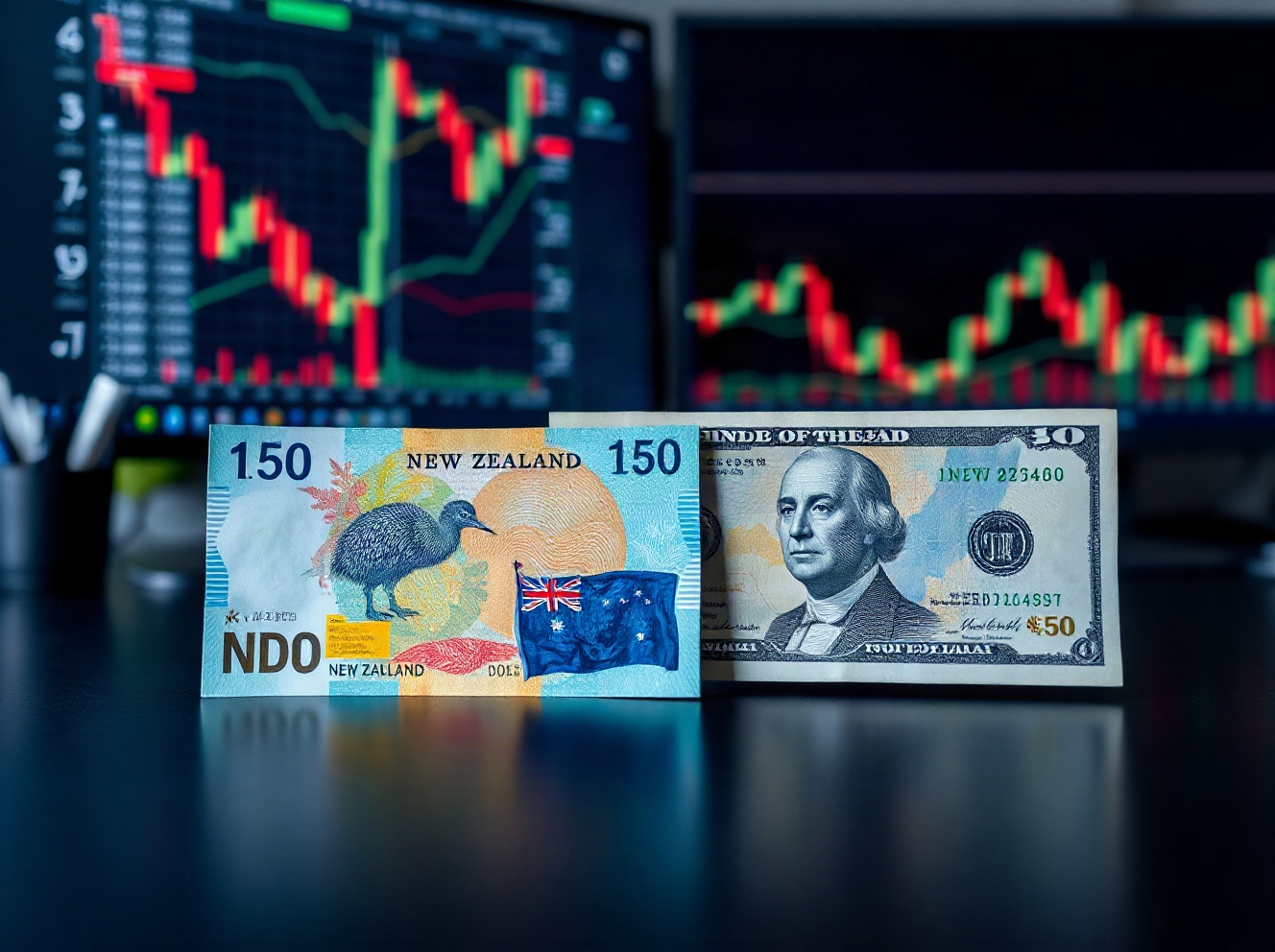
Pound Slips to Weekly Low Below 1.3600 as Dollar Strength Returns
Share:
The British pound slid to a weekly low below 1.3600 against a strengthening US dollar as markets repriced Fed policy after stronger US data, pushing up Treasury yields and lowering the odds of near-term rate cuts. A more dovish Bank of England and fragile global risk sentiment are weighing on GBP and could pressure risk assets, with potential market impact for crypto and DeFi tokens as investors favor dollar-denominated yields.
Predictions Markets
See what traders are focused on

BitcoinWorld
Pound Slips to Weekly Low Below 1.3600 as Dollar Strength Returns
The British Pound fell to a weekly low, trading below the 1.3600 mark against the US Dollar, as the greenback gathered momentum across the board. This move reflects a shift in market sentiment driven by a combination of factors, including stronger US economic data and a cautious outlook for the UK economy.
Why is the US Dollar Gaining Strength?
The recent uptick in the US Dollar is primarily attributed to a reassessment of the Federal Reserve’s monetary policy path. Following a series of resilient economic indicators, including robust employment figures and persistent inflation data, market participants have scaled back expectations for aggressive interest rate cuts this year. This has led to a rise in US Treasury yields, making the dollar more attractive to yield-seeking investors.
As of this week, futures markets are pricing in a lower probability of a rate cut at the Fed’s upcoming meetings compared to a month ago. This hawkish repricing provides a solid fundamental underpinning for the dollar’s strength, putting downward pressure on major currency pairs like GBP/USD.
What is Driving the Pound’s Weakness?
On the other side of the pair, the British Pound is facing its own set of challenges. The UK economy continues to grapple with sluggish growth and sticky inflation, which presents a difficult dilemma for the Bank of England (BoE). While inflation remains above the central bank’s 2% target, the risk of stifling economic activity makes the prospect of aggressive policy tightening or even maintaining high rates for an extended period a delicate balancing act.
Recent comments from BoE officials have been interpreted as more dovish compared to their US counterparts, suggesting a potential willingness to ease policy sooner if economic conditions deteriorate. This divergence in monetary policy outlook between the Fed and the BoE is a key driver behind the pound’s underperformance.
Technical and Market Context
From a technical standpoint, the break below the 1.3600 level is significant as it represents a key psychological barrier and a recent support zone. The move signals that the short-term momentum has shifted in favor of the sellers. Market analysts are now watching for the next support levels, while any rebound could face resistance near the recently broken level.
The broader market context is also important. Global risk sentiment, which often influences the pound due to its high-beta nature, has been somewhat fragile. Concerns about global growth and geopolitical uncertainties have led investors to favor the safe-haven dollar over riskier currencies like the pound.
What Should Traders and Investors Watch For?
The immediate focus for the currency market will be on upcoming economic data releases from both the US and the UK. Key indicators such as US inflation figures and UK GDP reports will provide fresh clues about the respective central banks’ next moves. Any surprise in these numbers could trigger significant volatility in the GBP/USD pair.
For now, the path of least resistance appears to be for a weaker pound, as long as the dollar continues to benefit from its yield advantage and the relative strength of the US economy. However, the market is highly sensitive to data revisions and central bank communication, so the outlook can change quickly.
Conclusion
The British Pound’s drop to weekly lows below 1.3600 underscores the current dominance of the US Dollar, fueled by a repricing of Federal Reserve policy. The pound’s struggles are compounded by a challenging domestic economic backdrop and a comparatively dovish Bank of England. As the market navigates these crosscurrents, upcoming economic data will be crucial in determining whether the dollar’s momentum persists or if the pound can stage a recovery.
FAQs
Q1: What does the GBP/USD exchange rate represent?
The GBP/USD exchange rate indicates how many US Dollars are needed to purchase one British Pound. A fall in the rate means the pound is weakening against the dollar.
Q2: Why does the Federal Reserve’s policy affect the British Pound?
Changes in US interest rates influence the attractiveness of dollar-denominated assets. Higher US rates can draw global capital into the US, strengthening the dollar and consequently weakening other currencies like the pound.
Q3: Is a lower GBP/USD rate good or bad for the UK economy?
A lower exchange rate can make UK exports cheaper and more competitive internationally, which can be positive for manufacturers. However, it also makes imports more expensive, which can increase inflation, a key concern for the Bank of England.
This post Pound Slips to Weekly Low Below 1.3600 as Dollar Strength Returns first appeared on BitcoinWorld.


Read More

US Dollar Resilience Rooted in Policy Reality, Says OCBC