South Korean parliamentary panel urges careful review of crypto tax repeal proposal
Share:
A National Assembly review led by senior specialist Choi Byung-kwon urged caution over a March proposal by lawmaker Song Eon-seok to repeal a planned 20% tax on digital-asset income above 2.5 million won (~$1,800), warning that reversing the policy could undermine tax credibility and spur crypto market volatility. The report highlights trade-offs between fairness and inadequate tax infrastructure, keeps regulatory uncertainty high in one of the world’s largest crypto markets, and signals further debates that may affect investor reporting obligations, adoption and market sentiment.
Predictions Markets
See what traders are focused on

BitcoinWorld
South Korean parliamentary panel urges careful review of crypto tax repeal proposal
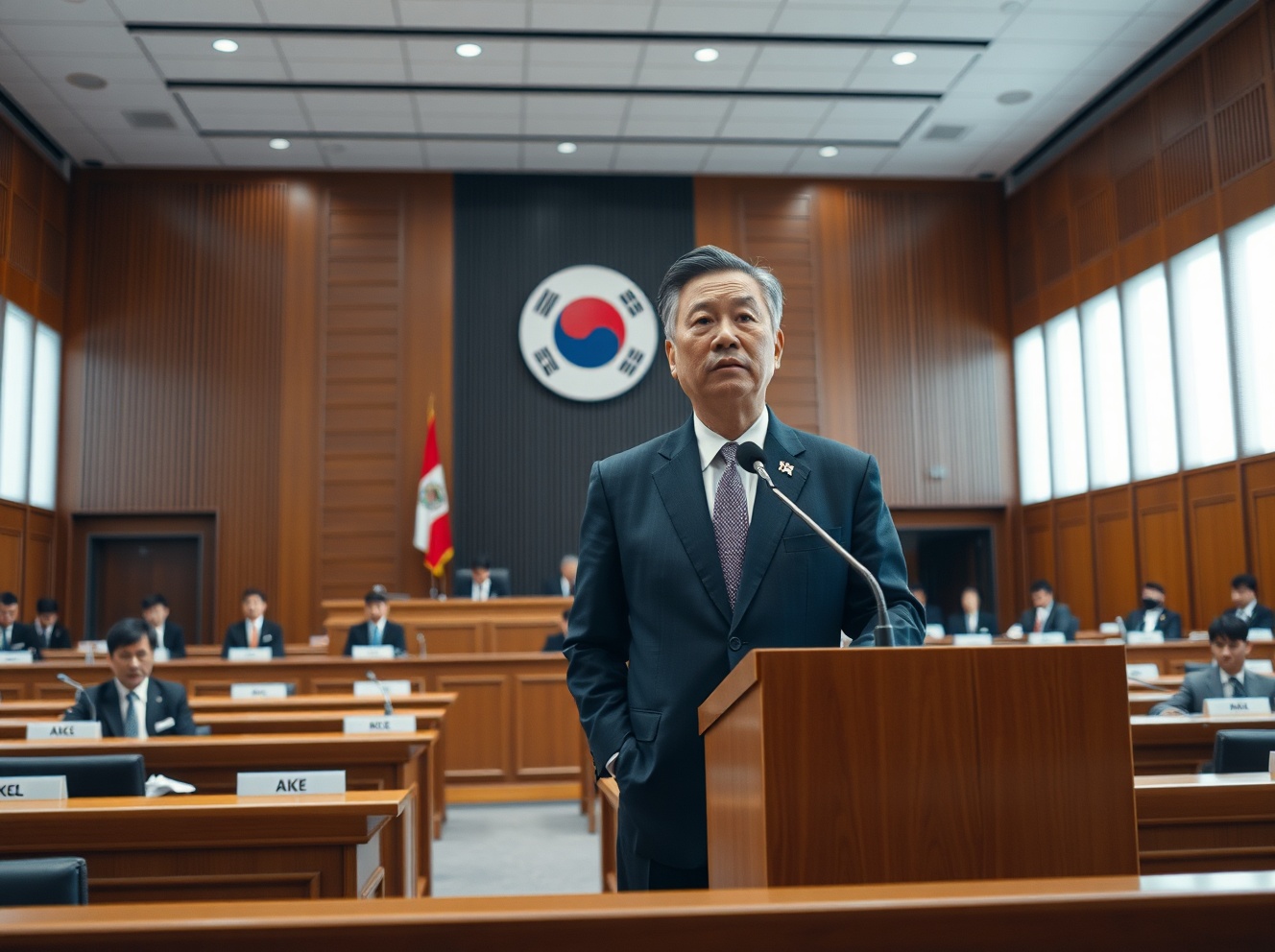
A senior specialist with South Korea’s National Assembly has recommended that lawmakers proceed cautiously with a proposal to repeal taxes on digital asset income, warning that reversing the existing tax plan could damage the credibility of tax administration and introduce market instability.
Review of proposed Income Tax Act amendment
Choi Byung-kwon, senior specialist of the National Assembly’s Fiscal and Economic Planning Committee, issued the assessment in a review report on a proposed revision to the Income Tax Act. The amendment, introduced in March by People Power Party lawmaker Song Eon-seok, seeks to abolish the planned taxation of income from digital assets such as cryptocurrencies.
In the report, Choi argued that overturning an already-decided policy to tax digital-asset income could undermine public confidence in the government’s tax policy framework. He also cautioned that abrupt policy reversals risk creating volatility in the digital asset market, which has already experienced significant price swings and regulatory uncertainty in recent years.
Arguments for and against repeal
The review acknowledged several arguments in favor of repeal, including fairness concerns linked to the parallel abolition of the financial investment income tax. Proponents of repeal have also pointed to shortcomings in the existing tax infrastructure, which critics say is not yet equipped to effectively monitor and collect taxes on digital asset transactions.
However, Choi emphasized that these considerations must be weighed against the potential consequences of reversing course. The report suggests that a hasty repeal could send mixed signals to both domestic and international investors, potentially harming South Korea’s reputation as a regulated and predictable market for digital assets.
Why this matters for investors and the market
South Korea is one of the world’s most active cryptocurrency trading markets, and its regulatory decisions often influence global sentiment. The outcome of this review could set a precedent for how other nations approach digital asset taxation. For Korean investors, the decision will directly affect whether they are required to report and pay taxes on crypto gains, and at what rate.
The parliamentary review process indicates that the debate over digital asset taxation is far from settled. Lawmakers must now balance the desire to foster innovation and fairness with the need for consistent and credible fiscal policy.
Conclusion
The National Assembly committee’s cautious stance reflects the complexity of crafting tax policy for a rapidly evolving asset class. While the repeal proposal has political support, the review underscores the importance of stability and credibility in tax administration. Further discussions and potential revisions to the Income Tax Act are expected in the coming months as lawmakers weigh the competing interests.
FAQs
Q1: What is the current status of cryptocurrency taxation in South Korea?
South Korea has planned to implement a 20% tax on digital asset income exceeding 2.5 million won (approximately $1,800) per year. Implementation has been delayed multiple times, with the current proposal seeking to repeal the tax entirely.
Q2: Who introduced the repeal proposal?
The amendment to abolish digital-asset taxation was introduced in March by People Power Party lawmaker Song Eon-seok.
Q3: What are the main concerns raised by the parliamentary review?
The review warns that repealing the tax could undermine confidence in tax policy and potentially destabilize the cryptocurrency market. It also notes that arguments for repeal, including fairness and infrastructure shortcomings, deserve consideration.
This post South Korean parliamentary panel urges careful review of crypto tax repeal proposal first appeared on BitcoinWorld.
Predictions Markets
See what traders are focused on
Share:
Predictions Markets
See what traders are focused on
Share:
Read More
South Korean Won Strengthens to Near Four-Month Highs Despite KOSPI Selloff