
Who trusts Sam Altman? Trust becomes central question as Elon Musk-OpenAI trial nears verdict
Share:
As the Elon Musk v. OpenAI trial nears a verdict, jurors focused on whether OpenAI illegally shifted from a nonprofit to a for‑profit and on CEO Sam Altman’s credibility after he acknowledged a passive equity stake via Y Combinator that conflicted with earlier testimony. The proceedings underscore a broader transparency and governance shortfall at privately held AI labs, raising regulatory and trust risks with clear parallels for crypto, DeFi, token launch, fundraising, security and adoption dynamics.
Predictions Markets
See what traders are focused on

BitcoinWorld
Who trusts Sam Altman? Trust becomes central question as Elon Musk-OpenAI trial nears verdict
The Elon Musk-OpenAI trial is heading toward a verdict, but the closing arguments this week revealed a deeper question that extends far beyond the courtroom: Who trusts Sam Altman? And more broadly, who trusts any of the AI labs now shaping the future of technology?
The trust question at the heart of the trial
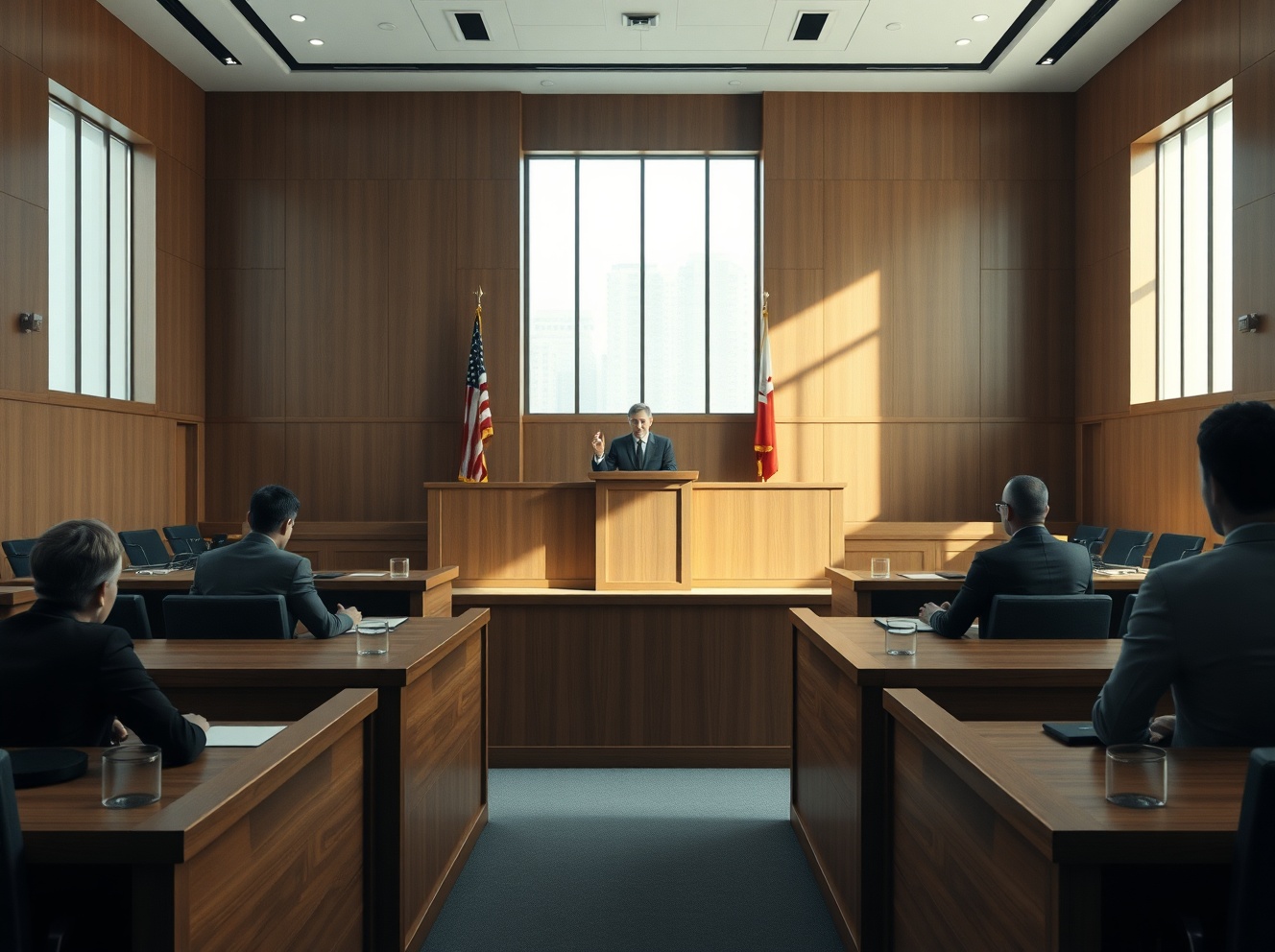
Lawyers for both sides made their final cases this week, and jurors must now decide whether OpenAI violated any laws as it transitioned from a nonprofit into a more traditional for-profit structure. But as editors on Bitcoin World’s Equity podcast discussed, the trial’s final days repeatedly circled back to the credibility of OpenAI CEO Sam Altman.
Musk’s attorney, Steve Molo, grilled Altman on the stand about statements he made during congressional testimony, particularly regarding his equity stake in OpenAI. Altman had testified that he held no equity, but it emerged that he had a passive investment through Y Combinator, the startup accelerator he once ran. Altman attempted to brush off the discrepancy by saying he assumed everyone understood what passive investment in a VC fund meant. Musk’s lawyer pushed back, questioning whether a congressman interviewing him would have known that.
Two leaders, two styles of untruthfulness
Bitcoin World’s senior editor Kirsten Korosec noted that the trial highlighted a fascinating contrast in how the two tech billionaires handle the truth. Musk has a well-documented history of making misleading or false statements on social media, but on the stand, he was combative and confrontational when correcting the record. Altman, by contrast, adopted a more affable tone, acknowledging his shortcomings and framing them as areas he is working to improve.
“Both being untruthful, but how they dealt with it was very different,” Korosec said on the podcast.
This difference in style may influence the jury, but the core facts remain. And as Korosec pointed out, the trust question isn’t limited to Altman or Musk. It applies to the entire AI industry.
A broader industry transparency problem
“This is a fundamental question for a lot of tech journalists, policymakers, and more and more consumers, about all the AI labs,” Korosec said. “It’s really come down to trust, because we don’t have the insight, necessarily — these are all privately held companies, there’s a lot behind the veil still.”
Bitcoin World’s Sean O’Kane was more blunt when asked if he trusts Altman: “I’ll say it: I don’t trust him.” He added that Musk’s motivation for the lawsuit appears to be at least partly about slinging mud at a perceived rival. “I think all these people came out of this looking a little bit worse,” O’Kane said.
Why this matters beyond the courtroom
The trial is about more than a legal dispute between two powerful figures. It exposes a structural weakness in the AI industry: the lack of transparency at privately held companies that are developing technologies with profound societal implications. Until these companies go public and face regular disclosure requirements, trust will remain a central issue — and it will be shaped by moments like this trial, where credibility is tested under oath.
Conclusion
The Musk-OpenAI trial may end with a legal verdict, but the trust question will persist. As AI labs continue to operate behind closed doors, the industry’s credibility depends on more than courtroom testimony. It depends on whether leaders like Altman and Musk can demonstrate that their intentions match their actions — and whether the public, regulators, and the press can hold them accountable.
FAQs
Q1: What is the Elon Musk-OpenAI trial about?
Musk sued OpenAI, alleging the company violated its nonprofit mission by transitioning into a for-profit structure. The trial is examining whether OpenAI breached its founding agreements and whether its leaders acted in bad faith.
Q2: Why is trust a central issue in this trial?
The trial has focused heavily on Sam Altman’s credibility, particularly statements he made under oath and in congressional testimony about his financial interests in OpenAI. Musk’s legal team has used these statements to argue that Altman is not trustworthy.
Q3: What does this mean for the broader AI industry?
The trial highlights a lack of transparency at privately held AI companies, raising questions about how the public and policymakers can trust claims made by these firms about safety, mission, and governance. It underscores the need for clearer oversight and disclosure standards.
This post Who trusts Sam Altman? Trust becomes central question as Elon Musk-OpenAI trial nears verdict first appeared on BitcoinWorld.


Read More

Apple Files Lawsuit Against OpenAI, Alleges Systematic Trade Secret Theft by Former Employees