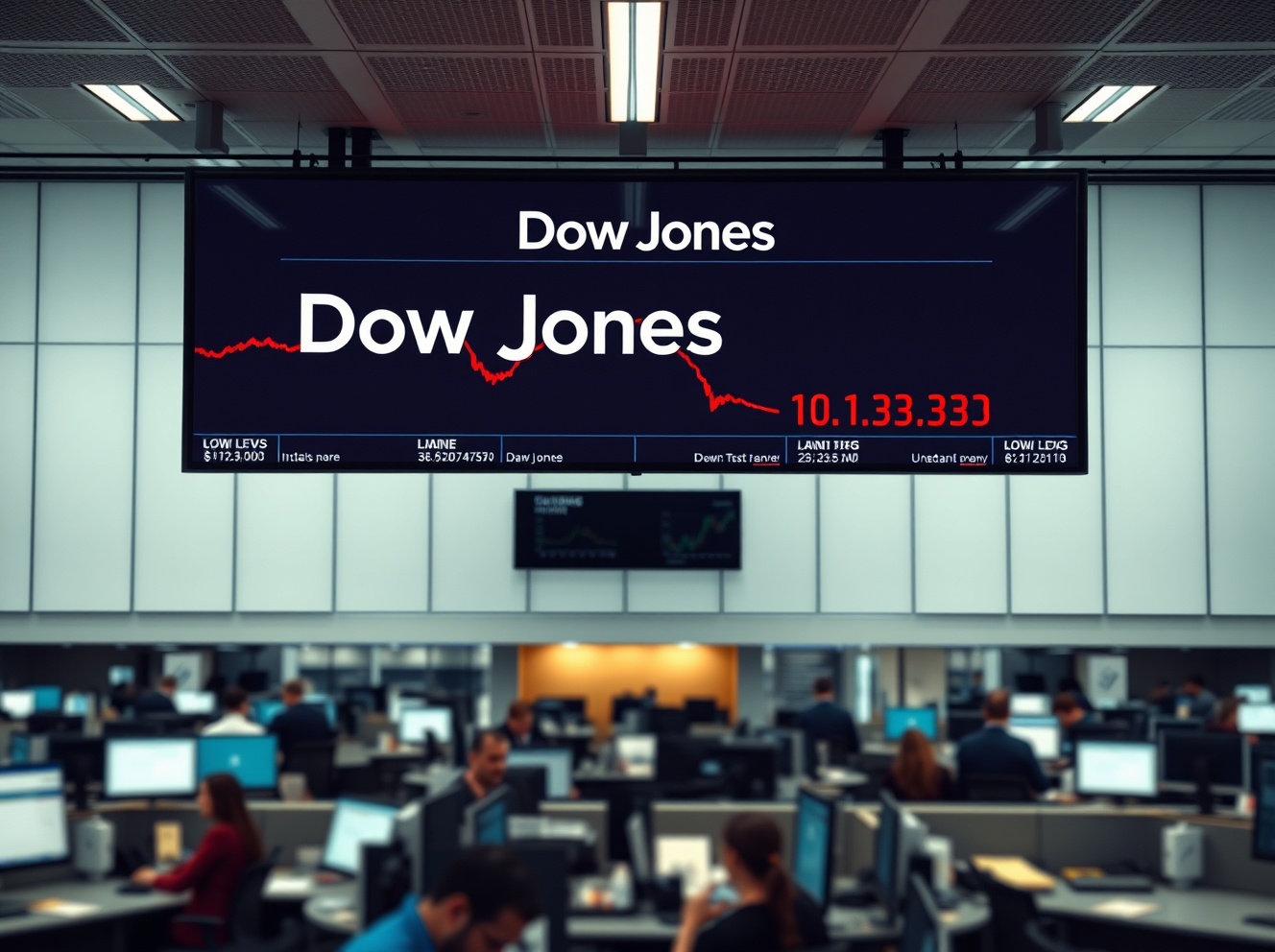
Dow Jones Futures Slide as February CPI Hits 3.8%, China Trade Trip in Focus
Share:
February CPI rose 3.8% year-over-year (core CPI 3.9%), topping estimates and prompting about a 0.4% slide in Dow Jones futures as markets push out odds of a June Fed rate cut. Higher-for-longer rates and a planned late-month U.S. trade delegation to China raise macro and geopolitical risk, likely increasing volatility and pressuring risk assets including crypto, DeFi protocols, tokens on CEXs and DEXs, and fundraising and adoption timelines.
Predictions Markets
See what traders are focused on

BitcoinWorld
Dow Jones Futures Slide as February CPI Hits 3.8%, China Trade Trip in Focus
U.S. stock futures pointed lower on Wednesday morning after the release of February’s Consumer Price Index (CPI) data, which showed inflation running hotter than many analysts had anticipated. The Dow Jones Industrial Average futures slipped approximately 0.4% as traders digested the implications for Federal Reserve policy.
Inflation Data Raises Rate Concerns
The Bureau of Labor Statistics reported that the headline CPI rose 3.8% year-over-year in February, exceeding the 3.7% consensus estimate. Core CPI, which excludes volatile food and energy prices, also came in above expectations at 3.9%. The data suggests that inflation is proving stickier than hoped, reducing the likelihood of near-term interest rate cuts by the Federal Reserve.
Market participants had been pricing in a potential rate cut as early as June, but the latest CPI print has pushed those expectations further out. The CME FedWatch Tool now shows a diminished probability of a quarter-point reduction at the June meeting. Higher-for-longer interest rates typically weigh on equity valuations, particularly for growth-oriented sectors.
China Trip Adds Geopolitical Layer
Adding to the market’s cautious tone, news emerged that a high-level U.S. trade delegation is preparing to travel to China later this month. The trip is expected to focus on tariff negotiations, technology export controls, and supply chain issues. While the administration has framed the visit as a diplomatic effort to stabilize economic relations, investors remain wary of potential escalations or new trade restrictions.
The combination of persistent inflation and unresolved trade tensions creates a challenging backdrop for risk assets. Analysts note that any negative developments from the China talks could amplify the selloff triggered by the CPI data.
What This Means for Investors
For retail and institutional investors alike, the key takeaway is that the path to lower interest rates is not as clear as it seemed a month ago. The Dow’s futures decline reflects a broader reassessment of the macroeconomic outlook. Sectors sensitive to borrowing costs, such as real estate and consumer discretionary, may face continued pressure. Meanwhile, energy and materials stocks could benefit if inflation remains elevated due to supply-side factors.
Market volatility is likely to persist in the near term as traders parse upcoming economic data and watch for signals from the Fed’s next policy meeting in March.
Conclusion
Wednesday’s CPI report has injected fresh uncertainty into financial markets, prompting a modest selloff in Dow futures. The combination of sticky inflation and a looming trade mission to China creates a complex environment for investors. While the data does not necessarily signal a downturn, it does suggest that the Fed’s battle against inflation is not yet over, and that geopolitical risks remain on the radar.
FAQs
Q1: Why did Dow futures fall after the CPI report?
The CPI came in at 3.8%, higher than the 3.7% expected. This reduces the likelihood of the Federal Reserve cutting interest rates soon, which tends to be negative for stock prices.
Q2: How does the China trade trip affect the stock market?
Trade negotiations can introduce uncertainty. If the trip leads to new tariffs or restrictions, it could hurt corporate profits and supply chains, weighing on market sentiment.
Q3: Should investors be worried about inflation staying high?
Persistent inflation means borrowing costs may stay elevated for longer, which can slow economic growth and reduce corporate earnings. However, it is not a reason to panic, but rather to reassess portfolio positioning.
This post Dow Jones Futures Slide as February CPI Hits 3.8%, China Trade Trip in Focus first appeared on BitcoinWorld.
Predictions Markets
See what traders are focused on
Share:
Predictions Markets
See what traders are focused on
Share:
Read More
Mexico Core Inflation Slows to 0.24% in June, Below Market Expectations