China Defends Iran Ties as U.S. Expands Sanctions to Digital Assets
Share:
The U.S. expanded Iran sanctions to explicitly target digital asset transactions and impose secondary sanctions on third parties, creating legal and operational risk for global crypto exchanges, payment processors, and wallet providers. China pushed back as extraterritorial overreach, while the move will likely drive stricter KYC/AML, increased blockchain analytics and geo-blocking by CEXs and could accelerate migration to harder-to-regulate DeFi, complicating adoption and compliance.
Predictions Markets
See what traders are focused on

BitcoinWorld
China Defends Iran Ties as U.S. Expands Sanctions to Digital Assets
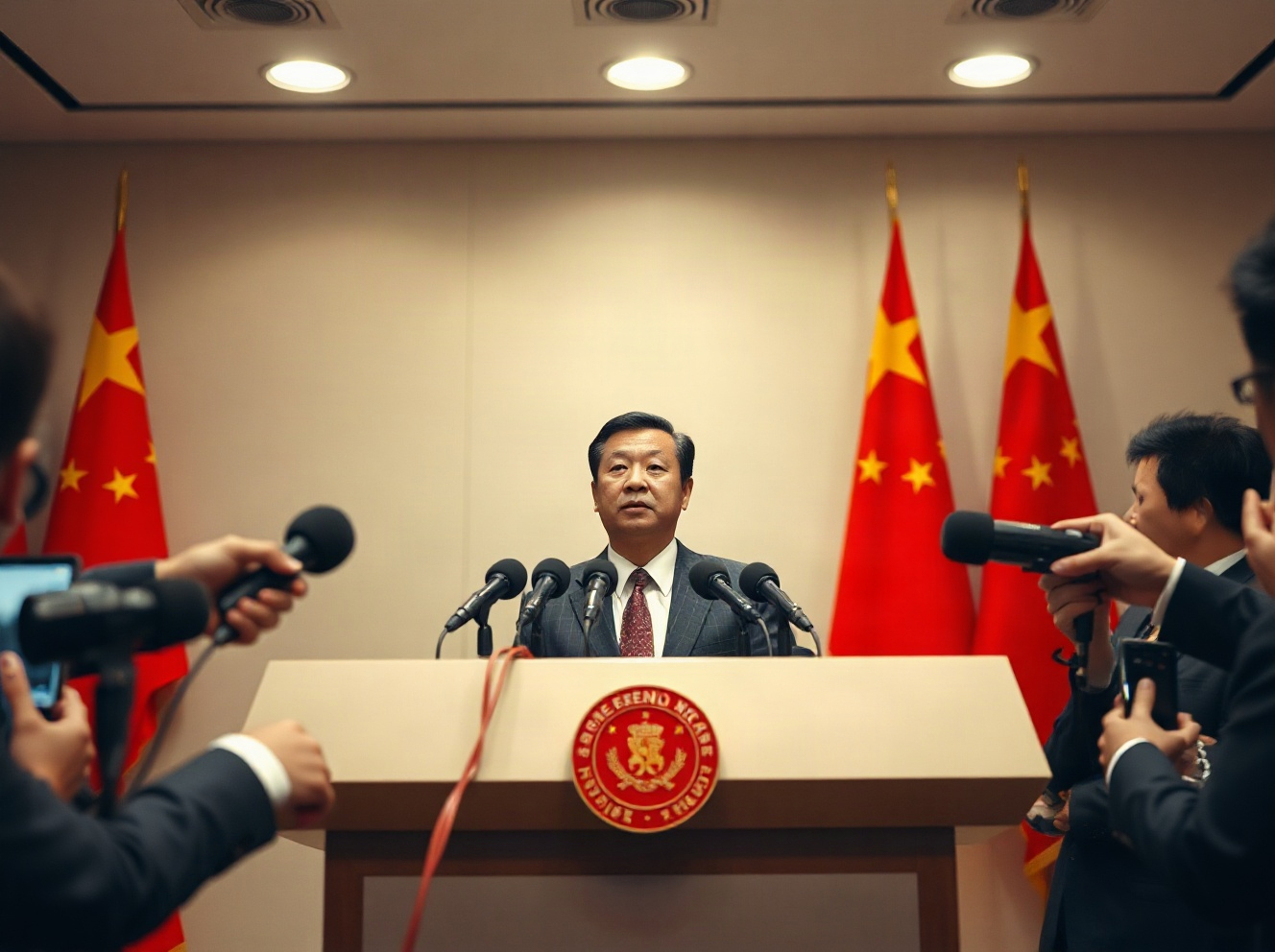
China has publicly pushed back against the latest round of U.S. sanctions on Iran, which for the first time explicitly target digital asset transactions involving third parties. In a statement reported by Yonhap News TV, Chinese Foreign Ministry spokesperson Lin Jian said that China-Iran cooperation has consistently been carried out within the framework of international law and should not be subject to interference or disruption.
What the New U.S. Sanctions Cover
The Trump administration announced an expansion of sanctions on Iran that goes beyond traditional trade restrictions. The core provision introduces secondary sanctions on third parties involved in transactions with Iran related to digital assets, technology, gold, aviation, and shipping. This marks a significant broadening of U.S. enforcement, particularly in the digital asset space, which has become a growing channel for cross-border financial flows.
The inclusion of digital assets signals that Washington is increasingly focused on cryptocurrency and blockchain-based transactions as potential loopholes in existing sanctions regimes. This move could have far-reaching implications for global crypto exchanges, payment processors, and even individual wallet providers that may inadvertently facilitate Iran-linked transactions.
China’s Response and Diplomatic Stance
China’s response, delivered through its foreign ministry, reflects a broader pattern of resistance to what Beijing views as extraterritorial overreach by U.S. sanctions. Lin Jian’s comments emphasize that China’s cooperation with Iran is lawful under international norms and should not be dictated by unilateral U.S. policy.
This is not the first time China has criticized U.S. sanctions on Iran. In previous years, Beijing has consistently opposed unilateral sanctions that affect its economic interests, including its energy imports from Iran. However, the explicit mention of digital assets adds a new dimension, as China itself maintains a strict ban on cryptocurrency trading domestically, yet its companies and nationals may still be exposed to U.S. secondary sanctions if they engage in Iran-related digital transactions.
Why This Matters for the Crypto Industry
For the cryptocurrency sector, the expansion of U.S. sanctions to include digital assets creates a complex compliance environment. Businesses operating globally must now assess whether their platforms could be used to circumvent sanctions on Iran, even indirectly. This could lead to increased scrutiny of blockchain analytics, stricter KYC/AML procedures, and potential legal risks for exchanges that do not have robust geo-blocking or transaction monitoring.
Moreover, the move could accelerate the trend toward decentralized finance (DeFi) platforms, which are harder to regulate, but it also raises the stakes for U.S. authorities to develop new enforcement tools. The long-term impact on the digital asset market remains uncertain, but the message is clear: sanctions enforcement is evolving to cover emerging technologies.
Conclusion
China’s pushback against the expanded U.S. sanctions on Iran, particularly the inclusion of digital assets, underscores the growing geopolitical friction over economic and technological sovereignty. While China defends its bilateral cooperation as lawful, the new sanctions pose practical challenges for global crypto businesses and could reshape how digital assets are used in international trade. As the situation develops, market participants and policymakers will need to navigate an increasingly complex sanctions landscape.
FAQs
Q1: What are secondary sanctions?
Secondary sanctions are penalties imposed by the U.S. on third-party entities, such as companies or individuals from other countries, that engage in certain transactions with sanctioned nations like Iran. They extend U.S. jurisdiction beyond its borders.
Q2: How do the new sanctions affect digital assets?
The new sanctions explicitly target transactions involving digital assets with Iran, meaning that any third party facilitating crypto transfers linked to Iran could face U.S. penalties, including being cut off from the U.S. financial system.
Q3: Why is China objecting to the sanctions?
China argues that its cooperation with Iran is lawful under international law and that unilateral U.S. sanctions constitute interference in its sovereign affairs. Beijing has consistently opposed extraterritorial sanctions that affect its economic interests.
This post China Defends Iran Ties as U.S. Expands Sanctions to Digital Assets first appeared on BitcoinWorld.


Read More

WTI Crude Slips Toward $85 as Market Weighs US Strike on Iran