RWA Token Deposits Triple as DeFi TVL Drops 15%: What It Signals for Crypto Markets
Share:
RWA token deposits jumped from about $2 billion to over $6 billion in the past quarter while overall DeFi TVL fell roughly 15% to around $80 billion from $94 billion, with Ondo Finance, Centrifuge and tokenized Treasury products drawing major inflows. The rotation toward tokenization signals rising institutional adoption and demand for steadier yields in crypto and DeFi, but raises regulatory, KYC/AML and securities-compliance risks as protocols integrate RWA standards.
Predictions Markets
See what traders are focused on

BitcoinWorld
RWA Token Deposits Triple as DeFi TVL Drops 15%: What It Signals for Crypto Markets
In a notable shift within the decentralized finance (DeFi) landscape, deposits in real-world asset (RWA) tokenization protocols have more than tripled, even as the overall total value locked (TVL) across DeFi platforms has fallen by 15%. This divergence highlights a growing investor preference for tokenized versions of traditional assets like Treasury bills, real estate, and commodities, which offer yield and stability compared to more volatile crypto-native protocols.
Understanding the Divergence: RWA Growth vs. DeFi Decline
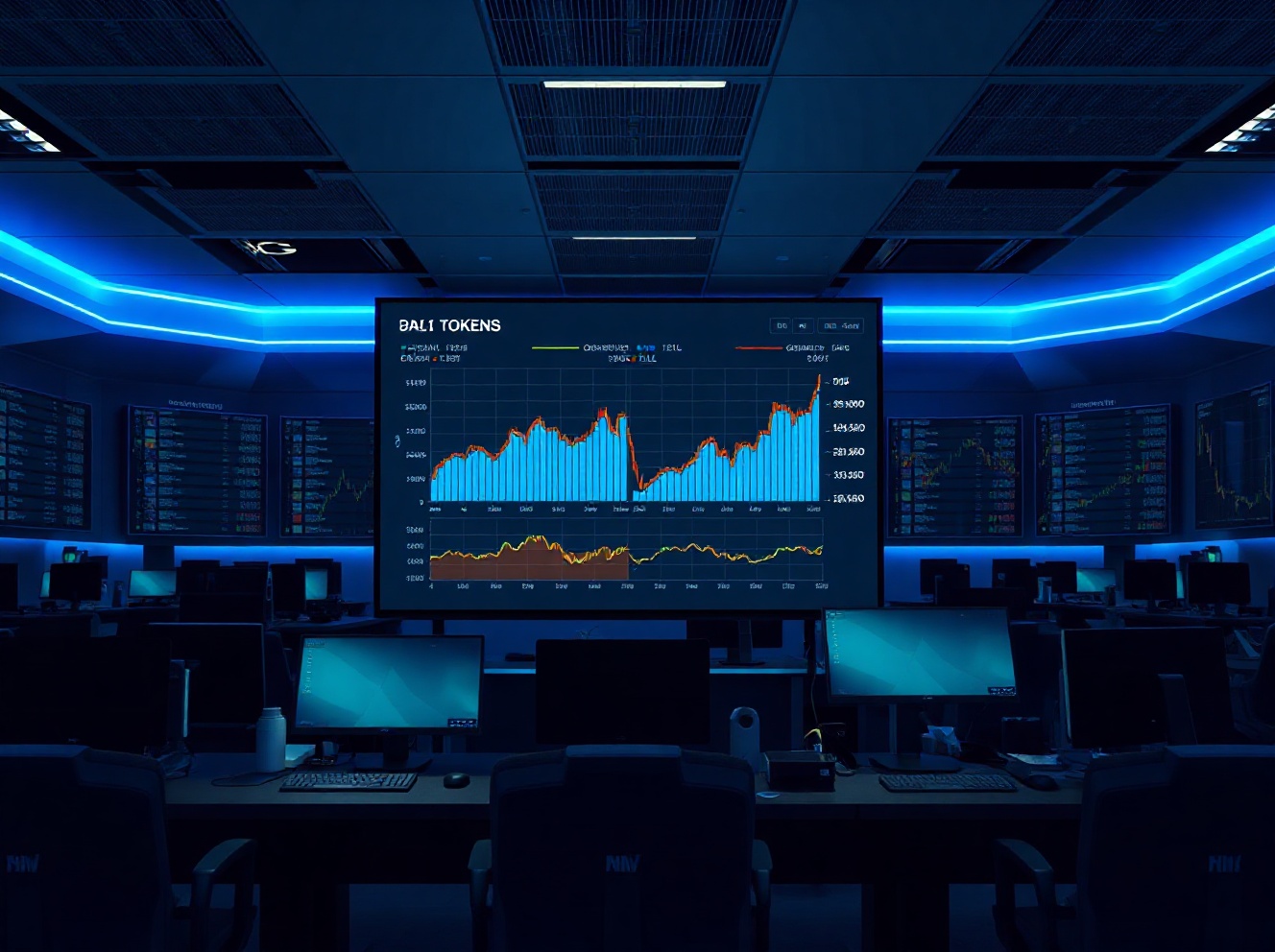
Data from leading analytics platforms indicates that RWA token deposits have surged from roughly $2 billion to over $6 billion in the past quarter, while the broader DeFi TVL has contracted to approximately $80 billion from its previous $94 billion. This trend is not isolated to a single protocol; platforms like Ondo Finance, Centrifuge, and tokenized Treasury offerings have all reported significant inflows. The rise of institutional interest in blockchain-based financial instruments, particularly in a higher-for-longer interest rate environment, is a key driver. Unlike traditional DeFi lending, which often relies on crypto collateral and is subject to market volatility, RWA tokens are backed by tangible assets, offering a more predictable yield profile.
What This Means for the DeFi Ecosystem
The shift toward RWAs is reshaping the DeFi ecosystem in several ways. First, it is attracting a new class of investors, including institutional players and treasuries, who seek the efficiency of blockchain settlement but with lower risk. Second, it is prompting DeFi protocols to integrate RWA standards to stay competitive, leading to a hybrid model where traditional finance and decentralized infrastructure converge. However, this trend also raises questions about regulatory compliance, as tokenized assets must adhere to securities laws and KYC/AML requirements, which could impact the decentralized ethos of some platforms.
Implications for Yield and Stability
For yield-seeking investors, the appeal of RWA tokens lies in their stability. For example, tokenized Treasury products offer yields tied to U.S. government bonds, which are considered risk-free. In contrast, DeFi lending rates can be highly volatile, driven by crypto market conditions. This has led to a rotation of capital from high-risk DeFi strategies to more conservative RWA offerings. Analysts note that this trend may persist as long as interest rates remain elevated, making RWA protocols a crucial bridge between traditional and decentralized finance.
Conclusion
The tripling of RWA token deposits against a 15% drop in overall DeFi TVL underscores a maturing market that values security and real-world utility. While DeFi continues to innovate, the integration of real-world assets is proving to be a stabilizing force, attracting both institutional and retail participants. As the sector evolves, the balance between decentralization and regulatory compliance will be critical in shaping its future trajectory.
FAQs
Q1: What are RWA tokens?
RWA (Real-World Asset) tokens are digital representations of physical or traditional financial assets, such as real estate, bonds, or commodities, issued on a blockchain. They enable fractional ownership and easier trading of these assets.
Q2: Why are RWA deposits increasing while DeFi TVL falls?
The increase is driven by a demand for more stable, yield-generating assets, especially in a high-interest-rate environment. Investors are moving funds from volatile DeFi protocols to RWA platforms that offer returns tied to real-world assets, which are perceived as lower risk.
Q3: How does this trend affect the future of DeFi?
It encourages DeFi protocols to adopt RWA standards and integrate with traditional finance, potentially leading to a more regulated and institutionally-friendly ecosystem. This could increase overall market stability but may also require adjustments to decentralized governance models.
This post RWA Token Deposits Triple as DeFi TVL Drops 15%: What It Signals for Crypto Markets first appeared on BitcoinWorld.
In This News
Coins

$ 0.00233
-1.70%
$ 0.362
-3.51%
$ 0.301
-4.96%

$ 0.00228
-1.95%


Predictions Markets
See what traders are focused on
Share:
In This News
Coins
$ 0.00233
-1.70%$ 0.362
-3.51%$ 0.301
-4.96%$ 0.00228
-1.95%Predictions Markets
See what traders are focused on
Share:
Read More

RWA Deposits in DeFi Triple to $7.4B as Onchain Finance Matures