Stocks Under Pressure as Yields Rise and Energy Risks Intensify, Deutsche Bank Warns
Share:
Deutsche Bank warns equities face renewed pressure as benchmark 10-year Treasury yields climbed this week and rising energy risks from supply disruptions and geopolitical tensions push up costs and inflation, driving volatility with the VIX ticking higher. The bank says higher yields and energy uncertainty raise the cost of capital and force a revaluation of growth names, with spillover risk to crypto and DeFi markets; investors should prioritize diversification and quality assets and be cautious around token launches, fundraising and leveraged positions on DEXs and CEXs.
Predictions Markets
See what traders are focused on

BitcoinWorld
Stocks Under Pressure as Yields Rise and Energy Risks Intensify, Deutsche Bank Warns
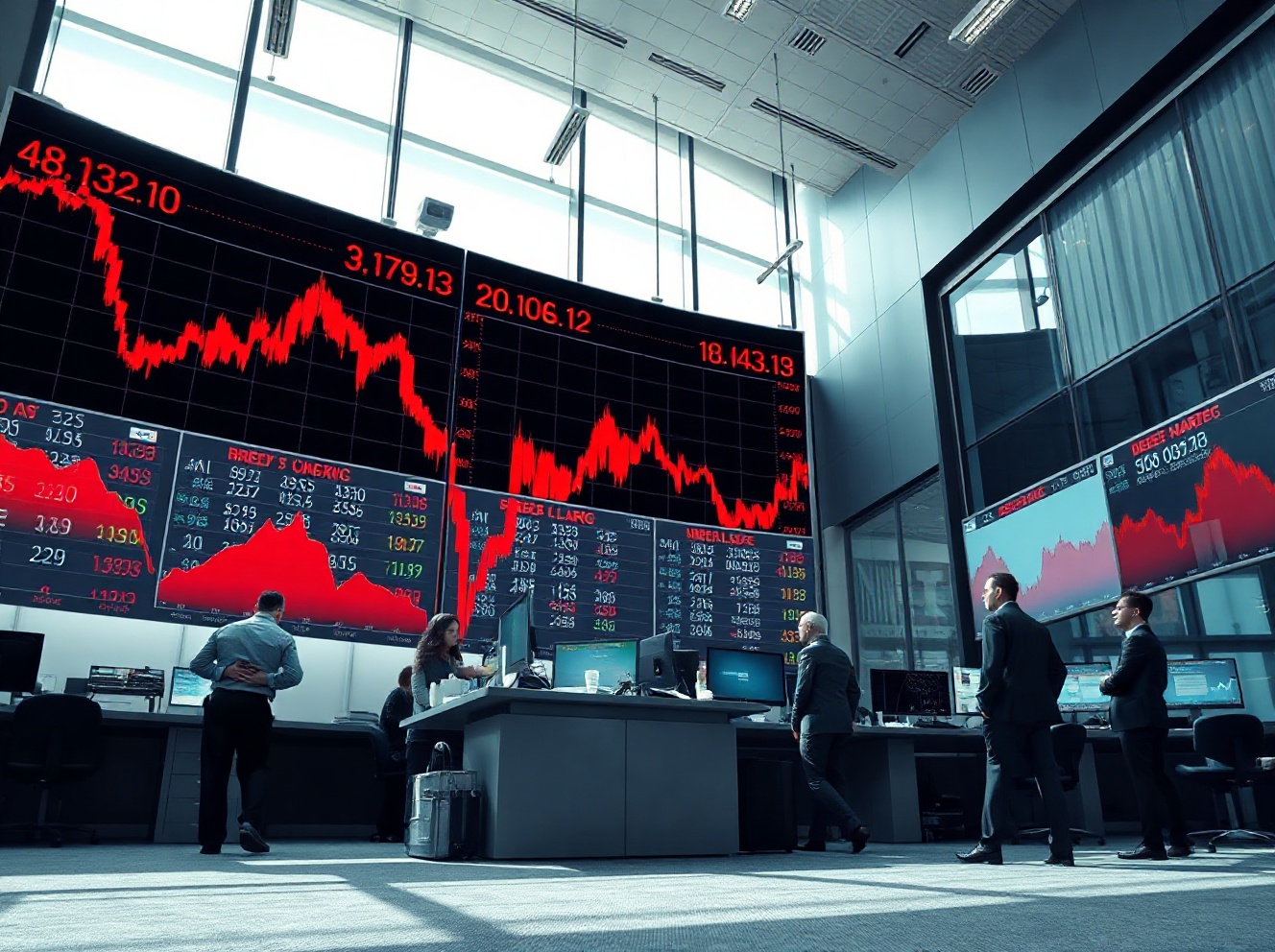
Equities are facing renewed pressure as higher bond yields and escalating energy risks weigh on investor sentiment, according to a recent analysis from Deutsche Bank. The warning comes as markets grapple with the dual challenges of tightening financial conditions and supply-side uncertainties, prompting a cautious outlook for risk assets in the near term.
What’s Driving the Pressure on Stocks?
The primary catalyst is the upward move in global bond yields, which reduces the relative attractiveness of equities and raises the cost of capital for companies. Deutsche Bank’s note highlights that this yield pressure, combined with energy price volatility, is creating a challenging backdrop for stock market valuations. As of this week, benchmark 10-year Treasury yields have climbed, reflecting investor expectations of prolonged monetary policy tightening by central banks.
Energy risks, particularly supply disruptions and geopolitical tensions in key producing regions, add another layer of complexity. Higher energy costs can squeeze corporate margins and dampen consumer spending, feeding into inflation concerns that keep yields elevated. This cycle creates a feedback loop that undermines equity market stability.
How Are Markets Reacting?
Major indices have shown increased volatility, with technology and growth stocks—sensitive to discount rate changes—bearing the brunt of the sell-off. Defensive sectors like utilities and consumer staples have fared relatively better, as investors rotate toward safer havens. The Cboe Volatility Index (VIX), a measure of market anxiety, has ticked upward, signaling growing unease among traders.
Deutsche Bank’s analysis suggests that the current environment demands a selective approach, favoring sectors with strong cash flows and pricing power over those reliant on cheap financing. The note also points to the importance of monitoring central bank communications for clues on future policy paths, as any hawkish surprise could exacerbate the sell-off.
Implications for Investors
For individual investors, the key takeaway is the need for portfolio diversification and a focus on quality assets. The combination of higher yields and energy risks implies that the era of easy money is firmly over, and equity valuations must adjust to a higher discount rate environment. Historically, such periods have rewarded disciplined investors who avoid overleveraged positions and maintain a long-term perspective.
Conclusion
In summary, Deutsche Bank’s warning underscores the fragile state of equity markets amid rising yields and energy uncertainties. While the outlook is challenging, it is not without opportunities for those who can navigate the volatility. As always, staying informed and adaptable is crucial in these dynamic conditions.
FAQs
Q1: Why do higher bond yields pressure stocks?
Higher bond yields increase the discount rate used to value future earnings, making stocks less attractive relative to bonds. This can lead to lower equity valuations, especially for growth companies with earnings expected far in the future.
Q2: How do energy risks affect the stock market?
Energy risks, such as supply disruptions, can drive up oil and gas prices, increasing input costs for businesses and reducing consumer purchasing power. This can hurt corporate profits and overall economic growth, leading to lower stock prices.
Q3: What should investors do in this environment?
Investors should consider diversifying their portfolios, focusing on high-quality companies with strong balance sheets, and staying attuned to central bank policy signals. Avoiding excessive risk and maintaining a long-term perspective can help weather market volatility.
This post Stocks Under Pressure as Yields Rise and Energy Risks Intensify, Deutsche Bank Warns first appeared on BitcoinWorld.


Read More

Sector Rotation Dominates Risk-Off in Equities, Danske Bank Says