Flock Safety CEO urges ‘compromise’ on privacy vs. safety amid police misuse backlash
Share:
Flock Safety is under bipartisan scrutiny after The Washington Post identified 46 alleged cases of police misuse of its camera and license-plate reader network, prompting CEO Garrett Langley to apologize and call for a national compromise between privacy and safety. The company cut default data retention from 30 to 7 days and added case-code access, but an override 'Evidence Mode' and proposed federal bans have intensified regulation, security, and adoption concerns.
Predictions Markets
See what traders are focused on

BitcoinWorld
Flock Safety CEO urges ‘compromise’ on privacy vs. safety amid police misuse backlash
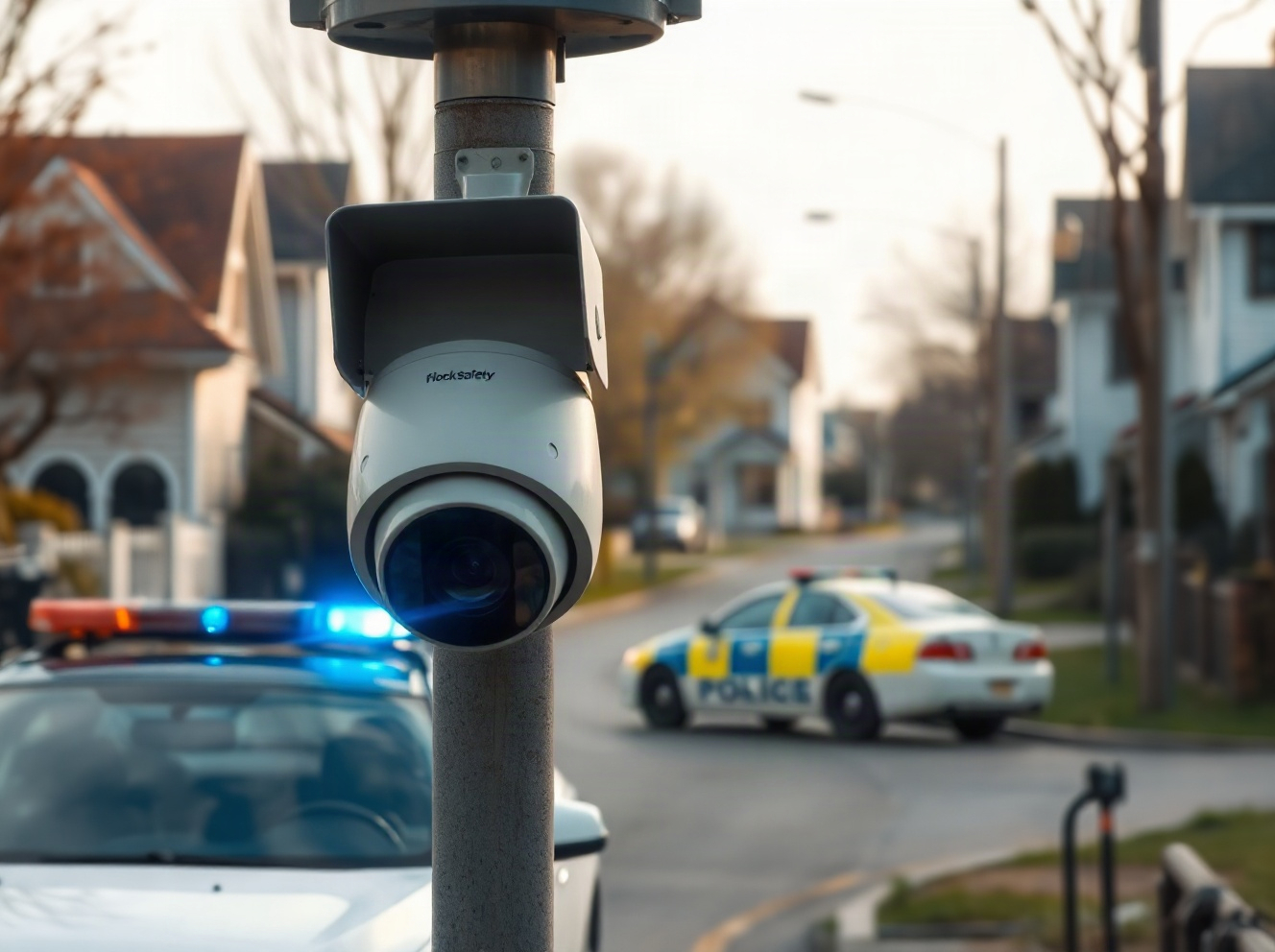
Flock Safety CEO Garrett Langley is calling for a national “compromise” between privacy and safety as his company faces mounting criticism over police misuse of its surveillance technology. In a recent Fox News interview, Langley said, “When people talk about just one of these, privacy or safety, they’re prioritizing the wrong thing, and what we have to prioritize as a country is compromise.” His remarks come as Flock faces public outcry and bipartisan political scrutiny over its network of cameras, drones, and license plate readers.
Police misuse allegations and company response
The Washington Post recently identified 46 cases where police officers were accused of using Flock technology for unauthorized purposes, including stalking spouses or ex-partners. In response, Langley apologized to one alleged victim in a CBS News interview, saying, “I apologize. It kills me that she went through that.” However, he also defended the company, stating, “I don’t think that Flock created police abuse. I think we’re the first company to ever shine a light on it and build the tools to find it.”
Flock has already made some operational changes, such as reducing default data retention from 30 days to seven days and requiring a case code for data access. But these measures can be overridden using an “Evidence Mode” setting, raising questions about their effectiveness. The ACLU noted that while the shorter retention period is “a step in the right direction,” whether it’s a real change or a PR move depends on how Evidence Mode operates.
Political pressure and legislative efforts
Both Democrats and Republicans have criticized Flock. Michigan Senate nominee Abdul El-Sayed accused his opponent of supporting “mass proliferation of Flock cameras,” while Senator Bernie Sanders posted, “STOP AI MASS SURVEILLANCE. STOP FLOCK.” On the right, three House Republicans introduced a bill to ban federal purchase of automated surveillance systems using facial recognition or license plate recognition, explicitly naming Flock Safety.
Langley has called for state regulators to “pass bills that make [illegal use of Flock data] a criminal offense,” and acknowledged that “today, it is too often that in Flock and in other technologies, there’s no regulation. There’s no accountability, and we think that’s wrong.”
Why this matters
The debate over Flock Safety highlights a broader societal tension between public safety and civil liberties. As surveillance technology becomes more widespread, the need for clear regulations and accountability mechanisms grows. Flock’s changes and the political response indicate a shifting landscape where companies may face increasing pressure to balance innovation with ethical considerations.
Conclusion
Flock Safety’s CEO is advocating for compromise as the company navigates public distrust and regulatory threats. While Flock has taken steps to address misuse, critics remain skeptical. The outcome of this debate will likely shape future policies on surveillance technology and privacy protections.
FAQs
Q1: What is Flock Safety?
Flock Safety is a company that provides surveillance technology, including license plate recognition cameras, drones, and other monitoring tools, primarily used by law enforcement agencies.
Q2: What are the main concerns about Flock’s technology?
Concerns include potential misuse by police for unauthorized purposes, such as stalking, and the broader implications for privacy and civil liberties.
Q3: What changes has Flock made in response to criticism?
Flock reduced default data retention from 30 days to 7 days and requires a case code for data access, but these measures can be overridden using an “Evidence Mode” setting.
This post Flock Safety CEO urges ‘compromise’ on privacy vs. safety amid police misuse backlash first appeared on BitcoinWorld.


Read More

Reaching instant 27ms validation on Bitcoin will take 17 GPU years of compute power