Indian Rupee Stays Under Pressure as Foreign Outflows Persist
Share:
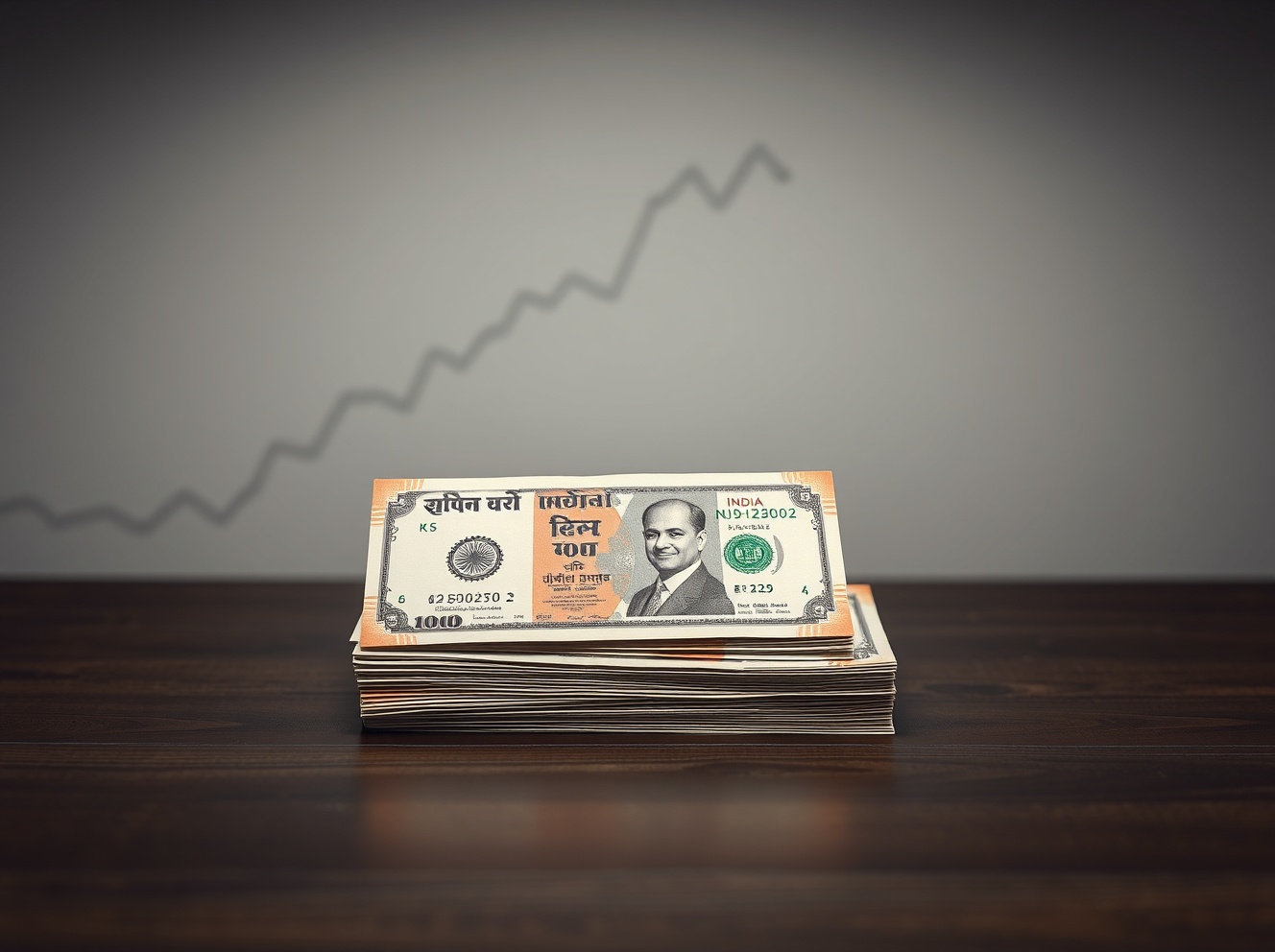
The Indian rupee has weakened since early 2025 and entered a sharper depreciation phase in the last quarter as persistent foreign portfolio outflows from equities and debt, a stronger US dollar and higher US interest rates pushed the currency to new lows and forced intermittent RBI dollar sales. The slide widens the trade deficit and raises import and corporate FX costs—especially for oil importers and firms with dollar debt—while temporarily helping exporters; the stress increases market volatility and could strain rupee-denominated crypto trading, CEX liquidity and DeFi adoption in India. Monitoring RBI intervention, global monetary policy and capital flow data will determine near-term direction.
Predictions Markets
See what traders are focused on

BitcoinWorld
Indian Rupee Stays Under Pressure as Foreign Outflows Persist
The Indian rupee continues to face sustained depreciation pressure as foreign portfolio investors maintain a persistent withdrawal from domestic equity and debt markets. The currency has weakened against the US dollar in recent trading sessions, reflecting broader global risk aversion and domestic economic headwinds.
Why Foreign Outflows Are Weighing on the Rupee
Foreign portfolio outflows reduce the supply of dollars in the Indian forex market, directly pressuring the rupee. Data from the National Securities Depository Limited shows that foreign investors have pulled out significant capital from Indian equities over the past several weeks, driven by elevated US interest rates, a stronger dollar index, and concerns over global growth. This consistent selling has created an imbalance in the currency market, forcing the Reserve Bank of India to intermittently intervene through dollar sales to curb excessive volatility.
Timeline of Pressure and Key Drivers
The rupee has been on a weakening trend since early 2025, with intermittent recoveries. The current phase of pressure began in the last quarter, coinciding with the US Federal Reserve’s hawkish stance and a rebound in US Treasury yields. Domestic factors, including a widening trade deficit and subdued foreign direct investment inflows, have compounded the problem. The rupee recently touched new lows against the greenback, raising concerns among importers and businesses with foreign currency liabilities.
Impact on Importers and the Economy
A weaker rupee increases the cost of imported goods, particularly crude oil, which India imports heavily. This feeds into domestic inflation and widens the current account deficit. For companies that rely on imported raw materials or have dollar-denominated debt, the currency depreciation squeezes margins. On the positive side, export-oriented sectors such as IT services and textiles may see a temporary competitive advantage.
Conclusion
The Indian rupee’s trajectory will depend on the pace of foreign outflows, global monetary policy signals, and the RBI’s intervention strategy. While the central bank has sufficient forex reserves to manage sharp moves, sustained pressure could test policy credibility. Investors and businesses should monitor global risk sentiment and domestic macroeconomic data closely for signs of a turnaround.
FAQs
Q1: What is causing the Indian rupee to weaken?
The primary cause is persistent foreign portfolio outflows from Indian markets, driven by higher US interest rates, a strong dollar, and global risk aversion. Domestic factors like a widening trade deficit also contribute.
Q2: How does the RBI respond to rupee depreciation?
The Reserve Bank of India often intervenes by selling US dollars from its reserves to stabilize the currency. It may also use monetary policy tools and regulatory measures to manage capital flows.
Q3: Who is most affected by a falling rupee?
Importers, companies with foreign debt, and consumers face higher costs for imported goods and fuel. Exporters may benefit from better price competitiveness in global markets.
This post Indian Rupee Stays Under Pressure as Foreign Outflows Persist first appeared on BitcoinWorld.
Predictions Markets
See what traders are focused on
Share:
Predictions Markets
See what traders are focused on
Share:
Read More

Indian Rupee Holds Steady as Oil Prices Correct From Recent Highs