TD Securities Warns of Delayed Intervention as Dollar-Yen Nears 165 Threshold
Share:
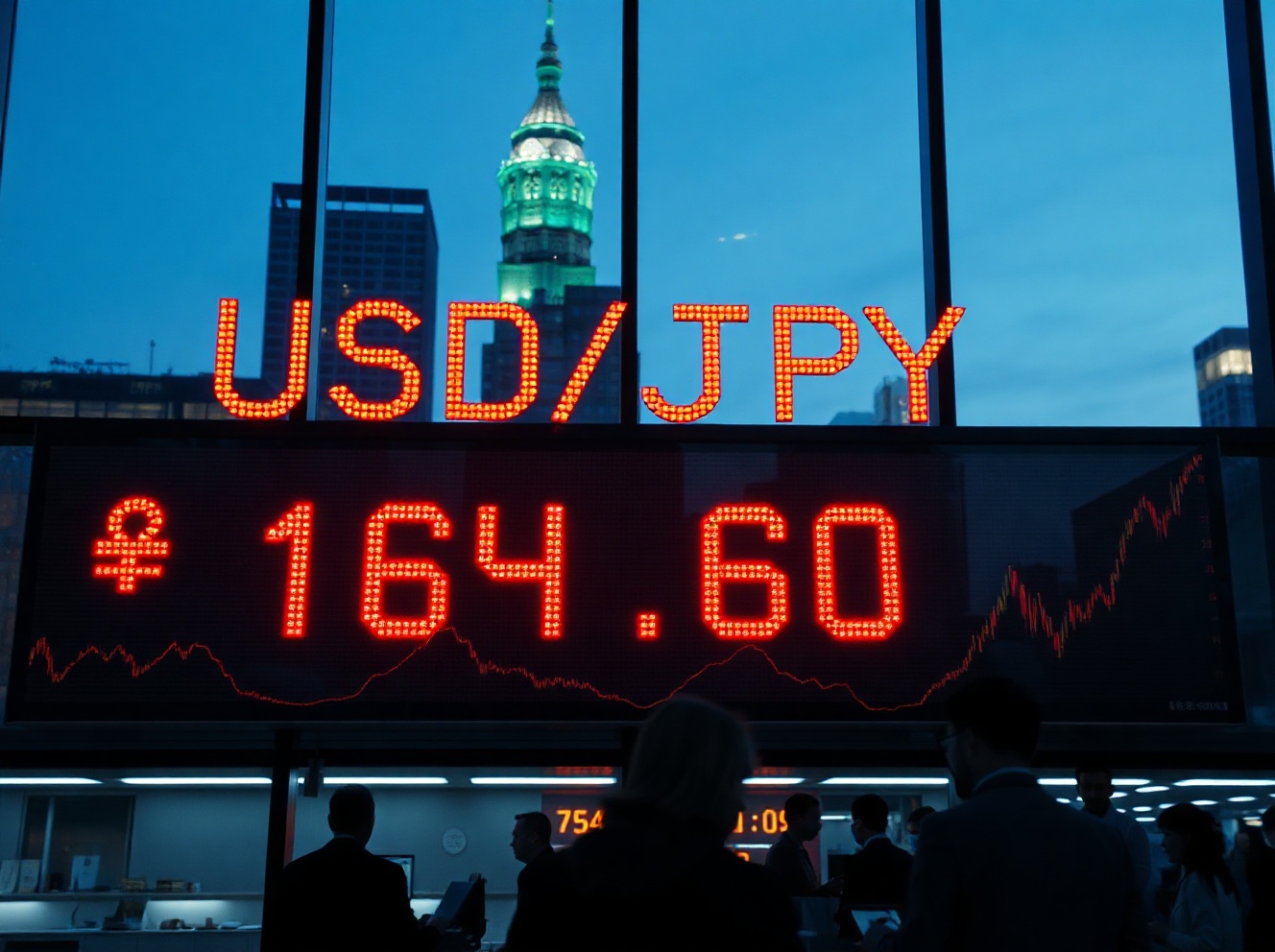
TD Securities warns Japan may delay FX intervention as USD/JPY nears the multi-decade 165 level, noting a more gradual yen decline that could allow the pair to test 168+ while options markets price elevated volatility and risk reversals favoring yen puts. Prolonged yen weakness would raise import-driven inflation risks for Japanese businesses and could spill into crypto markets by increasing trading and hedging costs for CEXs, DEXs and traders, affecting adoption and risk management.
Predictions Markets
See what traders are focused on

BitcoinWorld
TD Securities Warns of Delayed Intervention as Dollar-Yen Nears 165 Threshold
TD Securities has issued a notable analysis suggesting that Japanese authorities may delay foreign exchange intervention even as the dollar-yen pair approaches the psychologically significant 165 level. The assessment, released by the bank’s global macro strategy team, points to shifting market conditions and a possible recalibration of the Bank of Japan’s (BOJ) intervention playbook.
Why 165 Matters for USD/JPY
The 165 level represents a fresh multi-decade high for the pair, surpassing previous intervention triggers near 160 and 162 seen earlier this year. Historically, the BOJ and Japan’s Ministry of Finance have stepped in to stem rapid yen depreciation, often citing speculative and disorderly moves. However, TD Securities argues that the current environment may not provoke an immediate response.
The rationale centers on several factors. First, the pace of yen weakening has been more gradual compared to previous episodes, reducing the sense of crisis. Second, Japanese officials have signaled a greater tolerance for yen weakness as long as it reflects fundamental economic drivers rather than pure speculation. Third, the upcoming U.S. election cycle and potential policy shifts add a layer of uncertainty that may make intervention less effective or politically complicated.
Market Implications and Trader Positioning
For forex traders, the delayed intervention thesis carries significant implications. If the BOJ holds back, USD/JPY could test levels not seen since the 1980s, potentially reaching 168 or higher before any official action is taken. This would create opportunities for dollar bulls but also increase the risk of a sharp, volatile reversal if intervention eventually materializes.
Options markets are already pricing in elevated volatility around the 165 level, with risk reversals favoring yen puts. This suggests that while some traders anticipate intervention, others are positioning for further yen depreciation.
What This Means for Japanese Importers and Consumers
Beyond trading desks, a weaker yen continues to pressure Japanese households and businesses. Import costs for energy, food, and raw materials remain elevated, contributing to inflationary pressures that the BOJ has struggled to manage. A delay in intervention could prolong this pain, though it may also allow the BOJ to conserve its ammunition for a more acute crisis.
The Japanese government has already deployed multiple rounds of verbal intervention, with Finance Minister Shunichi Suzuki and Vice Finance Minister for International Affairs Masato Kanda reiterating their readiness to act. However, market participants are increasingly viewing these statements as buying time rather than signaling imminent action.
Conclusion
TD Securities’ analysis adds a fresh perspective to the ongoing debate about Japan’s currency policy. While intervention remains a credible tool, the conditions that trigger it may have shifted. For now, the market is watching the 165 level closely, but the expected fireworks may be delayed. Traders and businesses alike should prepare for a potentially extended period of yen weakness, with intervention serving as a backstop rather than an immediate barrier.
FAQs
Q1: What is the significance of the 165 level for USD/JPY?
The 165 level represents a multi-decade high for the dollar-yen exchange rate. It is a psychological threshold that historically has prompted Japanese authorities to intervene to support the yen. However, TD Securities suggests that intervention may be delayed this time due to a more gradual depreciation pace and shifting policy tolerance.
Q2: How does delayed intervention affect forex traders?
Delayed intervention allows USD/JPY to potentially rise further, benefiting dollar longs. However, it also increases the risk of a sudden, sharp reversal if the BOJ eventually steps in. Traders should monitor volatility expectations and consider hedging strategies.
Q3: What factors could still trigger Japanese intervention?
Intervention is likely if the yen depreciates too rapidly, becomes disconnected from fundamentals, or if speculative positioning becomes excessive. A sudden move above 165 in a single trading session could prompt immediate action, especially if it disrupts financial stability.
This post TD Securities Warns of Delayed Intervention as Dollar-Yen Nears 165 Threshold first appeared on BitcoinWorld.

Read More

Japan Retail Sales Drop 4.1% in June, Reversing May’s Gain