Crude Oil Sells a Glut That Never Left the Dock
Share:
Global crude remains in a persistent glut—Brent around $80/barrel and WTI near $75/barrel—driven by record U.S. output (EIA: >13 million bpd in May), partial OPEC+ non-compliance, a 15% rise in tankers storing oil since April and an IEA 2025 demand downgrade of 100,000 bpd, leaving storage and refinery crack spreads weak. For crypto markets, the surplus is broadly neutral-to-negative: softer commodity-driven inflation may reduce institutional demand for crypto as an inflation hedge even as cheaper fuel and shipping modestly lower costs for tokenized oil projects, DeFi commodity desks, mining operations and related fundraising or token launch activity.
Predictions Markets
See what traders are focused on

BitcoinWorld
Crude Oil Sells a Glut That Never Left the Dock
Crude oil prices are under pressure as the market confronts a supply glut that, despite earlier expectations, has not cleared from storage tanks and anchored tankers. As of mid-June, Brent crude is trading near $80 per barrel, while West Texas Intermediate (WTI) hovers around $75, reflecting persistent oversupply concerns that have kept a lid on rallies.
Why the glut persists
The oversupply stems from a combination of record production in the Americas, resilient output from OPEC+ members, and softer-than-expected global demand growth, particularly from China. Despite voluntary production cuts announced by OPEC+ in late 2023, actual exports have remained higher than anticipated, as some members have not fully complied with quotas. Meanwhile, U.S. shale output continues to set records, with the Energy Information Administration (EIA) reporting production above 13 million barrels per day in May.
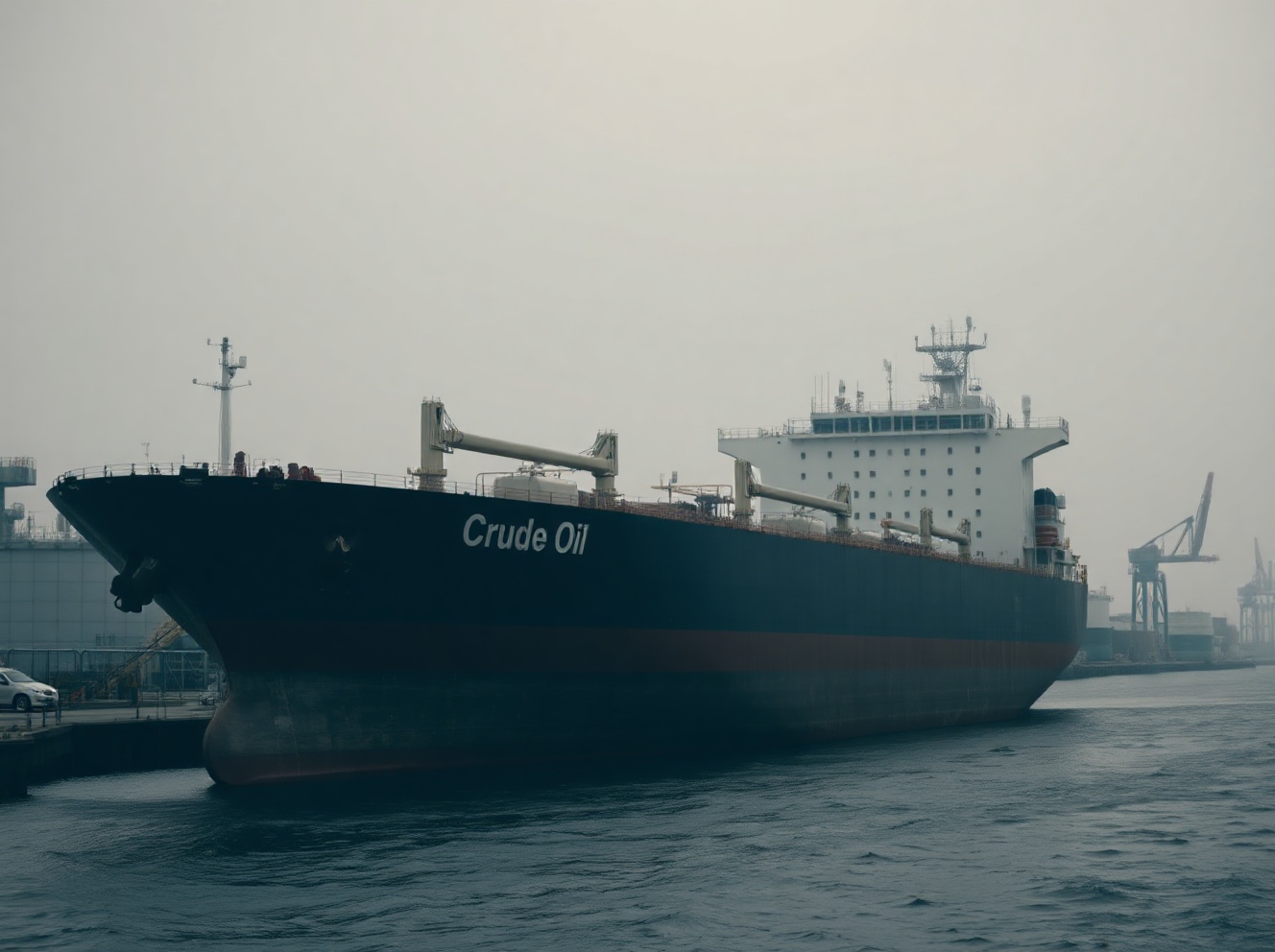
Storage levels at Cushing, Oklahoma—the delivery point for WTI—have been hovering near seasonal averages, but floating storage globally has increased. According to Vortexa data, the number of tankers storing oil at sea has risen by 15% since April, indicating that barrels are finding it harder to reach buyers.
Demand signals remain mixed
On the demand side, the International Energy Agency (IEA) trimmed its 2025 growth forecast by 100,000 barrels per day in its latest monthly report, citing weaker industrial activity in Europe and a slower-than-expected recovery in Chinese jet fuel consumption. However, U.S. gasoline demand has shown resilience, with EIA data showing a 2% year-on-year increase during the Memorial Day holiday week.
Refinery margins, a key indicator of crude demand, have narrowed in recent weeks, suggesting that refiners are not eager to process additional barrels. The crack spread for gasoline has fallen to its lowest level since February, which may prompt refiners to reduce run rates and, in turn, limit crude offtake.
What this means for consumers and markets
For consumers, the glut could translate into lower fuel prices at the pump. The national average gasoline price in the U.S. has already slipped to $3.45 per gallon, down 10 cents from a month ago. For energy traders, the persistent oversupply suggests that any price spikes from geopolitical tensions—such as the ongoing Red Sea shipping disruptions—may be short-lived, as ample inventories can quickly fill supply gaps.
Conclusion
In summary, the crude oil market remains in a state of surplus, with production outpacing demand and storage levels staying elevated. While OPEC+ and the IEA continue to monitor the situation, the immediate outlook points to continued price pressure unless a significant shift in demand or a major supply disruption occurs. For now, the glut that never left the dock is keeping a firm cap on oil prices.
FAQs
Q1: Why is there a global oil glut despite OPEC+ production cuts?
The glut persists because OPEC+ cuts have been partially offset by record output from the U.S. and other non-OPEC producers, while global demand growth has been weaker than expected, particularly in China and Europe.
Q2: How does the oil glut affect gasoline prices?
An oil glut generally leads to lower crude prices, which can translate into cheaper gasoline for consumers, as seen with the recent decline in U.S. average pump prices.
Q3: What could change the current oversupply situation?
A significant supply disruption—such as a major geopolitical event affecting a key producing region—or a stronger-than-expected demand recovery could quickly tighten the market and reduce the glut.
This post Crude Oil Sells a Glut That Never Left the Dock first appeared on BitcoinWorld.

Read More

WTI Steadies as Strait of Hormuz Risk Offsets Surprise US Inventory Build