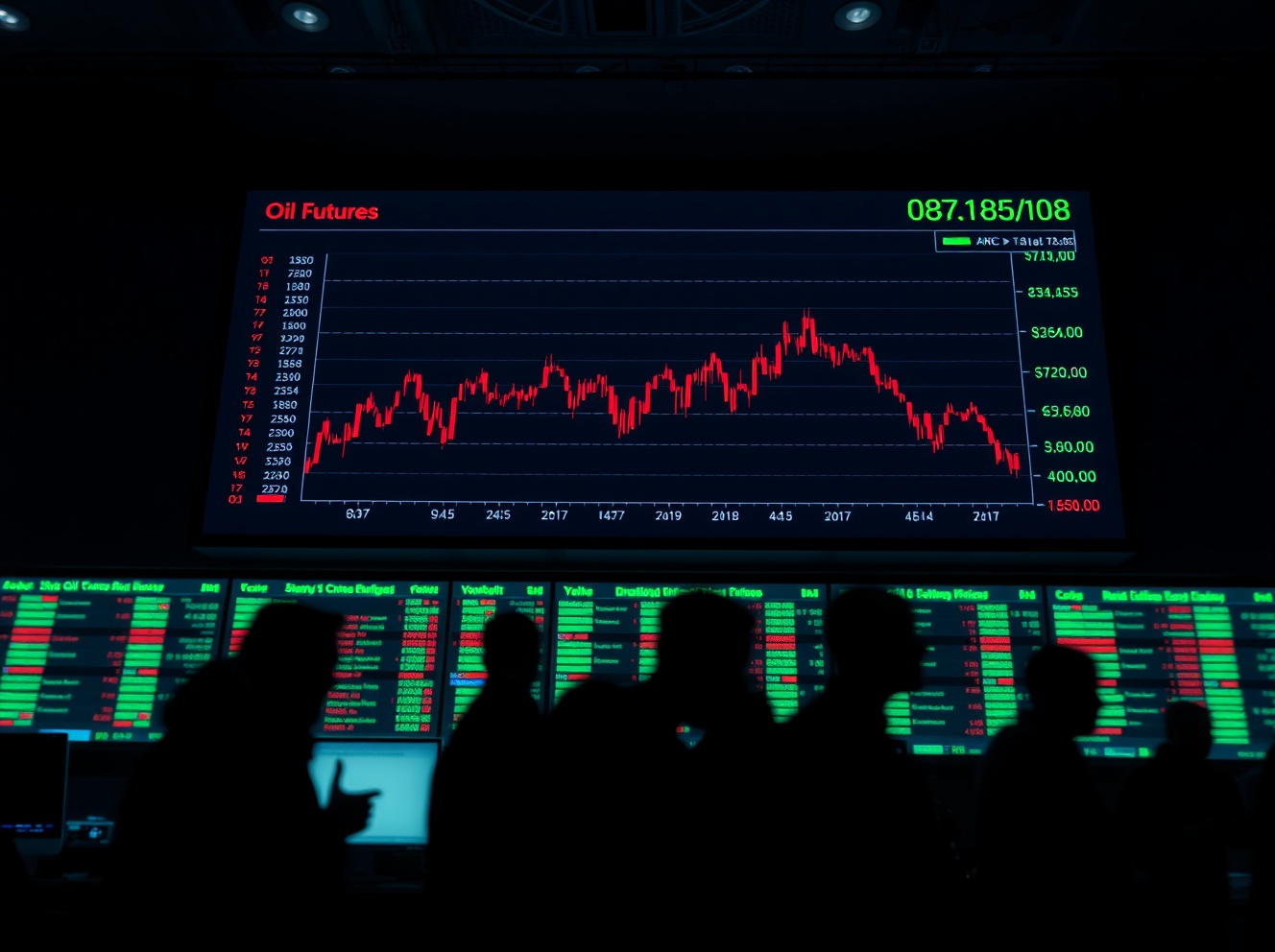
WTI Oil Nears $90 as Strait of Hormuz Reopening Rumors Weigh on Prices
Share:
WTI crude fell about 1.5% on Tuesday from above $92 to roughly $90.30 amid unconfirmed rumors of a Strait of Hormuz reopening; the strait handles ~20% of global oil flows. Macro takeaway for crypto: potential easing of oil-driven inflationary pressure could modestly support risk assets including crypto, DeFi and token markets and improve CEX/DEX flows, but the effect is uncertain—analysts say a confirmed reopening could push WTI into the mid-$80s. Market action to watch: official statements from regional actors, U.S. EIA inventory data and China/Europe demand, as headlines can quickly reverse volatility and impact crypto funding, adoption and trading liquidity.
Predictions Markets
See what traders are focused on

BitcoinWorld
WTI Oil Nears $90 as Strait of Hormuz Reopening Rumors Weigh on Prices
West Texas Intermediate (WTI) crude oil prices edged lower during Tuesday’s trading session, approaching the psychologically significant $90 per barrel mark, as market speculation intensified over a potential reopening of the Strait of Hormuz. The dip comes amid unconfirmed rumors that key regional stakeholders may be moving toward de-escalation, raising the possibility of increased oil flows through one of the world’s most critical energy chokepoints.
Market Reaction and Price Movement
WTI crude futures fell by approximately 1.5% in early trading, slipping from recent highs above $92 to trade near $90.30 by midday. The decline reflects a market recalibrating risk premiums that had been priced in during weeks of heightened geopolitical tension. Traders and analysts noted that the move was largely sentiment-driven, as no official confirmation of a reopening has been issued by any government or maritime authority.
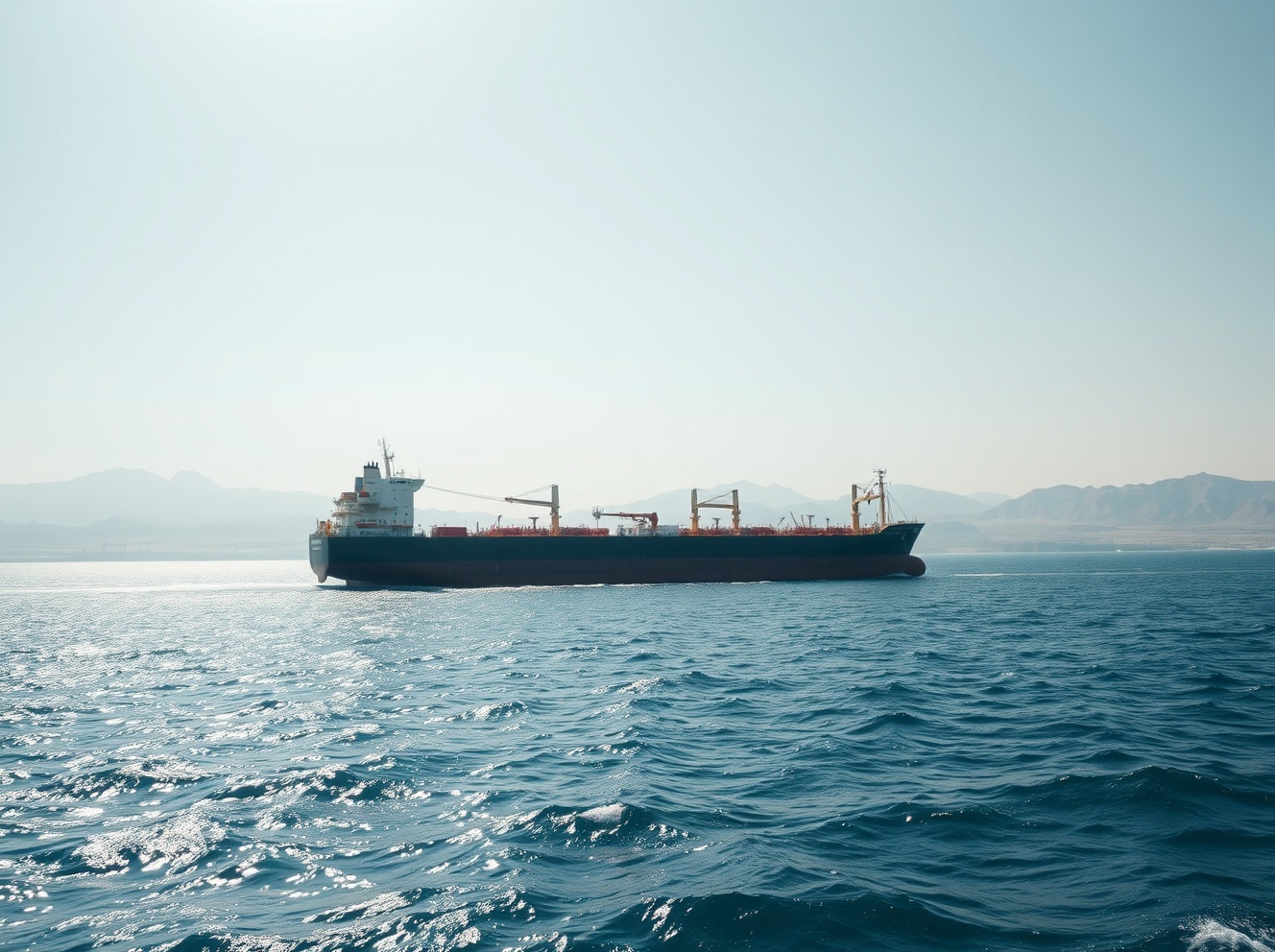
The Strait of Hormuz, a narrow waterway between Oman and Iran, handles roughly 20% of the world’s oil consumption. Any disruption or reopening directly impacts global supply calculations. The recent rumors suggest a potential easing of restrictions that had been imposed amid broader regional tensions, though the veracity of these reports remains unverified.
Geopolitical Context and Supply Dynamics
The speculation arrives against a backdrop of already tight global oil supplies. OPEC+ production cuts, ongoing sanctions on Russian crude, and reduced output from several member states have kept prices elevated throughout the year. A reopening of the Strait of Hormuz would theoretically add significant supply to the market, potentially alleviating some of the upward pressure on prices.
However, analysts caution that even if the strait were to reopen, the impact on prices may be tempered by other factors. Demand concerns, particularly from China and Europe, along with inventory data from the U.S. Energy Information Administration, continue to influence the broader outlook.
Implications for Consumers and Energy Markets
For consumers, a sustained decline in WTI prices could translate into lower gasoline and heating oil costs in the coming weeks, assuming the trend holds. However, the market remains highly sensitive to headlines, and any reversal in the diplomatic narrative could quickly erase the day’s losses.
Energy traders are closely watching for official statements from Iran, Oman, and other regional players. Until concrete evidence of a reopening emerges, the current price dip may represent a temporary reprieve rather than a structural shift in the market.
Conclusion
WTI oil’s slide toward $90 underscores the market’s acute sensitivity to geopolitical developments in the Persian Gulf. While the reopening rumors have injected a note of optimism into supply-side calculations, the lack of confirmation leaves the situation fluid. Investors and consumers alike should monitor official channels for clarity, as the energy landscape remains poised for further volatility.
FAQs
Q1: What is the Strait of Hormuz and why does it matter for oil prices?
The Strait of Hormuz is a narrow waterway between Iran and Oman through which about 20% of the world’s oil passes. Any disruption or reopening directly affects global oil supply and prices.
Q2: How low could WTI oil go if the strait reopens?
While difficult to predict, analysts suggest a confirmed reopening could push WTI into the mid-$80s range, depending on other supply and demand factors.
Q3: Are the reopening rumors confirmed?
No. As of now, no government or maritime authority has officially confirmed a reopening. The market is reacting to unverified speculation.
This post WTI Oil Nears $90 as Strait of Hormuz Reopening Rumors Weigh on Prices first appeared on BitcoinWorld.


Predictions Markets
See what traders are focused on
Share:
Predictions Markets
See what traders are focused on
Share:
Read More

Gold price slips as Trump says Iran ceasefire is over