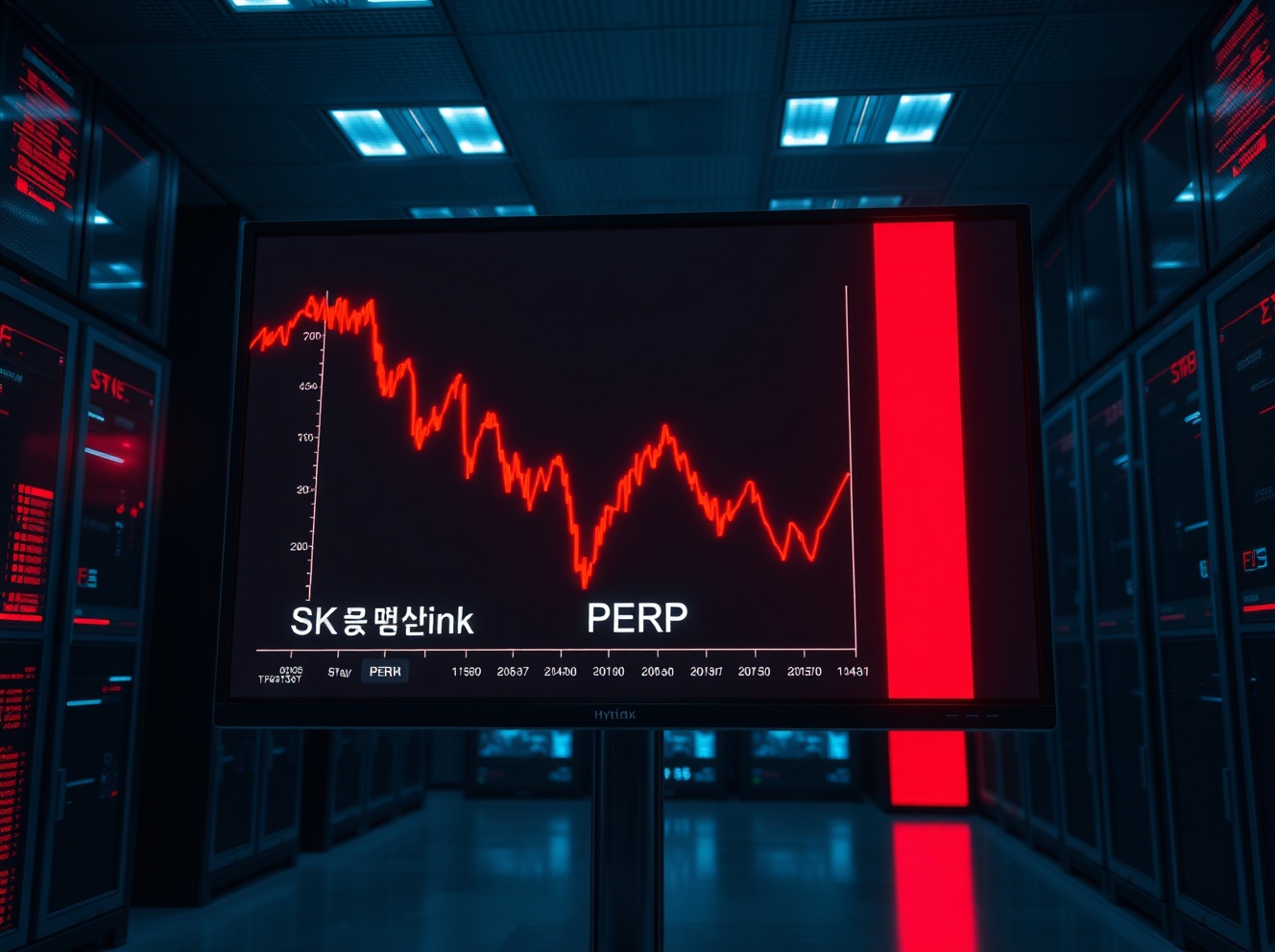
SK Hynix Perpetuals on Hyperliquid Flash Crash to $900 in Sudden Volatility Event
Share:
Perpetual futures on the Hyperliquid DEX that track SK Hynix plunged to about $900 in a flash crash before recovering, triggering cascading liquidations and exposing thin liquidity in crypto derivatives. The event highlights risks across DeFi synthetic stock products and urges traders to tighten risk management, reduce leverage and has drawn regulatory attention to market stability and investor protection.
Predictions Markets
See what traders are focused on

BitcoinWorld
SK Hynix Perpetuals on Hyperliquid Flash Crash to $900 in Sudden Volatility Event
Perpetual futures contracts tied to South Korean semiconductor giant SK Hynix experienced a flash crash on the Hyperliquid platform, with prices plunging to approximately $900 before recovering. The sudden volatility event, which occurred on the decentralized exchange, triggered liquidations and highlighted the risks inherent in trading crypto-based derivatives tied to traditional equities.
What Happened During the Flash Crash
Data from Hyperliquid’s order book shows that the SK Hynix perpetual contract, which tracks the company’s stock price via a synthetic mechanism, suffered a rapid and severe price dislocation. The contract dropped to around $900, far below its typical trading range, before bouncing back within a short period. The exact cause of the crash remains under review, but such events are often linked to large market orders, thin liquidity, or cascading liquidations in the derivatives market.
Context and Implications for Traders
Hyperliquid is a decentralized exchange (DEX) known for offering perpetual futures on a range of assets, including tokenized versions of traditional stocks. SK Hynix, a major memory chip manufacturer, is a popular underlying asset for these synthetic products. Flash crashes on DEXs can be more pronounced than on centralized exchanges due to lower liquidity depth and the mechanics of automated market making. For traders, this event underscores the importance of risk management, including the use of stop-loss orders and position sizing, especially when trading less liquid perpetual contracts.
Broader Market Relevance
The crash comes amid heightened volatility in both crypto and traditional equity markets, with semiconductor stocks particularly sensitive to global demand shifts. While the flash crash was contained to the Hyperliquid platform, it serves as a reminder of the experimental nature of synthetic stock derivatives in decentralized finance (DeFi). Regulators and market participants continue to monitor such products for systemic risks and investor protection concerns.
Conclusion
The flash crash of SK Hynix perpetuals on Hyperliquid to $900 illustrates the extreme price swings possible in decentralized derivatives markets. Traders should remain cautious, as liquidity constraints and automated liquidations can amplify losses. The event adds to ongoing discussions about the stability and oversight of synthetic asset trading in DeFi.
FAQs
Q1: What caused the SK Hynix perpetual flash crash on Hyperliquid?
The exact cause is not yet confirmed, but flash crashes in decentralized exchanges are often triggered by large market orders, thin liquidity, or cascading liquidations.
Q2: Is this crash indicative of a problem with SK Hynix’s stock?
No. The crash was specific to the perpetual futures contract on Hyperliquid and does not reflect any fundamental issue with SK Hynix’s actual stock or business performance.
Q3: How can traders protect themselves from such events?
Traders can use risk management tools like stop-loss orders, avoid excessive leverage, and trade assets with sufficient liquidity to reduce the impact of sudden price dislocations.
This post SK Hynix Perpetuals on Hyperliquid Flash Crash to $900 in Sudden Volatility Event first appeared on BitcoinWorld.
In This News
Coins

$ 55.50
-2.73%Predictions Markets
See what traders are focused on
Share:
In This News
Coins
$ 55.50
-2.73%Predictions Markets
See what traders are focused on
Share:
Read More

Swiss Franc Holds Ground Against US Dollar as Markets Eye Fed Decision