Japanese Yen Approaches Critical 160 Level Against US Dollar Amid Rising Intervention Risk

Share:
USD/JPY is nearing the critical 160 level—a 34-year low for the yen—driven by a sustained interest-rate gap as the BOJ keeps ultra-loose policy while the Fed holds elevated rates; Japan previously intervened after 150–152 moves in 2022–2023 and officials warn they may sell dollars and buy yen. A breach would raise import costs and corporate pressures in Japan and likely prompt FX intervention that could spark cross-asset volatility. That volatility poses downside risk for crypto markets, DeFi activity and CEX/DEX liquidity as yen-funded carry trades unwind and Japanese investor allocations shift, so the outlook is not clearly bullish for token prices or adoption.
Predictions Markets
See what traders are focused on

BitcoinWorld
Japanese Yen Approaches Critical 160 Level Against US Dollar Amid Rising Intervention Risk
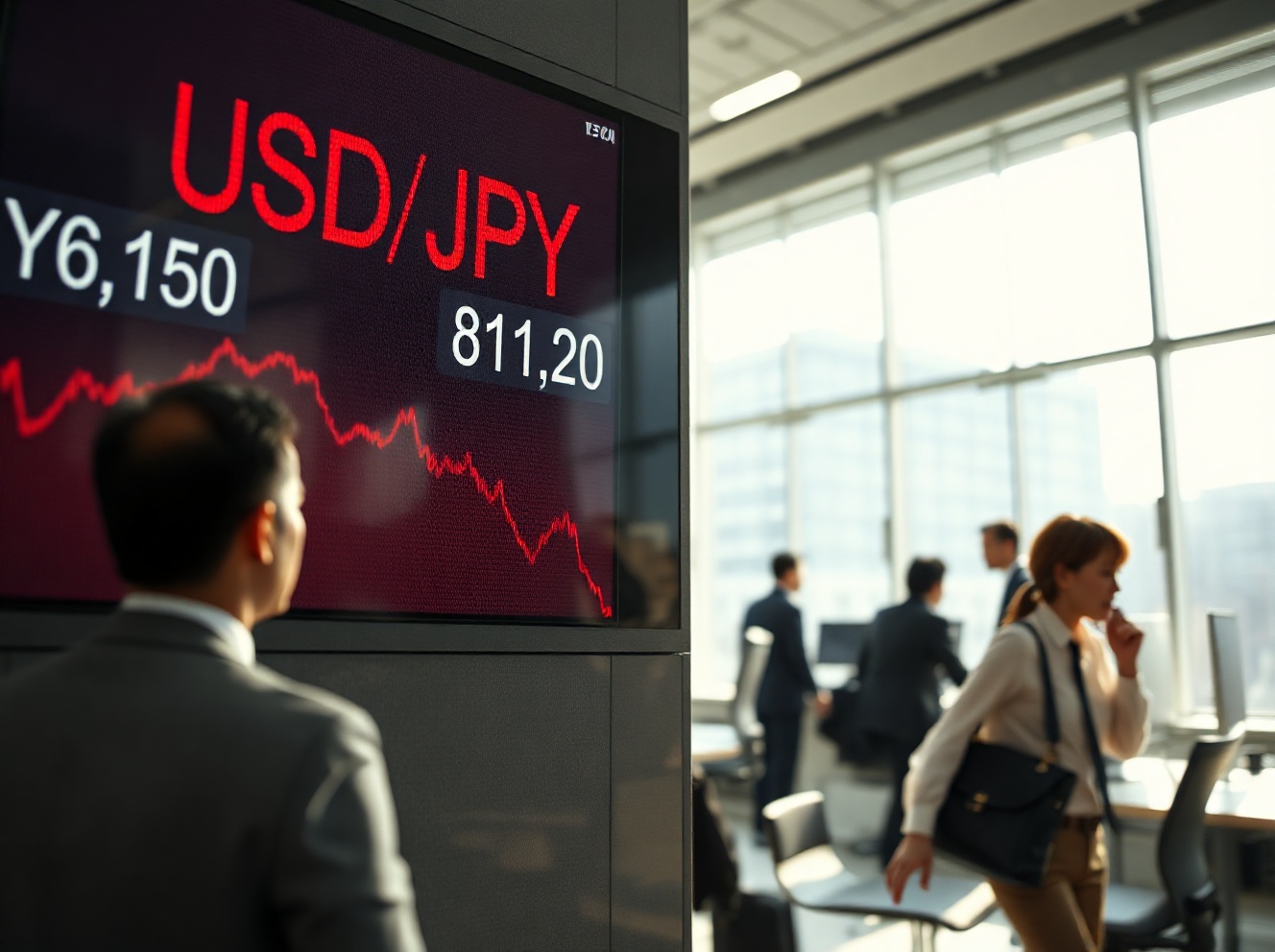
The Japanese Yen is once again testing a psychologically and strategically significant threshold against the United States Dollar, approaching the 160 level that has historically triggered intervention by Japanese monetary authorities. As of the latest trading sessions, the USD/JPY pair has edged closer to this key mark, reigniting market speculation about potential action from the Bank of Japan and the Ministry of Finance.
Why the 160 Level Matters
The 160 yen per dollar level is not merely a round number. It represents a line in the sand for Japanese policymakers. In late 2022 and again in October 2023, when the yen weakened past 150 and later approached 152, the government intervened directly in the foreign exchange market, selling US dollars and buying yen to stem the currency’s decline. The 160 level marks a new frontier that has not been tested since the early 1990s. A breach would signal a significant depreciation of the yen, which carries broad economic consequences for Japan’s import-dependent economy, corporate profitability, and consumer prices.
Japan’s reliance on imported energy, food, and raw materials means a weaker yen directly raises the cost of living for households and operating expenses for businesses. While a weaker yen benefits exporters like Toyota and Sony by making their goods cheaper abroad, the negative impact on domestic consumption and the trade balance has become a growing concern for policymakers.
Intervention Risks and Market Dynamics
Finance Minister Shunichi Suzuki and top currency diplomat Masato Kanda have repeatedly issued verbal warnings in recent weeks, stating that authorities are watching currency moves with a high sense of urgency and will take appropriate action against excessive volatility. However, the market has tested these warnings, driven by a persistent interest rate differential between Japan and the United States.
The Bank of Japan has maintained its ultra-loose monetary policy, keeping interest rates at or below zero, while the Federal Reserve has held rates at elevated levels to combat inflation. This yield gap encourages investors to borrow yen at low rates and invest in higher-yielding dollar assets, a strategy known as the carry trade. Until the BOJ signals a credible shift toward normalization, or the Fed begins cutting rates aggressively, the fundamental pressure on the yen remains skewed toward weakness.
What Intervention Would Look Like
Direct intervention typically involves the Ministry of Finance instructing the BOJ to sell dollars from Japan’s foreign reserves and buy yen. This can be done in open market operations, often coordinated with other central banks or conducted unilaterally. The effectiveness of such intervention is debated among economists. While it can temporarily halt a rapid decline, it rarely reverses a long-term trend without accompanying policy changes. Market participants also note that Japan’s ability to intervene is constrained by the size of its foreign reserves and the risk of retaliation from trading partners, particularly the United States, which prefers market-determined exchange rates.
Traders are watching for signs of stealth intervention, where authorities enter the market without public announcement, or for coordinated statements from the Group of Seven nations. The timing of any action is critical; intervening too early may waste ammunition, while waiting too long risks a disorderly move that could destabilize regional financial markets.
Broader Implications for Global Markets
The yen’s trajectory is not just a Japanese story. As the world’s third-largest economy and a major holder of US Treasury securities, Japan’s currency moves have global ripple effects. A sustained yen sell-off could prompt other Asian central banks to defend their own currencies, potentially triggering a wave of competitive devaluations. For international investors, the yen’s weakness affects the returns on Japanese assets, including equities and bonds, and influences portfolio allocation decisions across the region.
Moreover, the yen’s status as a traditional safe-haven currency has been challenged during this period of depreciation. In times of global uncertainty, investors have historically flocked to the yen, but the persistent weakness has eroded that reputation. Some analysts argue that the yen is now being treated more as a funding currency than a store of value, a shift with long-term implications for global capital flows.
Conclusion
The Japanese Yen’s approach to the 160 level against the US Dollar represents a pivotal moment for Japanese policymakers and global forex markets. The combination of persistent interest rate differentials, verbal warnings from officials, and the historical precedent of intervention creates a tense environment for traders. Whether authorities step in or allow the market to test the threshold will depend on the speed and nature of the move, as well as broader economic conditions. For now, the 160 level stands as both a technical barrier and a policy red line, with significant consequences for whichever side breaks first.
FAQs
Q1: What does the 160 level mean for the Japanese Yen?
The 160 level is a key psychological and historical resistance point for USD/JPY. It represents a 34-year low for the yen, and Japanese authorities have signaled they may intervene to prevent further depreciation if the currency weakens past this point.
Q2: How does currency intervention work in Japan?
The Ministry of Finance decides on intervention, and the Bank of Japan executes it by selling foreign currency reserves (usually US dollars) and buying yen in the open market. This increases demand for yen and can temporarily strengthen the currency.
Q3: Why is the yen weakening despite Japan’s warnings?
The primary driver is the interest rate differential between Japan and the US. The BOJ maintains near-zero rates while the Fed holds higher rates, encouraging carry trades where investors borrow yen to buy higher-yielding dollar assets. This structural pressure outweighs verbal intervention in the short term.
This post Japanese Yen Approaches Critical 160 Level Against US Dollar Amid Rising Intervention Risk first appeared on BitcoinWorld.


Read More
Japanese Yen Slips to Four-Week Low as Hormuz Tensions Outweigh Intervention Fears