Kazuo Ueda’s Double Tightening: Bank of Japan to Sell ETFs and Raise Rates Simultaneously

Share:
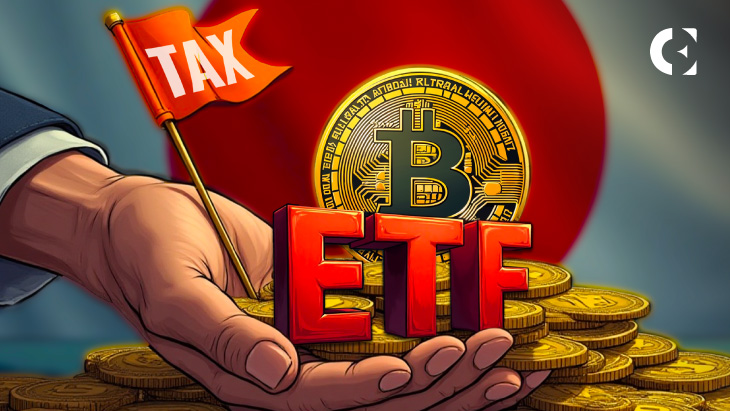
The Bank of Japan plans to begin offloading its ¥83 trillion ($534 billion) ETF portfolio as early as January 2026, marking a significant policy shift. Predictions indicate a potential interest rate hike from 0.50% to 0.75% at the upcoming December meeting. This move signals a departure from Abenomics and a transition from being the largest buyer of ETFs to a net seller.
Predictions Markets
See what traders are focused on

- BOJ has been one of the most aggressive central banks in terms of asset purchases, owning one of the biggest collections of ETFs globally
- In September, it had already laid out a plan for selling its ETFs and Japan real estate investment trusts (J-REITs)
- There are a lot of predictions that the BOJ will raise its policy interest rate from 0.50% to 0.75% at its December 18-19 meeting
The Bank of Japan (BOJ) is reportedly preparing to pull the plug on decades of artificial market support, with plans to begin offloading its colossal ¥83 trillion ($534 billion) ETF portfolio as early as January 2026. This strategic shift marks the final reversal of Abenomics, transforming the central bank from the stock market’s biggest buyer into a net seller.
Why did the BOJ start buying ETFs in the first place?
In terms of asset purchases, BOJ has been one of the most aggressive c…
Read The Full Article Kazuo Ueda’s Double Tightening: Bank of Japan to Sell ETFs and Raise Rates Simultaneously On Coin Edition.


Predictions Markets
See what traders are focused on
Share:
Predictions Markets
See what traders are focused on
Share:
Read More
Japan Prepares Crypto ETF Market Under New Financial Rules