Gold Edges Lower Near $4,400 as Iran-US Tensions Counter Tame US Inflation
Share:
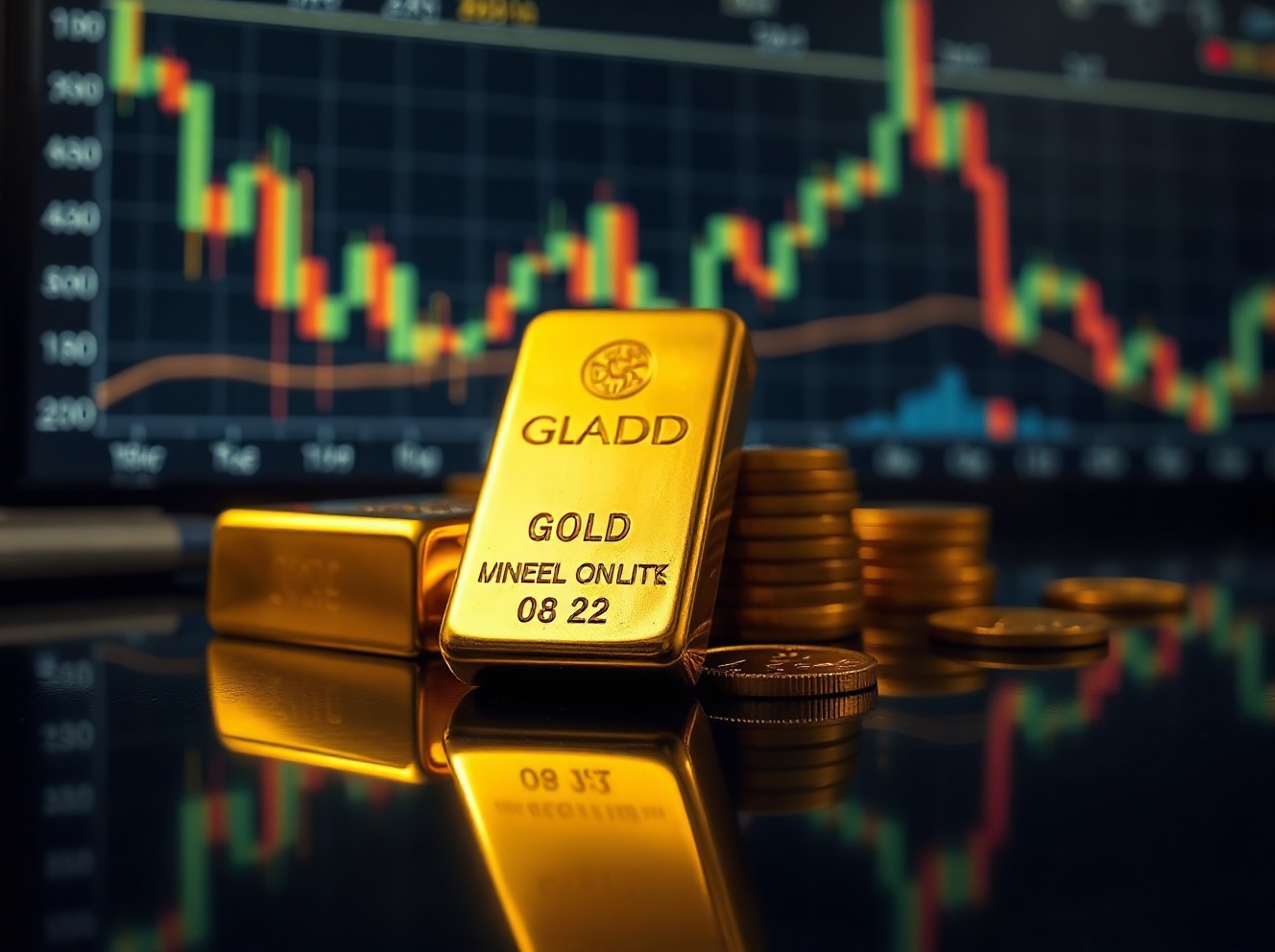
Gold traded near $4,400 per ounce as renewed Iran–US tensions provided some safe-haven support but tame US inflation reduced urgency for buying, leaving the metal rangebound with support around $4,300 and resistance near $4,500. Markets now price a higher chance of Fed rate cuts later this year, a dynamic that will drive volatility and influence flows between traditional assets and risk markets including crypto, DeFi, DEX/CEX liquidity and token adoption.
Predictions Markets
See what traders are focused on

BitcoinWorld
Gold Edges Lower Near $4,400 as Iran-US Tensions Counter Tame US Inflation
Gold prices slipped slightly on [current date], trading near $4,400 per ounce, as escalating Iran-US tensions provided some support but were offset by tame US inflation data that reduced safe-haven demand. The precious metal has been rangebound in recent sessions, with investors weighing geopolitical risks against monetary policy expectations.
Market Drivers: Geopolitical Tensions vs. Inflation Data
The latest move in gold comes as investors digest a mix of signals. On one hand, renewed tensions between Iran and the United States have historically driven demand for safe-haven assets like gold. However, the release of US inflation figures that came in below expectations has eased concerns about aggressive Federal Reserve rate hikes, which typically supports gold but also reduces the urgency for safe-haven buying.
According to market analysts, gold’s price action reflects a delicate balance. “The market is caught between geopolitical uncertainty and a more benign inflation outlook,” said one commodities strategist. “While tensions can spike demand temporarily, the broader trend remains tied to interest rate expectations.”
Impact on Investors and Market Outlook
For investors, the current gold price level suggests a period of consolidation. The metal has shown resilience above the $4,300 support level, but upside appears limited unless geopolitical risks escalate significantly or the Fed signals a more dovish stance. The tame inflation data could also influence the Fed’s policy path, with markets now pricing in a higher probability of rate cuts later this year.
Why This Matters
Gold remains a key asset for portfolio diversification, particularly in times of uncertainty. The interplay between geopolitical events and economic data will likely dictate gold’s direction in the coming weeks. Investors should monitor both developments closely, as any sudden shift in either could trigger volatility.
Conclusion
In summary, gold is trading near $4,400 as investors weigh the counterbalancing forces of Iran-US tensions and tame US inflation. The metal’s near-term path will depend on geopolitical developments and central bank signals. As always, a cautious approach is advised, with attention to both risk factors and economic indicators.
FAQs
Q1: Why did gold prices fall despite geopolitical tensions?
Gold fell because tame US inflation data reduced the need for safe-haven assets, offsetting the typical demand from Iran-US tensions. Investors are focusing more on monetary policy expectations than on geopolitical risks at the moment.
Q2: What is the current gold price level?
As of [current date], gold is trading near $4,400 per ounce, showing a slight decline from recent levels. The price has been rangebound, with support around $4,300 and resistance near $4,500.
Q3: How does US inflation affect gold prices?
US inflation data influences gold prices through its impact on Federal Reserve policy. Tame inflation may lead to lower interest rates, which typically supports gold, but it also reduces the urgency for safe-haven buying, creating a mixed effect.
This post Gold Edges Lower Near $4,400 as Iran-US Tensions Counter Tame US Inflation first appeared on BitcoinWorld.


Predictions Markets
See what traders are focused on
Share:
Predictions Markets
See what traders are focused on
Share:
Read More

Gold Remains a Resilient Investment in 2026: Key Drivers and What to Watch