China’s July Fixed Asset Investment Misses Forecasts as Growth Slows
Share:
Predictions Markets
See what traders are focused on

BitcoinWorld
China’s July Fixed Asset Investment Misses Forecasts as Growth Slows
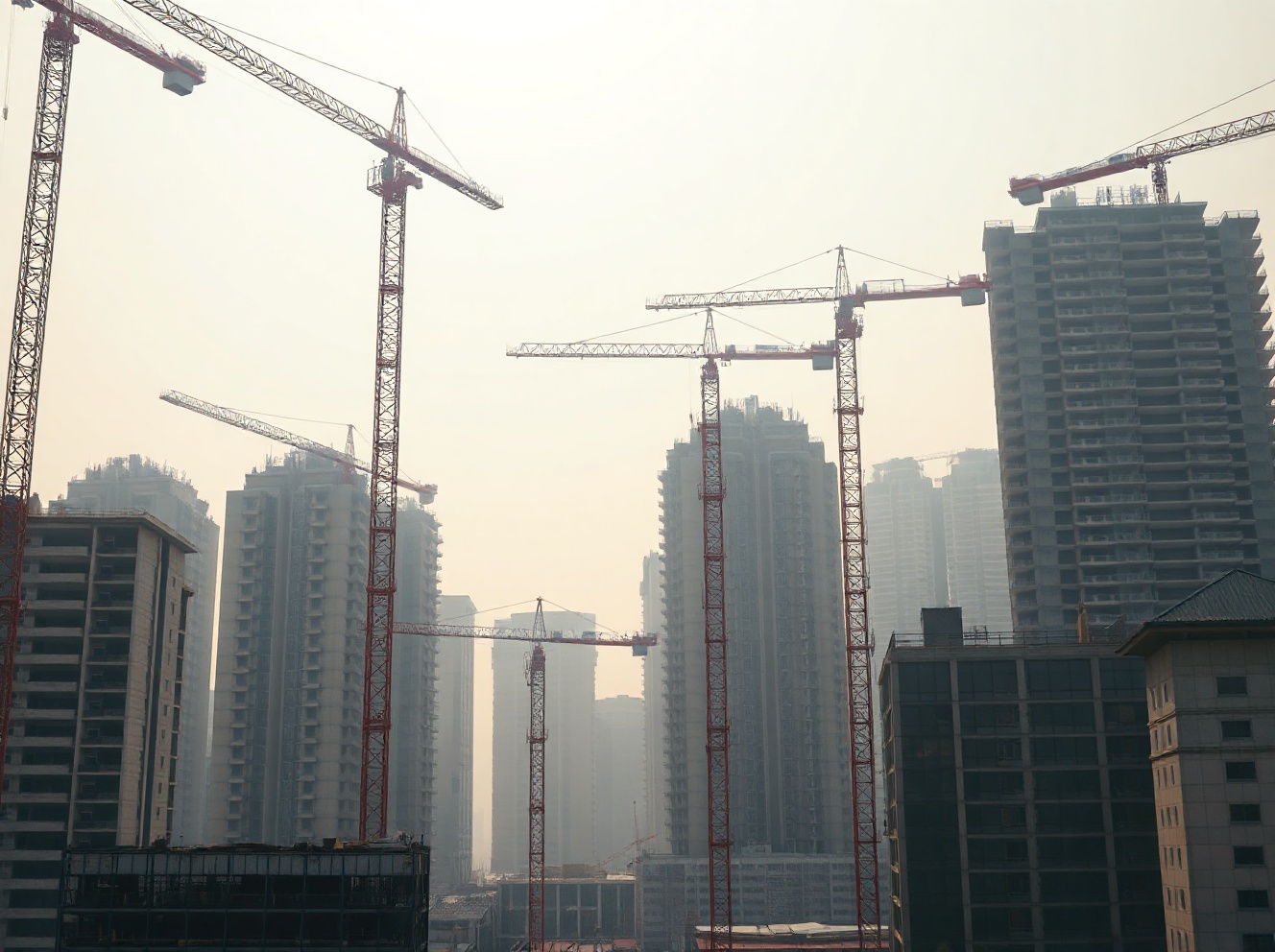
China’s year-to-date fixed asset investment (FAI) grew 3.6% in July 2026, falling short of market forecasts of 3.8% and decelerating from the 3.9% pace recorded in the first half of the year, according to official data released on [date]. The miss underscores persistent weakness in private-sector investment and adds to signs that domestic demand remains under pressure amid a fragile economic recovery.
What the Data Shows
The headline FAI figure, which covers investment in infrastructure, property, and manufacturing, has been trending lower since early 2026. The July reading marks the second consecutive monthly decline in the year-on-year growth rate, reflecting softer capital expenditure by businesses and continued contraction in the real estate sector. While infrastructure investment has been supported by government bond issuance and policy stimulus, manufacturing investment has shown mixed momentum, with high-tech industries outperforming traditional sectors.
Why It Matters
Fixed asset investment is a key driver of China’s economic growth, and the persistent slowdown raises concerns about the effectiveness of current policy support. The data also influences global markets, as China is a major engine of world demand for commodities, machinery, and raw materials. A weaker-than-expected FAI figure could prompt downward revisions to GDP forecasts and may pressure the Chinese yuan, while also affecting regional equity markets and commodity prices.
Market and Policy Implications
Economists note that the investment shortfall may push Beijing to accelerate infrastructure spending and consider additional monetary easing, such as cuts to the reserve requirement ratio or policy rates. However, structural issues—including local government debt burdens and weak private-sector confidence—limit the impact of such measures. The property sector, which remains a drag on overall investment, has yet to show a sustained turnaround despite multiple rounds of support policies.
Conclusion
China’s July FAI data, missing forecasts and slowing from the previous period, highlights the uneven nature of the country’s economic recovery. While policy support is expected to continue, the persistent weakness in investment suggests that a robust rebound is not yet assured. For investors and businesses, the data reinforces the need to monitor further policy signals and the trajectory of the property market in the coming months.
FAQs
Q1: What is China’s fixed asset investment?
Fixed asset investment (FAI) measures the total value of investments in physical assets such as buildings, machinery, and infrastructure. It is a key indicator of domestic demand and economic activity in China.
Q2: Why is the July FAI data important?
The July data, released as part of the year-to-date series, provides a timely snapshot of investment trends and is closely watched by economists and investors for signs of economic momentum or weakness.
Q3: How might this affect global markets?
As a major importer of commodities and a key link in global supply chains, China’s investment slowdown can reduce demand for raw materials and pressure commodity prices. It may also influence central bank policies and global growth expectations.
This post China’s July Fixed Asset Investment Misses Forecasts as Growth Slows first appeared on BitcoinWorld.


Read More
China House Price Index Shows Slower Decline in July, Improving to -3.2%