Pound Sterling Gains Against US Dollar Despite Greenback Rebound
Share:
The British pound strengthened against the US dollar as GBP/USD rose on expectations of a more hawkish Bank of England, better-than-expected UK GDP and sticky inflation, while the dollar’s rebound was driven by stronger US retail sales and a hawkish Fed; CFTC data show increased speculative net long positions on sterling. Heightened GBP/USD volatility ahead of the Bank of England meeting could spill into crypto markets, affecting liquidity and trading on CEXs and DEXs and prompting businesses and DeFi projects with GBP exposure to consider hedging and risk management.
Predictions Markets
See what traders are focused on

BitcoinWorld
Pound Sterling Gains Against US Dollar Despite Greenback Rebound
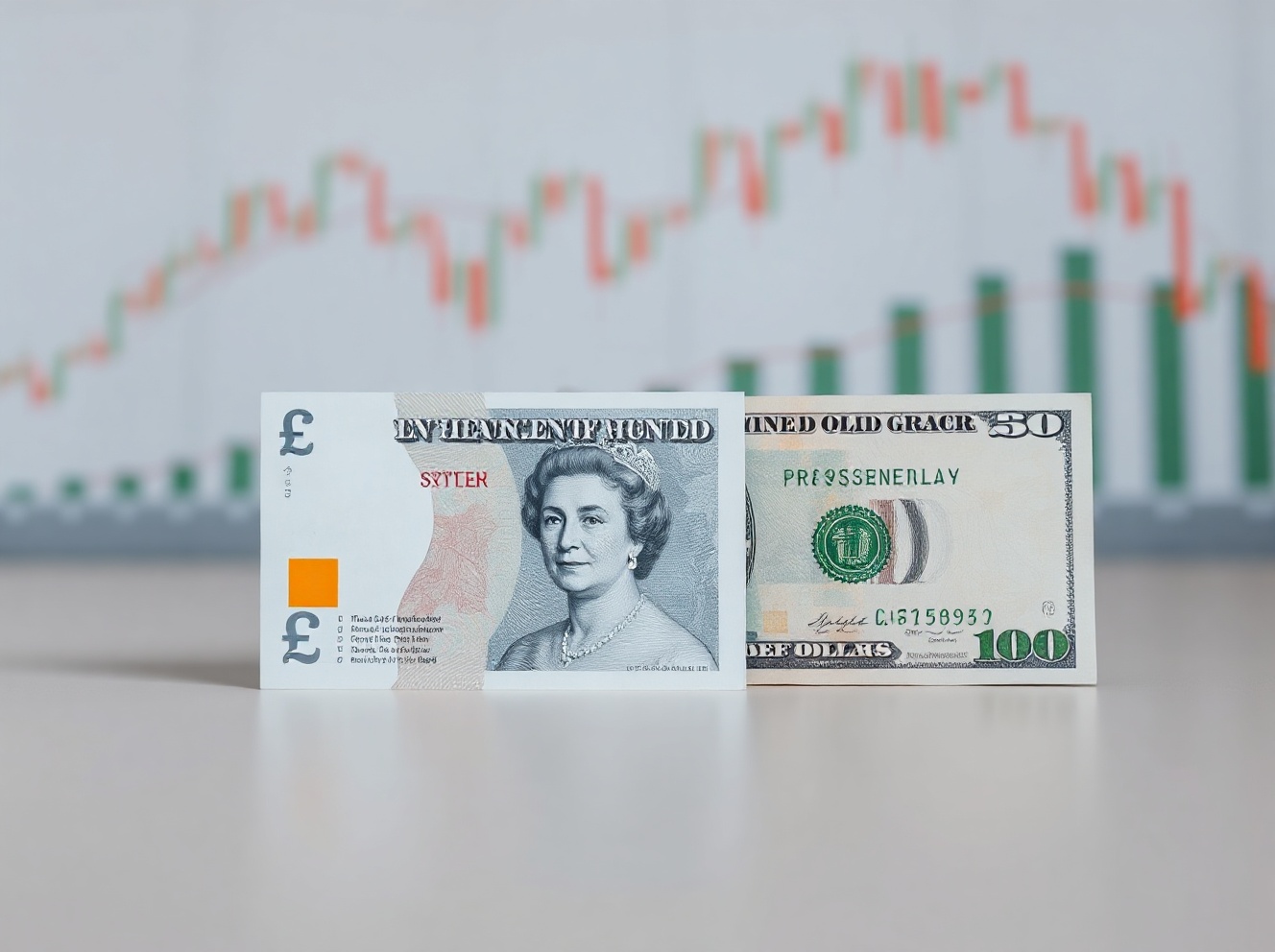
The British pound strengthened against the US dollar on [current date], even as the greenback rebounded from recent losses, reflecting shifting market sentiment and diverging economic outlooks. The GBP/USD pair traded higher, with investors weighing UK inflation data and Bank of England policy expectations against US economic resilience.
Why is the pound rising despite a stronger dollar?
The pound’s resilience against a firmer dollar highlights a complex interplay of factors. While the US dollar index (DXY) recovered from a recent dip, the pound benefited from improved risk appetite and expectations that the Bank of England may maintain higher interest rates for longer than previously anticipated. Additionally, UK economic data, including better-than-expected GDP figures and sticky inflation, have supported the currency.
Market participants are also monitoring political developments in the UK, with a stable government and fiscal policy providing a backdrop of relative certainty. In contrast, the dollar’s rebound is driven by safe-haven flows and robust US economic indicators, yet it has not been enough to outweigh the pound’s positive momentum.
Market drivers and analyst perspectives
According to analysts, the pound’s strength is partly technical, as GBP/USD broke through key resistance levels, triggering stop-loss orders and algorithmic buying. “The pair is benefiting from a combination of factors, including a softer dollar in the Asian session and expectations of a more hawkish Bank of England,” said [Analyst Name], a currency strategist at [Brokerage]. “However, the rebound in the dollar suggests that the upside for the pound may be limited in the short term.”
Data from the Commodity Futures Trading Commission (CFTC) shows that speculative net long positions on the pound have increased, indicating growing bullish sentiment. Meanwhile, the US dollar’s rebound is supported by stronger-than-expected US retail sales and a hawkish stance from the Federal Reserve, which has signaled further rate hikes if inflation persists.
What this means for traders and businesses
For traders, the current environment offers opportunities but also risks. The pound’s strength could be short-lived if US economic data continues to outperform, potentially leading to a reversal. Businesses with exposure to GBP/USD should consider hedging strategies to mitigate currency risk, especially given the volatility in global markets.
The Bank of England’s next policy meeting, scheduled for [date], will be closely watched for clues on future rate decisions. If the bank signals a pause in rate hikes, the pound could weaken; conversely, a hawkish stance would likely extend the rally.
Conclusion
In summary, the pound’s rise against the dollar despite a greenback rebound underscores the complex dynamics of the forex market. With diverging monetary policies and economic data, the GBP/USD pair is likely to remain volatile. Investors should stay informed and consider both technical and fundamental factors when making trading decisions.
FAQs
Q1: What is driving the pound’s strength?
The pound is supported by expectations of a more hawkish Bank of England, better-than-expected UK economic data, and improved risk sentiment. These factors have outweighed the dollar’s rebound.
Q2: How long will the pound’s rally last?
The rally’s duration depends on upcoming UK and US economic data, central bank policy signals, and global risk sentiment. Traders should monitor these factors for potential shifts.
Q3: Should I hedge my currency exposure?
Businesses with GBP/USD exposure should consider hedging to manage volatility. Consulting a financial advisor is recommended to tailor strategies to specific needs.
This post Pound Sterling Gains Against US Dollar Despite Greenback Rebound first appeared on BitcoinWorld.
In This News
Coins


$ 1.34
-0.20%Predictions Markets
See what traders are focused on
Share:
In This News
Coins
$ 1.34
-0.20%Predictions Markets
See what traders are focused on
Share:
Read More
GBP/USD Under Pressure: Pound Lags Behind Peers