Fed’s Schmid Warns Inflation Remains the ‘Biggest Risk’ to the Economy
Share:
Kansas City Fed President Jeff Schmid warned inflation remains the 'biggest risk', noting CPI at 3.4% year‑over‑year versus the Fed's 2% target and a 2022 peak of 9.1%, and said rates may need to stay elevated if inflation is sticky. He signaled rate cuts are unlikely before late 2025 and a restrictive stance through at least Q3 2025; combined with 272,000 jobs added in May, 4.0% unemployment and mortgage rates above 7%, this tighter outlook could pressure crypto markets, DeFi lending, token fundraising and adoption by raising borrowing costs and dampening risk appetite.
Predictions Markets
See what traders are focused on

BitcoinWorld
Fed’s Schmid Warns Inflation Remains the ‘Biggest Risk’ to the Economy
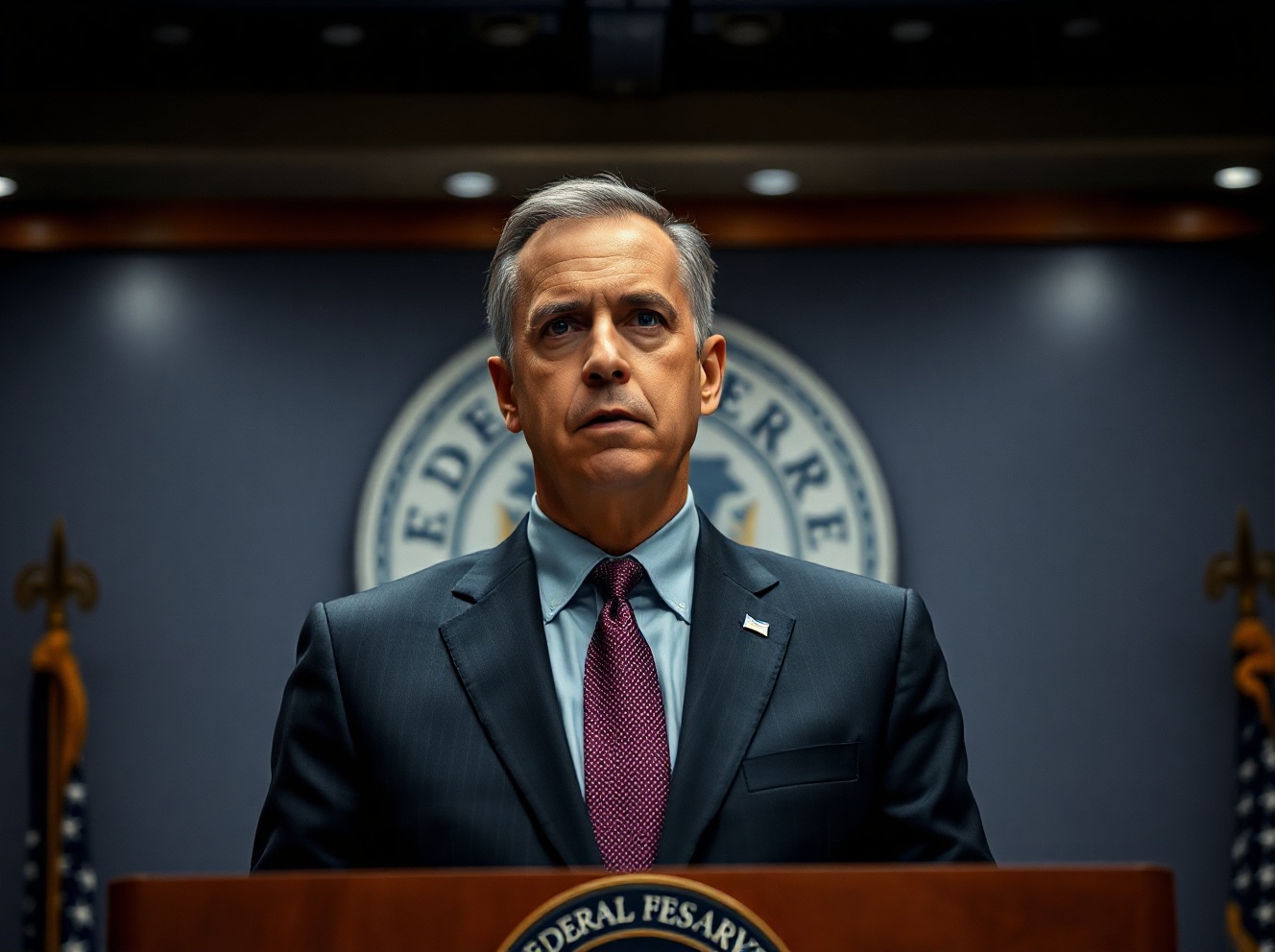
Kansas City Federal Reserve President Jeff Schmid delivered a stark assessment on Tuesday, identifying inflation as the single greatest threat facing the U.S. economy. Speaking at an economic forum in Omaha, Nebraska, Schmid emphasized that price stability remains the central bank’s primary objective, even as other economic indicators show mixed signals.
Inflation Still Elevated, Path Uncertain
Schmid’s comments come as the latest Consumer Price Index (CPI) data showed inflation running at 3.4% year-over-year, still above the Fed’s 2% target. While inflation has moderated significantly from its 2022 peak of 9.1%, progress has stalled in recent months. ‘We are not yet at the point where we can declare victory,’ Schmid said. ‘The labor market remains tight, and consumer spending continues to drive demand-side pressures.’
The Fed official cautioned against premature easing, suggesting that interest rates may need to remain at current levels—or even rise further—if inflation proves sticky. His remarks align with a growing hawkish sentiment among some Fed policymakers who worry that financial markets are pricing in rate cuts too quickly.
Broader Economic Context
Schmid’s warning arrives amid a complex economic backdrop. The U.S. economy added 272,000 jobs in May, far exceeding expectations, while the unemployment rate held at 4.0%. However, manufacturing activity has contracted for seven consecutive months, and consumer confidence dipped in June. These conflicting signals make the Fed’s task particularly challenging.
Schmid acknowledged the tension between supporting growth and controlling prices. ‘We have to be patient and let the data guide us,’ he stated. ‘Making a policy mistake by acting too early would be far more damaging than acting too late.’
What This Means for Markets and Consumers
For investors, Schmid’s remarks reinforce expectations that the Fed will maintain its restrictive stance through at least the third quarter of 2025. Mortgage rates, already above 7%, could remain elevated, dampening housing market activity. For consumers, persistent inflation means continued pressure on household budgets, particularly for essentials like food, energy, and rent.
Economists note that the Fed’s credibility is at stake. If inflation reaccelerates, the central bank would face a difficult choice: tighten further and risk a recession, or accept higher inflation for longer. Schmid’s comments suggest the Fed is prioritizing the former.
Conclusion
Jeff Schmid’s characterization of inflation as the ‘biggest risk’ underscores the Federal Reserve’s cautious posture heading into the second half of 2025. With inflation still above target and the labor market resilient, the path to rate cuts remains uncertain. Policymakers are signaling that they will err on the side of restraint, prioritizing long-term price stability over short-term economic stimulus.
FAQs
Q1: Why does Fed’s Schmid consider inflation the biggest risk?
Schmid argues that persistent inflation erodes purchasing power, distorts economic decision-making, and could force the Fed into more aggressive tightening later, which would harm growth. He views price stability as the foundation for sustainable employment and economic expansion.
Q2: Will interest rates be cut soon?
Based on Schmid’s comments and recent Fed projections, rate cuts are unlikely before late 2025. The Fed is waiting for consistent evidence that inflation is sustainably moving toward its 2% target before adjusting policy.
Q3: How does inflation affect everyday consumers?
High inflation reduces the real value of wages and savings, increases the cost of borrowing for homes and cars, and raises prices for everyday goods and services. It disproportionately impacts lower-income households who spend a larger share of their income on necessities.
This post Fed’s Schmid Warns Inflation Remains the ‘Biggest Risk’ to the Economy first appeared on BitcoinWorld.
Predictions Markets
See what traders are focused on
Share:
Predictions Markets
See what traders are focused on
Share:
Read More
US Dollar Index Holds Steady After Fed’s ‘Unanimous’ Hold — But the Votes Tell a Different Story