WTI Holds Near $75.00 as Middle East Diplomacy Tempers Supply Fears
Share:
WTI crude futures are holding near $75.00 per barrel as Middle East diplomacy tempers but does not eliminate supply fears, with immediate support at $73.50, resistance at $77.20 and upside risk above $80 if talks break down. This rangebound oil strength, driven by Red Sea shipping risks, OPEC+ production cuts and inventories below seasonal averages, could dampen risk-on flows into crypto and DeFi, pressuring token performance on CEX and DEX and slowing adoption until clearer geopolitical or inventory signals emerge.
Predictions Markets
See what traders are focused on

BitcoinWorld
WTI Holds Near $75.00 as Middle East Diplomacy Tempers Supply Fears
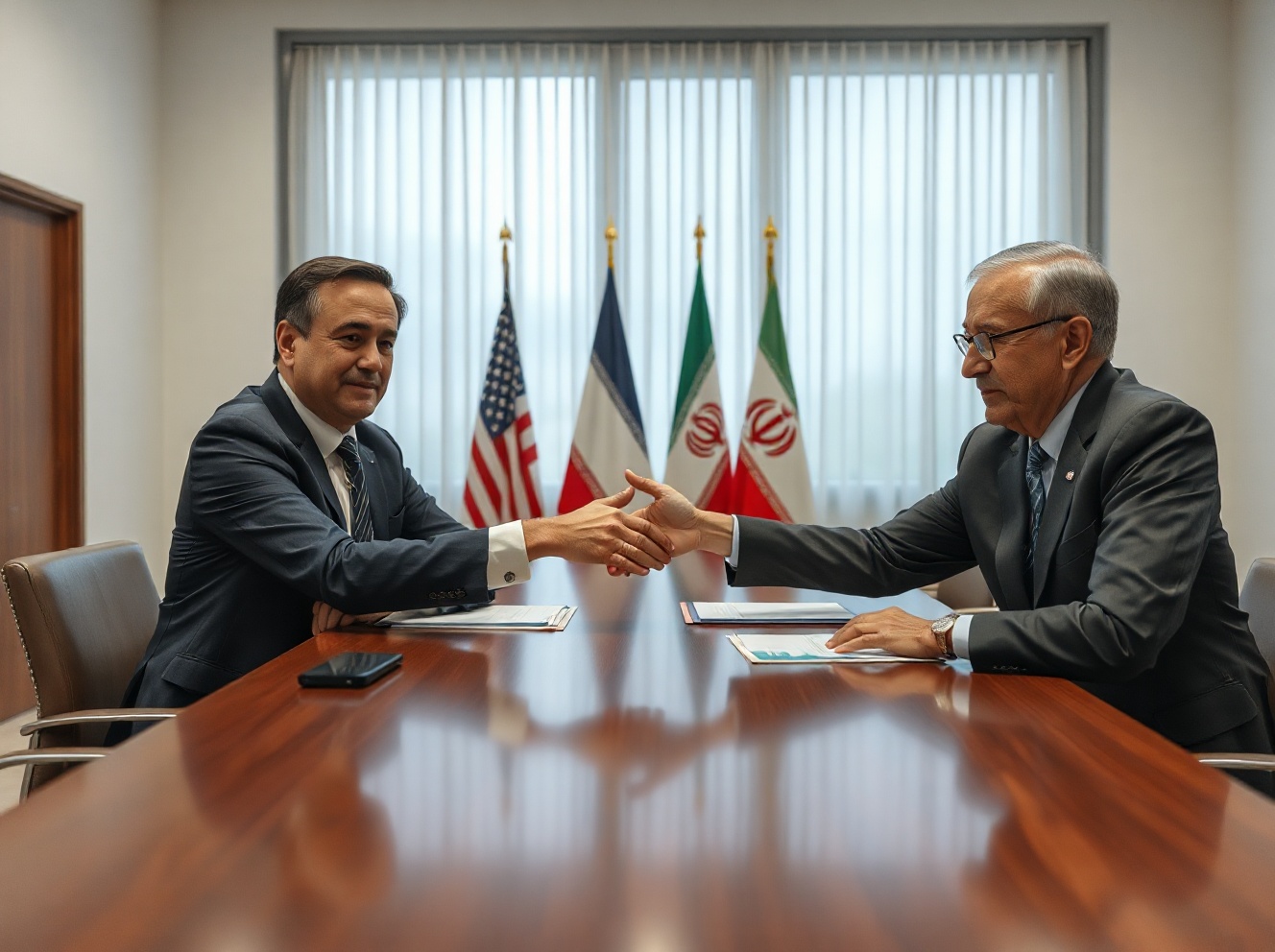
WTI crude oil futures traded near $75.00 per barrel on Tuesday, holding gains despite reports of diplomatic progress in the Middle East that could ease supply disruptions. The market remains balanced between geopolitical risk premiums and expectations of increased supply from the region.
Why WTI is Holding Above $75 Despite Diplomacy
Diplomatic efforts in the Middle East have historically led to a reduction in geopolitical risk premiums in oil markets. However, the current situation is more nuanced. While talks have progressed, no concrete agreement has been finalized, and key producers in the region have not yet signaled changes in output policy.
As of this writing, WTI futures are hovering around $75.00, supported by ongoing concerns about supply disruptions from the Red Sea shipping route and production cuts from major exporters. The market is also watching global demand signals, particularly from China, the world’s largest crude importer.
Market Drivers: Geopolitical Risk vs. Supply Fundamentals
The oil market has been volatile in recent weeks, with prices swinging on headlines from the Middle East. Diplomatic progress often triggers profit-taking, but the underlying supply picture remains tight. OPEC+ members have maintained production cuts, and global inventories are below seasonal averages.
Analysts note that the market is pricing in a ‘wait-and-see’ approach. If diplomacy leads to a lasting de-escalation, WTI could retreat toward the low $70s. Conversely, any breakdown in talks could push prices back above $80.
What Traders Are Watching
Key levels to monitor include $73.50 as immediate support and $77.20 as resistance. A break above $77 could signal a return to bullish momentum, while a drop below $73 might trigger a sell-off. Trading volumes have been moderate, suggesting market participants are awaiting clearer signals.
Conclusion
WTI’s resilience near $75.00 reflects a market that is cautiously optimistic about diplomacy but still wary of supply risks. For now, the oil market remains rangebound, with geopolitical headlines likely to drive the next major move. Traders should stay alert to developments from the region and upcoming inventory data.
FAQs
Q1: Why is WTI crude oil priced near $75.00?
WTI is near $75.00 due to a balance between geopolitical risk premiums from Middle East tensions and supply fundamentals, including OPEC+ production cuts and global demand expectations.
Q2: How does Middle East diplomacy affect oil prices?
Diplomatic progress can reduce the risk of supply disruptions, leading to lower prices. However, if no concrete agreement is reached, the market retains a risk premium, keeping prices elevated.
Q3: What are the key price levels to watch for WTI?
Immediate support is at $73.50, while resistance is at $77.20. A breakout above $77 could signal further gains, while a drop below $73 might lead to a decline.
This post WTI Holds Near $75.00 as Middle East Diplomacy Tempers Supply Fears first appeared on BitcoinWorld.
Predictions Markets
See what traders are focused on
Share:
Predictions Markets
See what traders are focused on
Share:
Read More
US Nears Hormuz Deal, Aiming for Wednesday Announcement – Axios