
AI boom pushes Big Tech to invest in next-gen energy

Share:
Meta secured up to 1 GW of space‑solar from Overview Energy (demo 2028, commercial 2030) and is doubling down on nuclear and geothermal deals while building gigawatt‑scale data centres (Louisiana project could cost ~$50B). Data centres used ~4.6% of US power in 2024 and could nearly triple by 2028; Goldman Sachs sees ~8% by 2030 and Rystad estimates data centres + EVs could add ~290 TWh by decade end, straining grids and raising long‑term energy costs. Crypto implications: tighter baseload supply increases costs and operational risk for energy‑intensive crypto mining (PoW), likely accelerating PoS adoption and demand for green power; opens opportunities for energy‑backed fundraising, tokenization and resilience investments across DeFi, CEX and DEX infrastructure.
Predictions Markets
See what traders are focused on

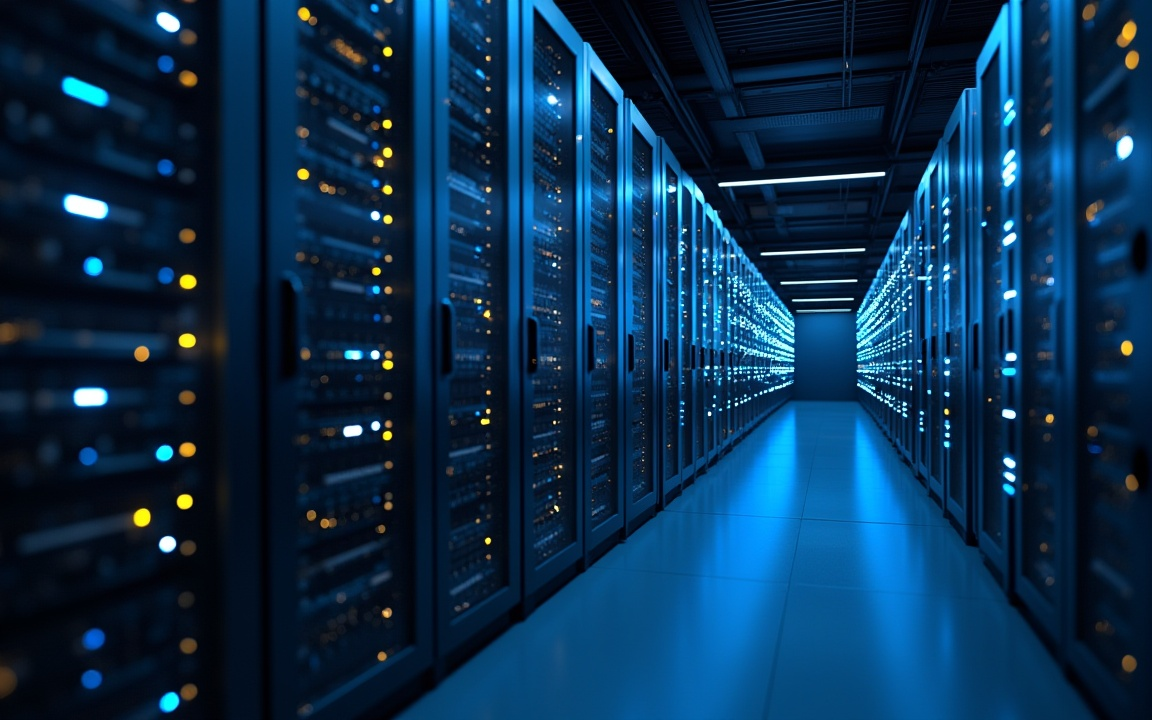
Big Tech is entering an intensifying race to secure reliable, long-term energy as the rapid expansion of artificial intelligence drives an unprecedented surge in data centre power demand, forcing companies to lock in everything from nuclear and geothermal to experimental sources such as fusion and even space-based solar.
Against this backdrop, Meta Platforms has become the latest to strike an unconventional deal, highlighting how the battle for computing dominance is increasingly becoming a battle for electricity.
Meta Platforms on Monday struck a deal with Overview Energy to secure electricity from a futuristic source: solar power generated in space and transmitted to Earth.
The agreement gives Meta early access to as much as 1 gigawatt of capacity from Overview’s planned infrastructure, which aims to collect solar energy in orbit and beam it to ground facilities around the clock.
An initial demonstration is expected by 2028, with commercial deployment targeted for 2030.
The move highlights how the explosive growth of AI and data centers is reshaping not just computing, but global energy strategies.
Overview Energy's model a new frontier in energy sourcing
Overview Energy’s model seeks to overcome the intermittency of traditional renewable energy by harvesting uninterrupted solar power in space.
While the technology remains unproven at scale, Meta’s involvement signals growing willingness among major corporations to back experimental solutions in anticipation of future demand.
Meta is already building several gigawatt-scale data centers across the United States, including a massive Louisiana project that could cost as much as $50 billion.
The scale of these facilities reflects the enormous energy requirements of AI training and cloud infrastructure.
To meet this demand, Meta has also forged partnerships with nuclear energy players such as Vistra, Oklo and TerraPower, positioning itself among the largest corporate buyers of clean and baseload power.
Big Tech’s energy arms race
Meta’s deal comes amid a broader push by major technology firms to secure long-term energy supplies as AI adoption accelerates.
In 2024, Microsoft signed a landmark agreement with Constellation Energy to purchase electricity from the restarted Three Mile Island nuclear plant, in a 20-year deal designed to power its data centers with carbon-free energy.
Constellaton expects Unit 1 of the plant, located near Middletown, Pennsylvania, to return to service in 2028, pending approval from the Nuclear Regulatory Commission.
It also intends to seek an extension of the reactor’s operating life through at least 2054.
Microsoft has also committed to buying power from Helion Energy, betting on fusion technology that remains commercially unproven but is often described as the “Holy Grail” of energy.
Last year, Talen Energy said it had expanded its nuclear partnership with Amazon, agreeing to supply up to 1,920 megawatts of electricity from its Susquehanna plant in Pennsylvania to power Amazon Web Services data centres.
The agreement, which runs through 2042, provides Talen with a stable, long-term revenue stream while helping Amazon meet rising demand for carbon-free energy to support its AI and cloud infrastructure.
As part of the partnership, the two companies are also exploring the development of new small modular reactors within Talen’s Pennsylvania footprint, along with plans to boost output at the existing facility.
Similarly, Google partnered with Fervo Energy in 2021 to develop an enhanced geothermal system in Nevada aimed at supplying clean power.
By 2023, the company said the project had become operational, with carbon-free electricity beginning to flow into the local grid that supports its data centre operations in the state.
These deals underline a shift toward long-duration, stable and often unconventional energy sources as companies seek to ensure reliability while meeting climate commitments.
Demand surge strains the grid
The urgency behind these investments is reflected in rapidly rising electricity demand.
Data centers accounted for about 4.6% of total US power consumption in 2024, a figure that could nearly triple by 2028, according to government estimates.
Analysts at Goldman Sachs expect data centers to consume around 8% of US electricity by 2030, up from roughly 3% today.
Meanwhile, Rystad Energy estimates that data centers and electric vehicles combined could add 290 terawatt hours of demand by the end of the decade.
This surge is placing unprecedented strain on existing power infrastructure, prompting concerns about grid stability and long-term supply.
Climate goals under pressure
Despite record purchases of clean energy in recent years, emissions from major technology companies have continued to rise as their operations expand.
Overall emissions have increased over roughly the past five years, according to company sustainability reports.
A Fortune analysis found emissions rose by nearly 50% at Google, 33% at Amazon, more than 23% at Microsoft, and over 60% at Meta Platforms.
The divergence between clean energy procurement and actual emissions reflects the sheer scale of energy consumption driven by AI workloads.
As a result, companies are being pushed to explore new solutions that can deliver both scale and sustainability often at the frontier of technological feasibility.
The post AI boom pushes Big Tech to invest in next-gen energy appeared first on Invezz


