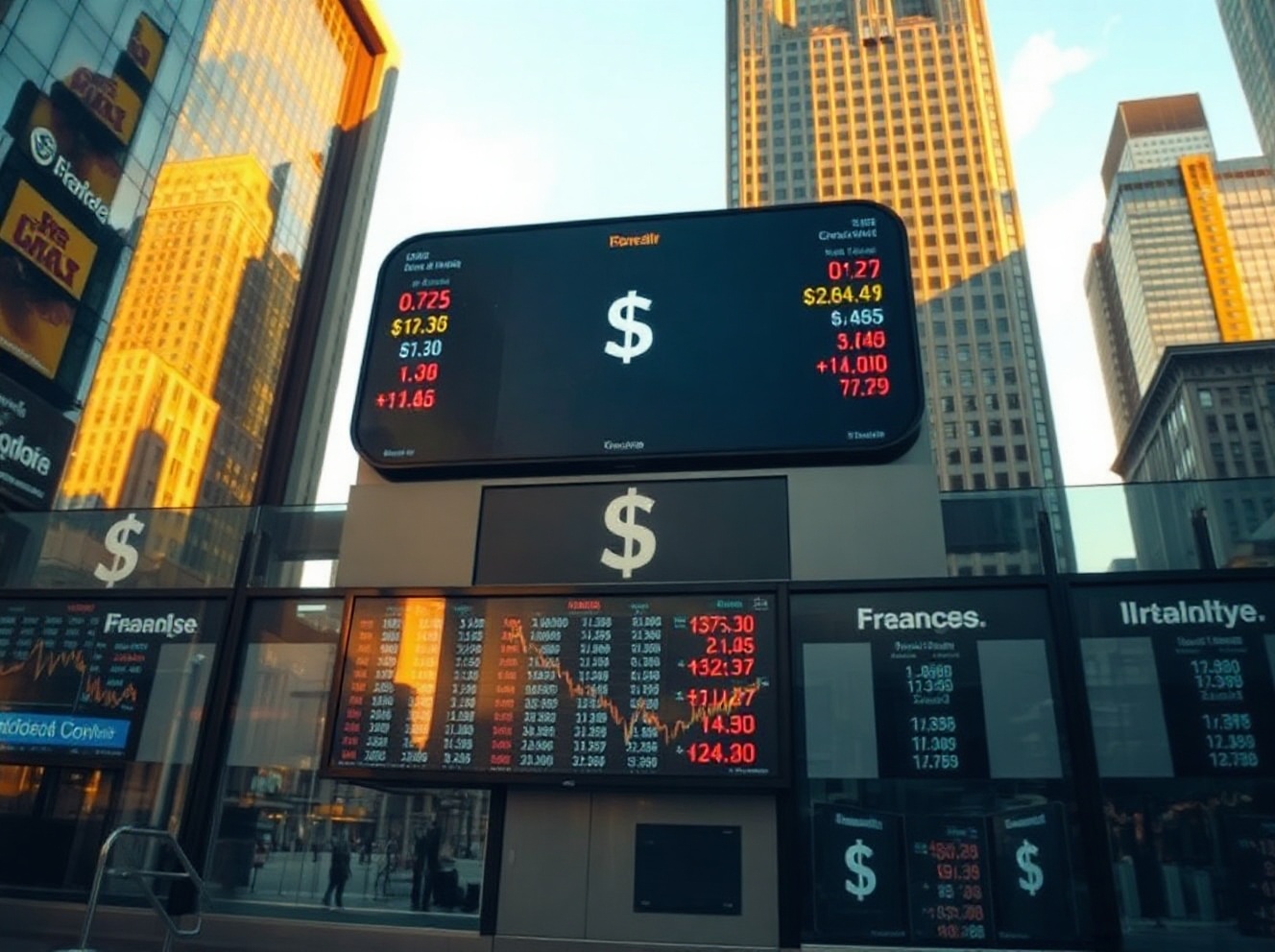
Dollar Steady Near Two-Month High as US-Iran Tensions Rise and Fed Rate Caution Persists
Share:
Renewed US‑Iran tensions and cautious Federal Reserve commentary have lifted the US dollar to near a two‑month high (DXY ~104.50), pushed the euro below $1.08 and the yen near 150, and delayed market pricing of the first Fed rate cut until around September. This risk‑off, stronger‑dollar environment increases oil and inflation risks and is likely to pressure crypto prices, reduce CEX/DEX liquidity, weigh on DeFi activity and token performance, and constrain near‑term fundraising and adoption.
Predictions Markets
See what traders are focused on

BitcoinWorld
Dollar Steady Near Two-Month High as US-Iran Tensions Rise and Fed Rate Caution Persists
The US dollar held near a two-month high on Tuesday, supported by renewed geopolitical tensions between the United States and Iran, as well as growing caution over the Federal Reserve’s interest rate trajectory. The greenback’s strength reflects a broader risk-off sentiment among investors, who are weighing the potential for supply disruptions and inflationary pressures stemming from Middle East instability.
Geopolitical Risk Drives Safe-Haven Demand
Fresh escalations in US-Iran relations have injected a new layer of uncertainty into global markets. Reports of increased military posturing and diplomatic friction have prompted investors to seek refuge in traditional safe-haven assets, including the US dollar and gold. The dollar index, which measures the currency against a basket of six major peers, remained near its highest level since early January, hovering around 104.50.
Analysts note that while the direct economic impact of these tensions remains limited for now, the potential for disruption to oil shipments through the Strait of Hormuz — a critical chokepoint for global crude — could have far-reaching consequences. Higher energy costs would likely feed into inflation, complicating central bank policy decisions worldwide.
Fed Rate Caution Adds to Dollar Strength
Alongside geopolitical risks, the dollar is drawing support from a more cautious tone from Federal Reserve officials. Recent comments from several Fed policymakers have emphasized the need to keep interest rates elevated for longer to ensure inflation returns to the 2% target. Markets have dialed back expectations for early rate cuts, with the first reduction now fully priced in for September at the earliest, according to CME FedWatch data.
This hawkish repricing has widened the yield advantage of US bonds over those of other developed economies, making dollar-denominated assets more attractive. The euro, for instance, slipped below $1.08 against the dollar, while the Japanese yen remained under pressure near the 150 level, prompting verbal intervention warnings from Tokyo.
What This Means for Investors and Consumers
A stronger dollar has mixed implications. For US consumers, it helps keep import prices in check, potentially easing inflationary pressures on goods. However, for multinational corporations and emerging markets, a robust dollar can squeeze profits and increase debt servicing costs. Travelers heading abroad will find their dollars go further, but foreign investors may see reduced returns when converting back to local currencies.
Currency markets are likely to remain sensitive to any developments in US-Iran diplomacy or shifts in Fed rhetoric. Traders are closely watching upcoming US economic data, including consumer confidence and GDP revisions, for further clues on the economy’s resilience.
Conclusion
The US dollar’s strength near a two-month high is a reflection of a market caught between geopolitical uncertainty and monetary policy caution. While safe-haven flows provide near-term support, the currency’s trajectory will depend on whether tensions escalate further and how aggressively the Fed maintains its restrictive stance. For now, the greenback remains the preferred hedge in an increasingly uncertain global landscape.
FAQs
Q1: Why does the US dollar rise during geopolitical tensions?
Investors often flock to the US dollar during geopolitical crises because it is considered a safe-haven currency due to the depth and liquidity of US financial markets, as well as the relative stability of the US economy.
Q2: How do US-Iran tensions affect the dollar and oil prices?
Escalating tensions raise the risk of supply disruptions in the Middle East, particularly through the Strait of Hormuz. This typically pushes oil prices higher, which can increase inflation expectations and support the dollar as a hedge against uncertainty.
Q3: Will the Federal Reserve cut rates soon given the current environment?
Market expectations for rate cuts have been pushed back due to sticky inflation and cautious Fed commentary. Most traders now anticipate the first rate cut no earlier than September, though this could change if economic conditions deteriorate or geopolitical risks escalate significantly.
This post Dollar Steady Near Two-Month High as US-Iran Tensions Rise and Fed Rate Caution Persists first appeared on BitcoinWorld.


Predictions Markets
See what traders are focused on
Share:
Predictions Markets
See what traders are focused on
Share:
Read More

Euro Steadies Near Mid-1.15s, Highest Since June 17, as Fed Rate Hike Bets Recede