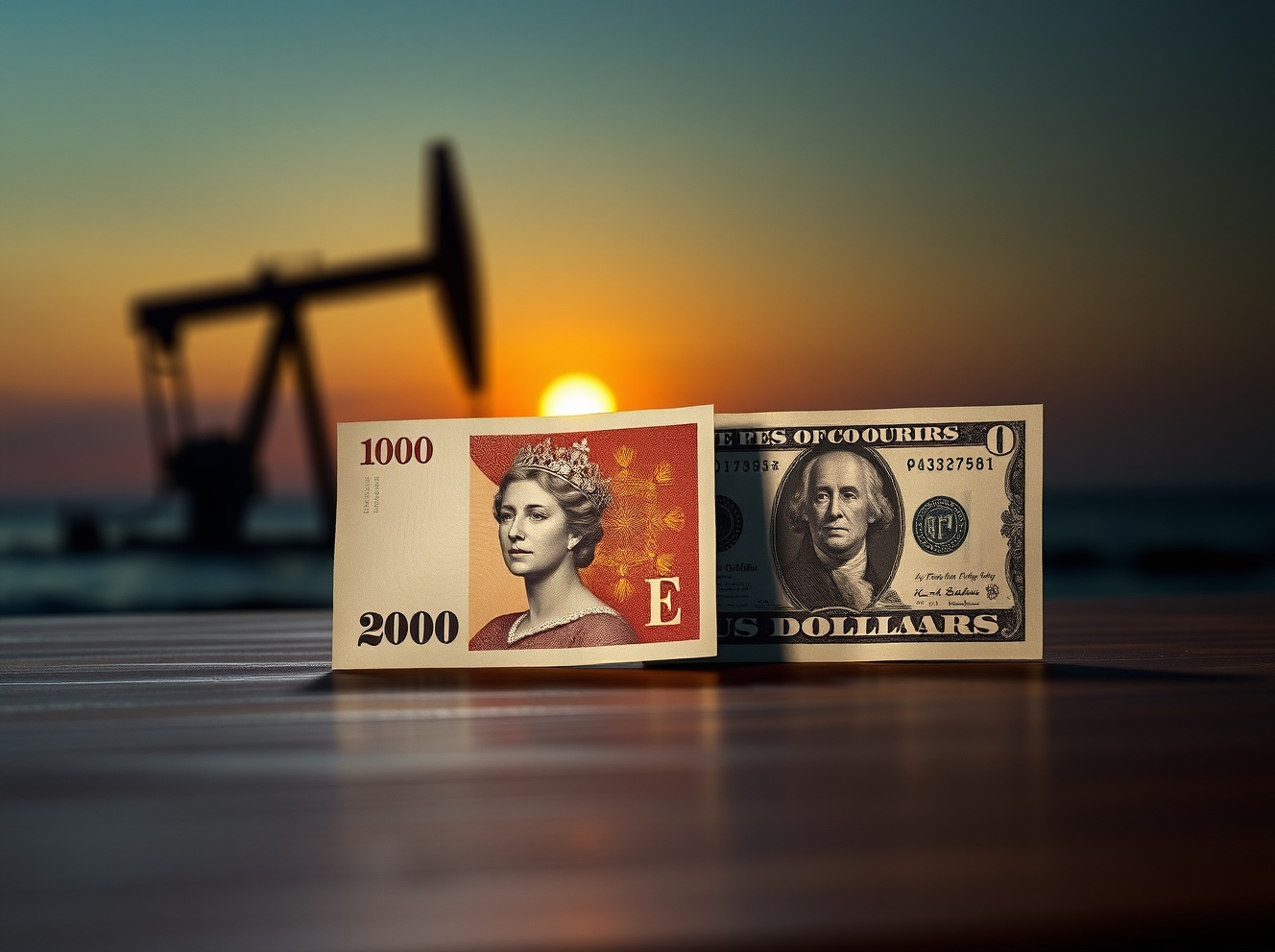
Oil Prices Whipsawed by US-Iran Deal Uncertainty, ING Reports
Share:
ING says crude oil markets saw whipsaw price swings this week as US-Iran nuclear deal uncertainty drove Brent to oscillate by several dollars while markets priced a potential Iranian supply boost of about 500,000–1,000,000 barrels per day. That geopolitical volatility raises macro risk for risk assets and can spill into crypto markets, increasing margin-call and liquidity pressures on CEXs and DEXs and prompting tighter risk management across DeFi and token markets.
Predictions Markets
See what traders are focused on

BitcoinWorld
Oil Prices Whipsawed by US-Iran Deal Uncertainty, ING Reports
Crude oil markets experienced sharp price swings this week as traders reacted to conflicting signals surrounding the potential revival of the US-Iran nuclear deal. According to a recent analysis by ING, the uncertainty has created a ‘whipsaw’ effect, with prices moving rapidly in both directions as market participants attempt to price in the likelihood of new Iranian oil supplies entering the global market.
The Core of the Volatility
At the heart of the market turbulence is the ongoing negotiation between the United States and Iran over the Joint Comprehensive Plan of Action (JCPOA). Any agreement that eases sanctions on Tehran could allow Iran to resume exporting crude oil more freely, potentially adding hundreds of thousands of barrels per day to an already well-supplied market. ING strategists note that the mere prospect of such a supply increase has been enough to trigger sell-offs, while any sign of stalled talks quickly reverses the trend.
The price of Brent crude, the international benchmark, has oscillated within a range of several dollars over consecutive trading sessions. This pattern reflects a market that is highly sensitive to headline risk, where diplomatic statements or even unverified reports can move prices significantly.
Market Fundamentals vs. Geopolitical Noise
ING’s analysis underscores a disconnect between current physical market fundamentals and the speculative positioning driven by geopolitical developments. While global oil inventories remain relatively tight and demand continues to grow, the potential for a sudden influx of Iranian barrels has created a layer of uncertainty that is difficult to price.
The bank points out that even if a deal is reached, the actual ramp-up of Iranian exports would take time. However, the market’s immediate reaction tends to front-run this potential supply, leading to exaggerated price moves. This ‘buy the rumor, sell the fact’ dynamic is particularly pronounced in the current environment, where OPEC+ production policies and broader macroeconomic concerns are also in play.
Implications for Traders and Consumers
For traders, the current environment demands a focus on risk management rather than directional bets. The whipsaw action increases the likelihood of stop-loss triggers and margin calls, particularly for leveraged positions. For consumers, particularly in fuel-importing nations, the volatility introduces uncertainty in budgeting and energy planning.
The broader significance of this story lies in its demonstration of how geopolitical risk remains a primary driver of short-term oil price movements. While long-term trends are shaped by supply-demand balances and energy transition policies, the immediate path of crude prices is often dictated by events in the diplomatic sphere.
Conclusion
The US-Iran nuclear deal remains a pivotal variable for oil markets in the near term. Until a clear outcome emerges, analysts expect continued volatility. ING’s assessment highlights the need for market participants to look beyond daily headlines and focus on the actual timeline and scale of potential supply changes. For now, the whipsaw is likely to persist, testing the discipline of traders and the patience of policymakers.
FAQs
Q1: Why does the US-Iran deal affect oil prices?
A: If sanctions on Iran are lifted, the country can export more crude oil, increasing global supply. Markets anticipate this potential increase, causing prices to fall on deal optimism and rise on deal pessimism.
Q2: How much oil could Iran add to the market?
A: Estimates vary, but Iran could potentially add 500,000 to 1 million barrels per day within months of sanctions relief, which is significant enough to impact global balances.
Q3: Is this volatility unusual?
A: Whipsaw movements are common during periods of high geopolitical uncertainty, especially when a binary outcome (deal or no deal) is being priced in by speculative traders. The current environment is consistent with historical patterns around major diplomatic negotiations.
This post Oil Prices Whipsawed by US-Iran Deal Uncertainty, ING Reports first appeared on BitcoinWorld.


Read More

Euro Slips as Fed’s Waller Warning and Iran Strikes Propel US Dollar