U.S., Japan Step In to Fight Yen Collapse for First Time Since 1998
Share:
The United States and Japan conducted a rare coordinated FX intervention—the first since 1998—reportedly spending about $34 billion to support the yen after it fell past ¥163 per dollar and rebounded toward ¥155 while the BOJ held rates at 1% but signaled further hikes may be possible. The action reduced immediate yen volatility but may not reverse broader trends, and analysts warn shifting rate and FX dynamics could reshape capital flows and risk appetite with neutral-to-negative market impact on crypto, DeFi activity, CEX/DEX liquidity, funding and dollar-linked token performance.
Predictions Markets
See what traders are focused on

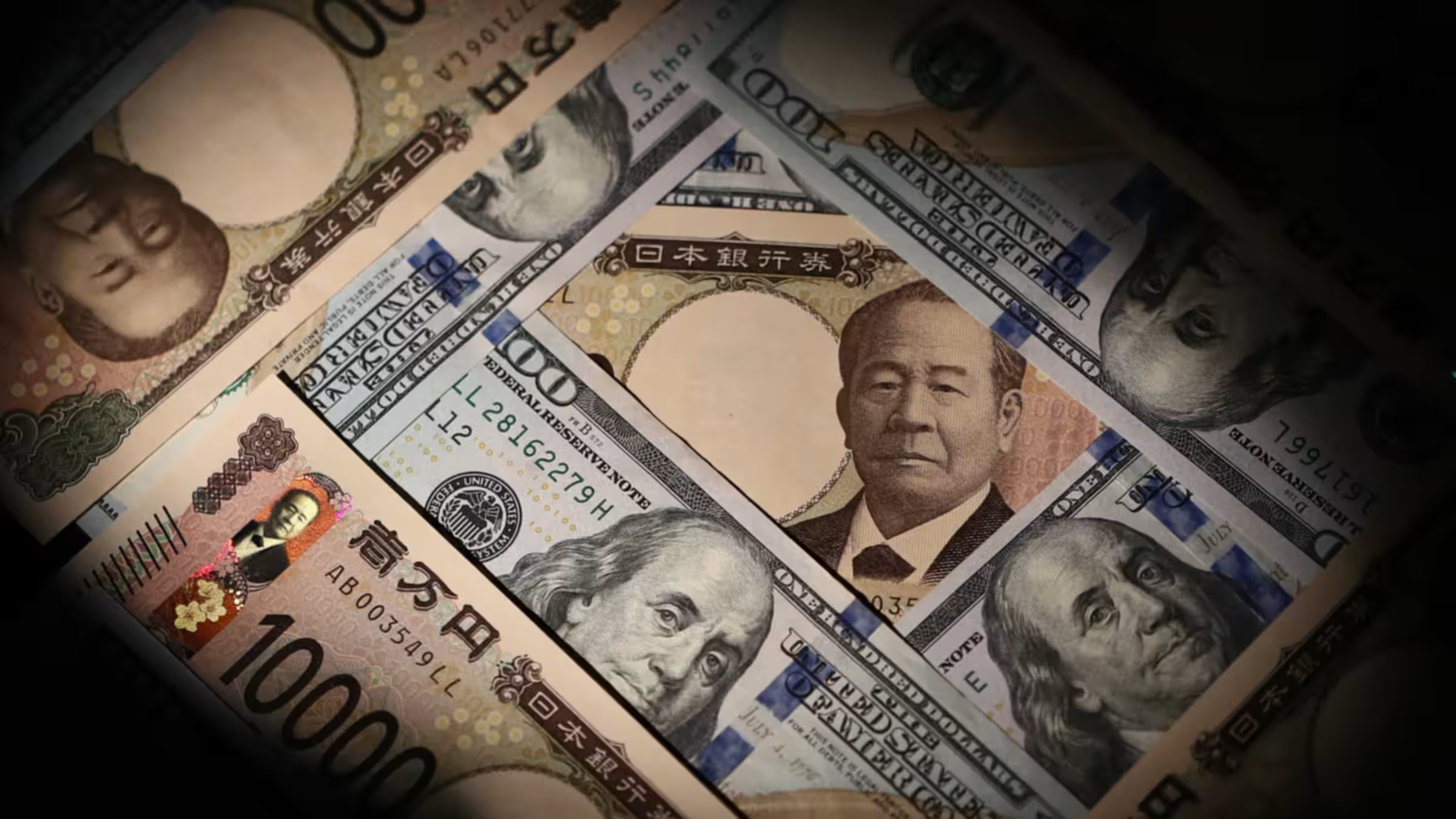
The United States and Japan have carried out a rare joint foreign exchange intervention to support the yen after the currency fell near a 40-year low against the dollar.
U.S. and Japan Confirm Yen InterventionPresident Donald Trump confirmed that the U.S. Treasury helped Japan stabilize the yen last week. The move marked the first coordinated U.S.-Japan action to strengthen the currency since 1998.
Japan’s finance minister Satsuki Katayama said the action targeted “excessive volatility and disorderly movements” in the yen. The currency had weakened beyond 163 per dollar before rebounding toward 155 after the intervention.
Trump said the move was made “to support the Japanese currency” because the United States has a strong relationship with Japan. He also called the intervention a “signal of friendship” with Tokyo.
Treasury Secretary Scott Bessent said Friday’s coordinated foreign exchange action “countered disorderly yen movements.” He added, “We will not hesitate to participate in further joint intervention.”
Yen Weakness Raises Pressure on JapanThe yen has weakened sharply this year as investors weighed Japan’s fiscal spending, energy import costs, and wide interest-rate gaps with the United States. A stronger dollar has also pressured several Asian currencies.
Japan reportedly spent about $34 billion last week to support the yen. The currency later erased around three months of losses after the joint action, although analysts said intervention alone may not reverse the broader trend.
A weak yen helps Japanese exporters by making their goods cheaper overseas. However, the same weakness raises import costs, especially for energy priced in dollars.
Higher energy bills have added pressure on households and companies. The yen’s decline has also complicated Japan’s inflation outlook as the Bank of Japan considers further rate increases.
Source: X
Bessent said the U.S. strongly supports Japan’s market and monetary steps to address the yen’s “substantial undervaluation.” He also said the FIMA Repo Facility remains an important backstop and should be upsized.
BOJ Policy and Market Risks Stay in FocusThe intervention came around the Bank of Japan’s latest policy meeting. The central bank kept interest rates unchanged at 1%, while signaling that more rate hikes remain possible.
Japan’s central bank raised rates in June after years of ultralow borrowing costs. Many analysts expect another hike before year-end if inflation and yen weakness persist.
Higher Japanese rates could reduce pressure on the yen by narrowing the gap with U.S. rates. However, higher yields could also pull Japanese money away from U.S. Treasuries and raise U.S. borrowing costs.
Speculators have increased bearish bets against the yen, with positions near levels last seen around the global financial crisis. That positioning may keep yen pairs exposed to sharp moves if authorities intervene again.
Wells Fargo analysts said, “The intervention highlights growing official determination to defend the currency, but equally underscores the limits of relying on FX operations alone.”


Predictions Markets
See what traders are focused on
Share:
Predictions Markets
See what traders are focused on
Share:
Read More

Weekly Market Report: Amazon Jumps 17%, Apple Slides 7%, Bitcoin Falls 2%